Live event production
Vocal
Sound & Stage
Accra Since 2009 400 shows a year


What we bring
Six trucks' worth of the only kit that matters
Take the lot or take one line of it. Everything below is ours, maintained in our own workshop in Dzorwulu, and it arrives with somebody who knows how to drive it.
Sound
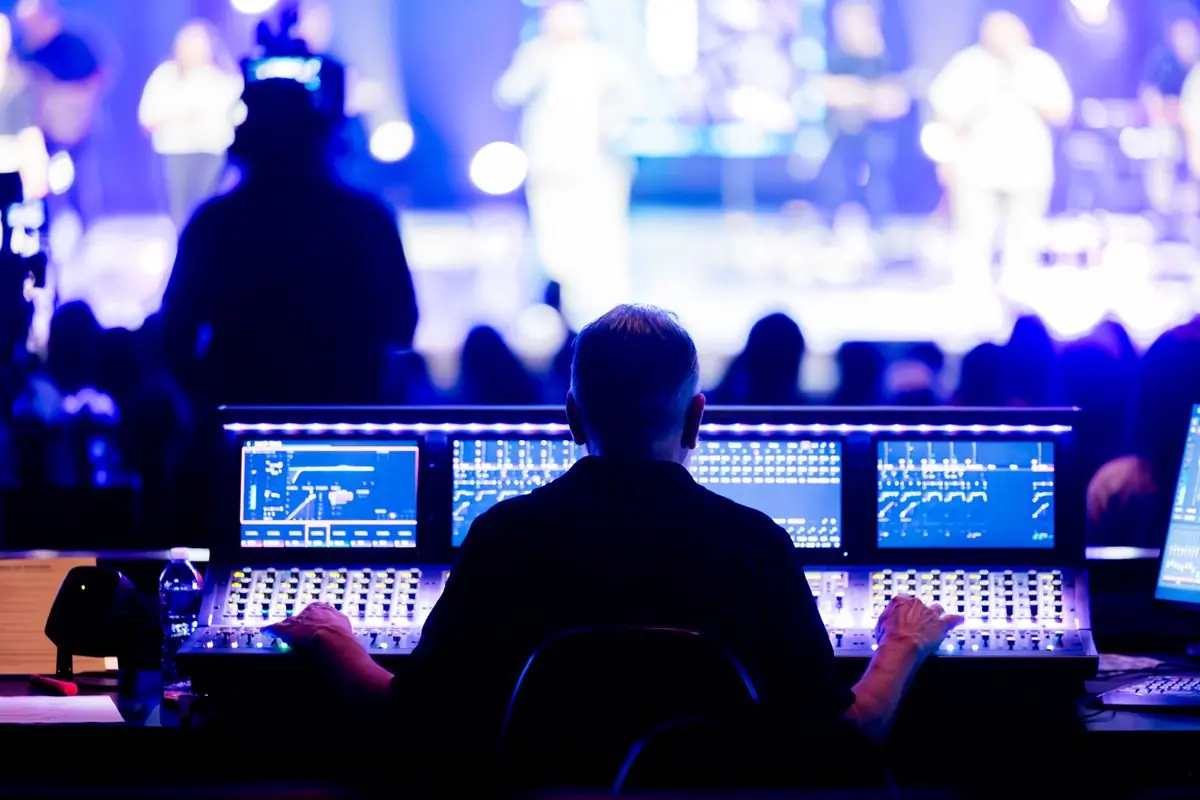
Line array, monitors, FOH and a system tech who stays for the whole show.
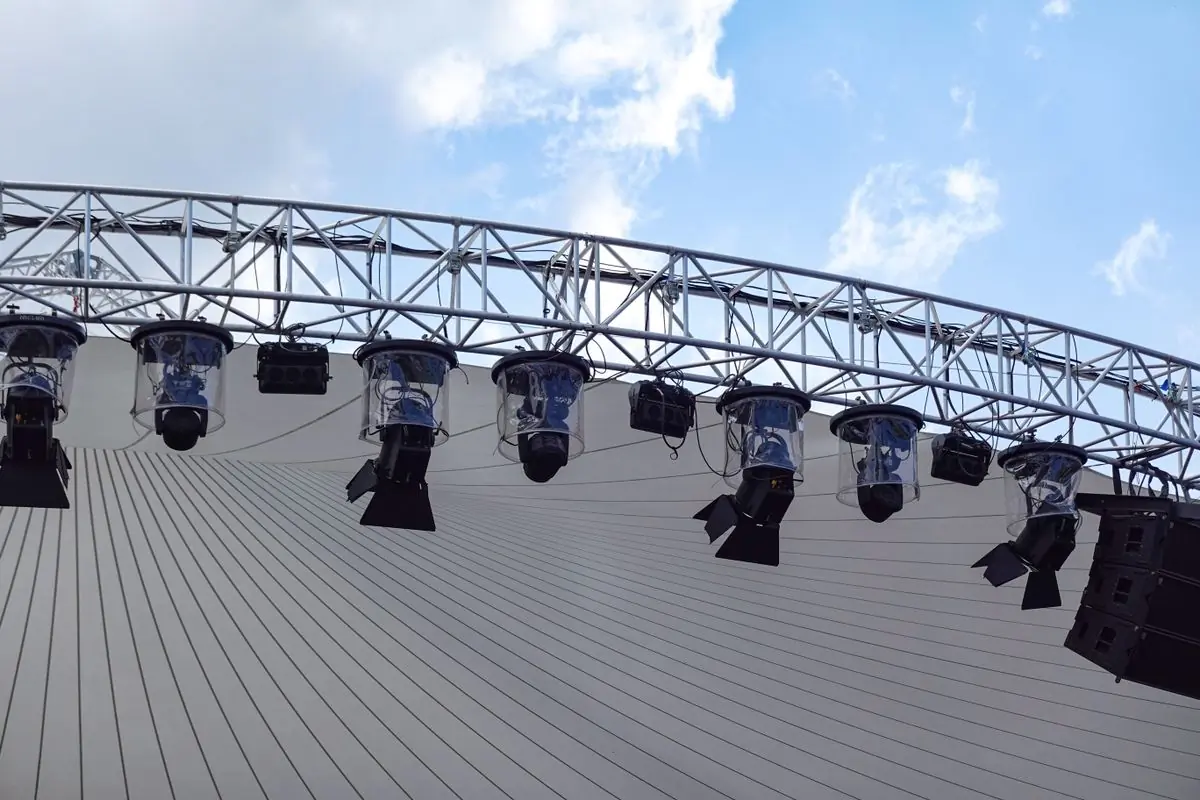
Lighting
Moving heads, wash, haze and a designer who plots the show before the truck loads.
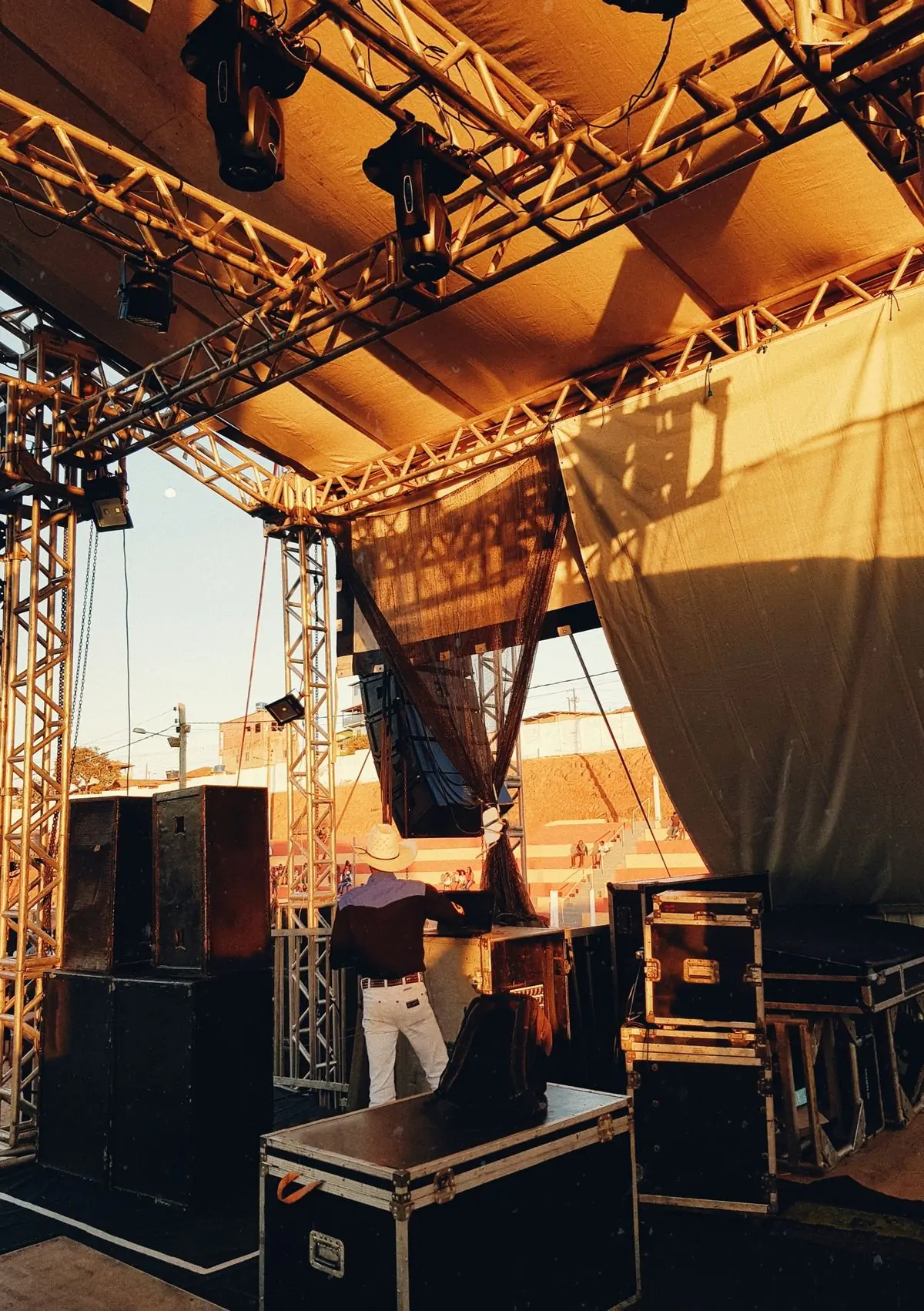
Staging
Decks, roof, barrier and ramps, built to a drawing and signed off before doors.
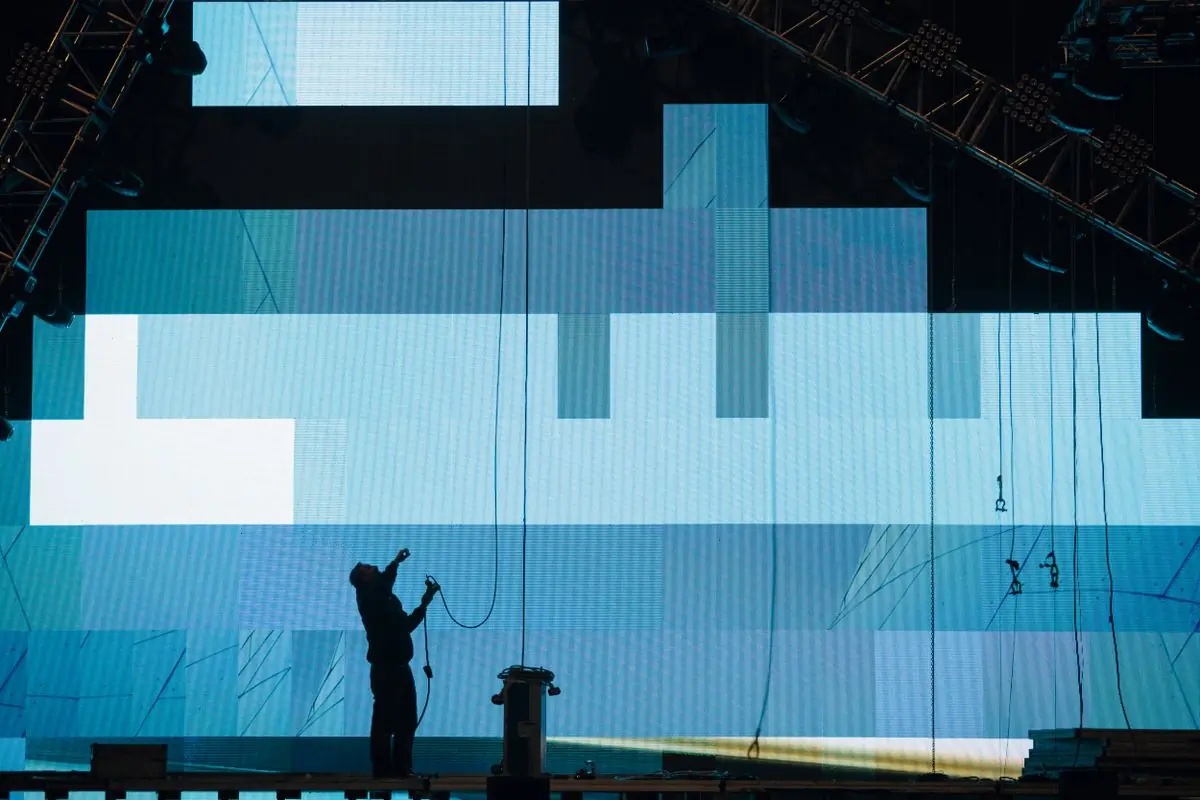
LED & video
Wall, screens, cameras and a switcher, so the back of the field sees the show too.
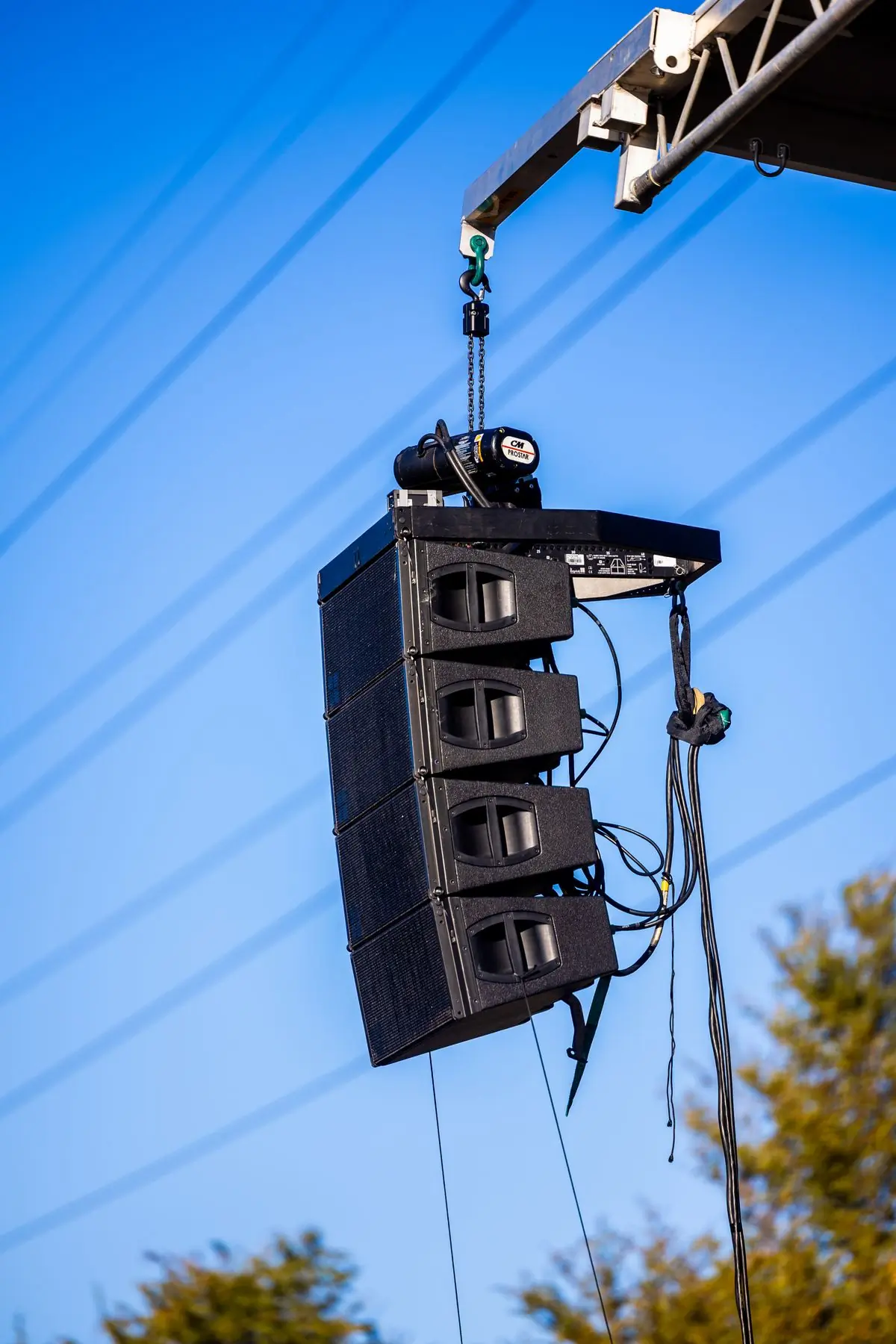
Power & rigging
Generators, distro and motors, with a second set of everything on the truck.
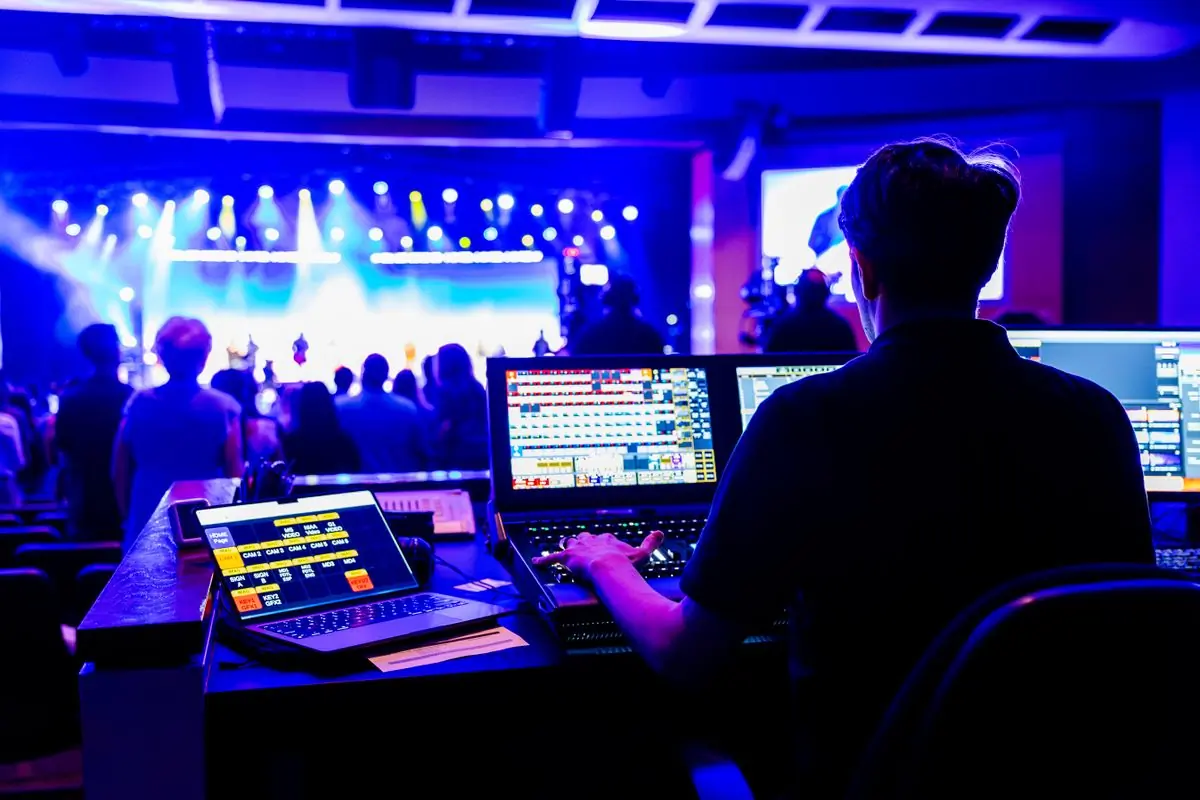
Crew
Stage managers, techs and hands who have done this before and will again next week.
The running order
Every show we take is the same three days of work in three different registers. This is what you are buying, and it is what we cost.
Before
The plan
Power, access, noise limits
Coverage plot and rig plan
Trucks, crew calls, timings
Showday
The build
In at dawn, focused by noon
Every input, every wedge
One voice on the comms
After
The strike
Site clear before sunrise
What broke, what we replaced
Yours to keep, for next year
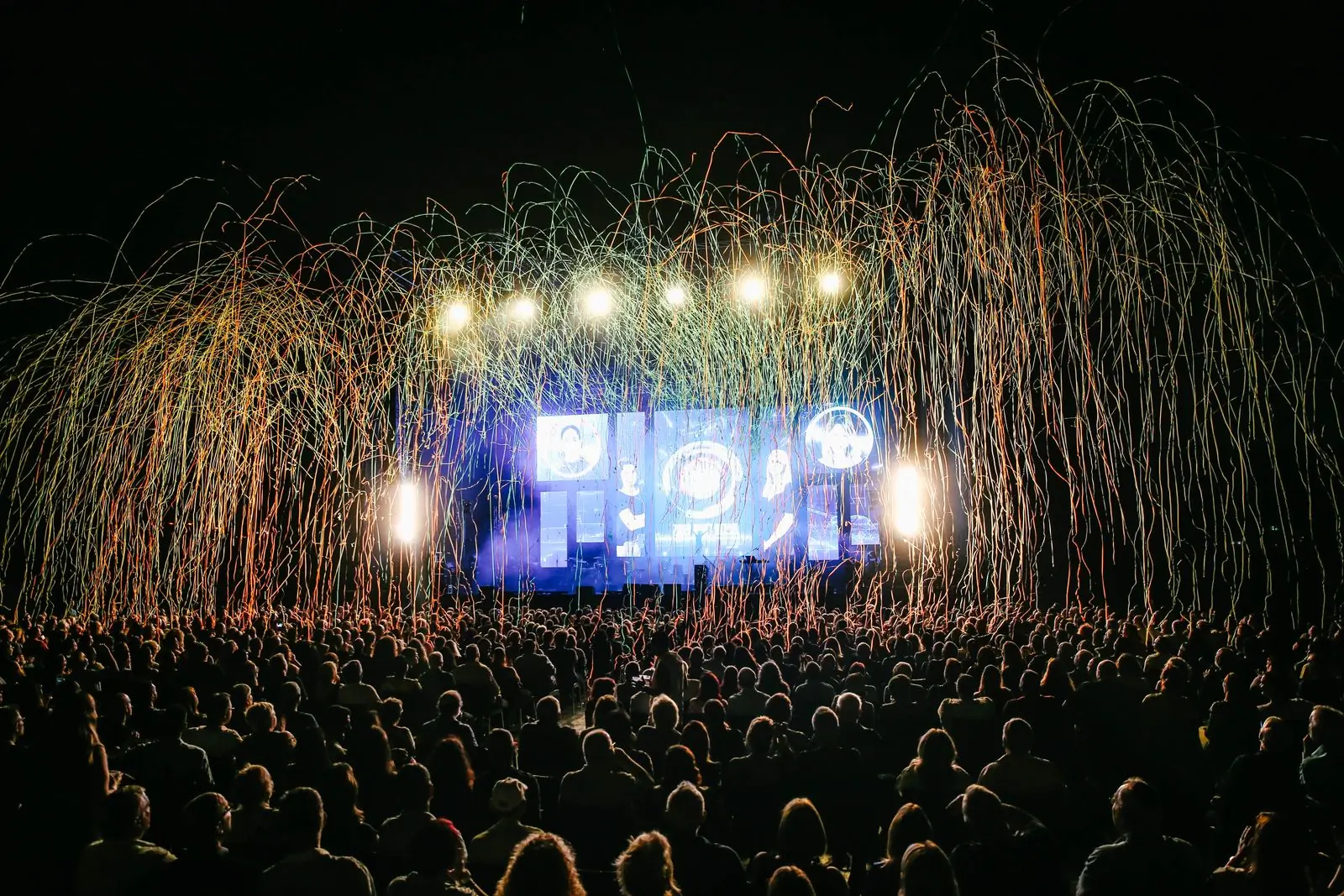
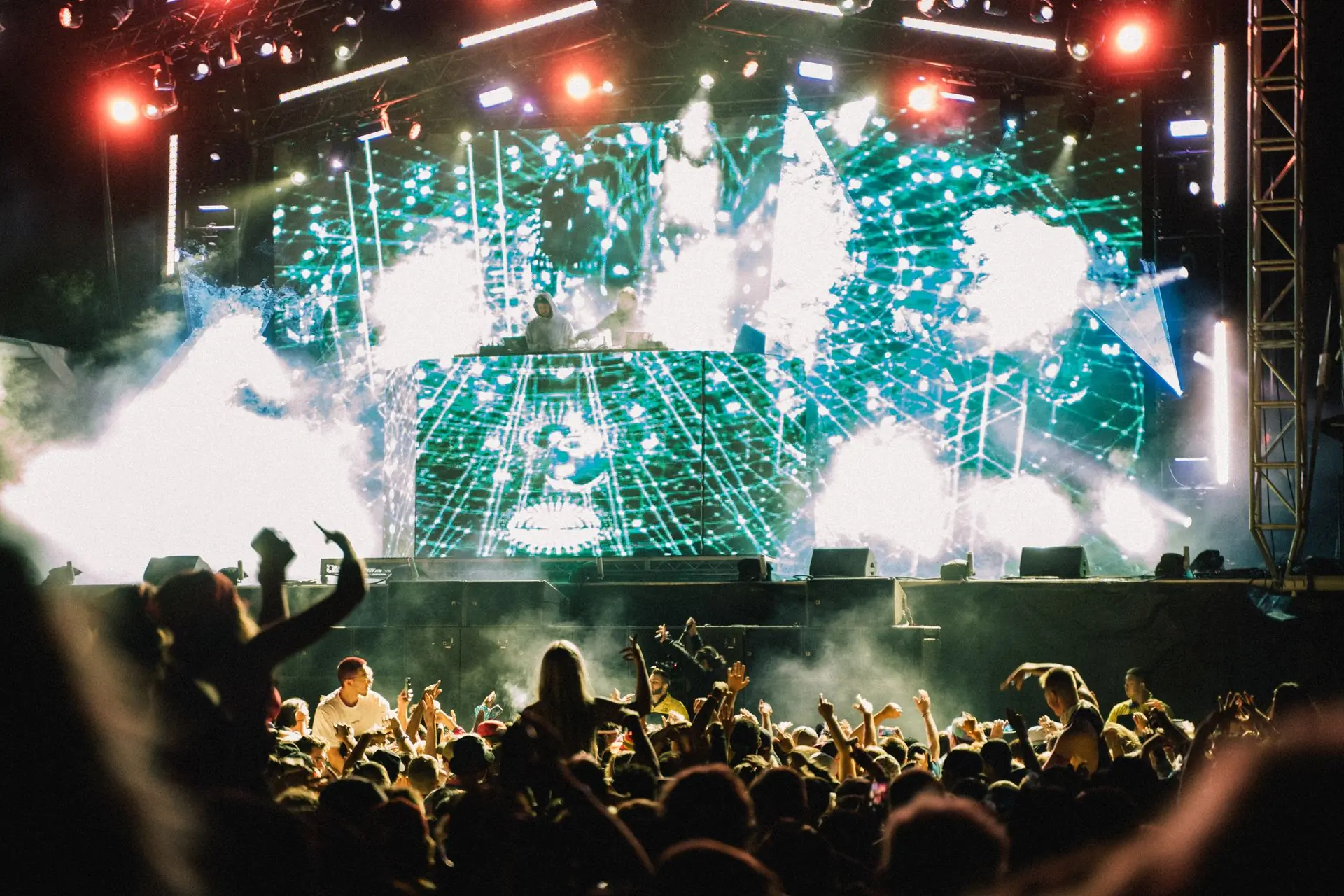
400 shows a year, nine trucks, no dark stages.
Shows a year, from club nights to main stages
Years on the road, since the first Ada beach party
Crew on the book, trained and carded
Of PA and lighting load we can put on one site
book us
What they say after
Three nights on a beach with a generator, a spring tide and eleven thousand people, and not one minute of the programme moved. They had a plan for the sand before I knew sand was a problem.
Festival director, Ada Beach Sessions
Asked often
Six things people ring to ask
How far ahead should we book you?
Six weeks for a festival, two for a corporate show, and we keep one rig free every weekend for the call that comes in on Thursday. December is gone by September — that is not a sales line, it is just what the diary does.
Do you work outside Accra?
Anywhere in Ghana, and we have taken the small rig to Lomé and Abidjan. Beyond about three hours from Dzorwulu we build a night of travel into the schedule rather than asking a crew to drive at four in the morning and then rig.
What happens when the power goes?
Nothing, because we never take the grid as the plan. Every outdoor show gets a generator sized for the whole load and a second one on automatic changeover for the console, the comms and the emergency lighting.
Can you meet an artist's rider?
Send it. We will come back within a day with a line-by-line answer: what we hold, what we hire in, and where we would suggest a substitution and why. We would rather argue about a wedge in week one than at line check.
Do you supply crew as well as kit?
Both, and we would rather not split them. Everything on the truck arrives with somebody who has driven it before. If you already have a stage manager we will work to them and put our own on comms beside them.
What is actually in the quote?
Kit, crew, transport, generator fuel and the strike. Not in it: the venue, the artists, catering and anything you add after we have loaded. If the number changes you will hear it from us before it reaches an invoice.
From the workshop
Things worth knowing before you book anyone
Production
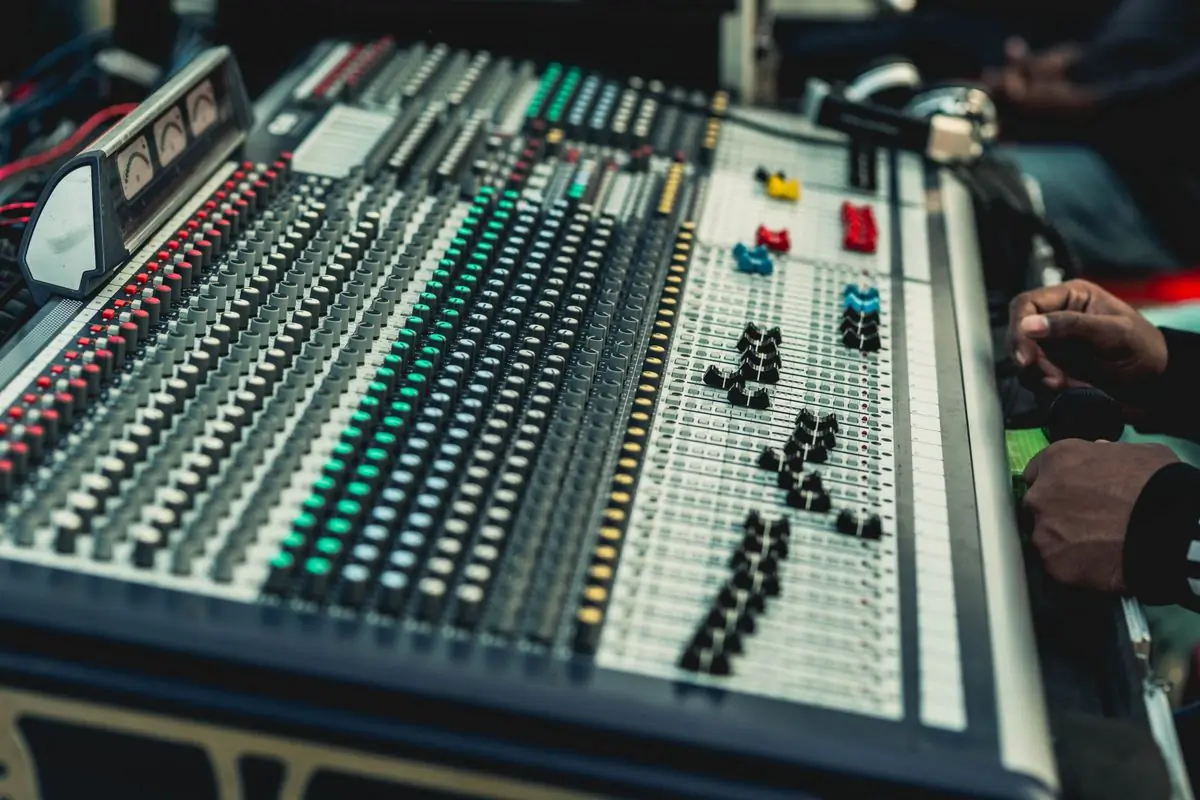
How to read a rider without panicking
Most of a technical rider is a wish list with a legal department behind it. Here is the part that actually matters, and the three lines worth arguing about.
Power
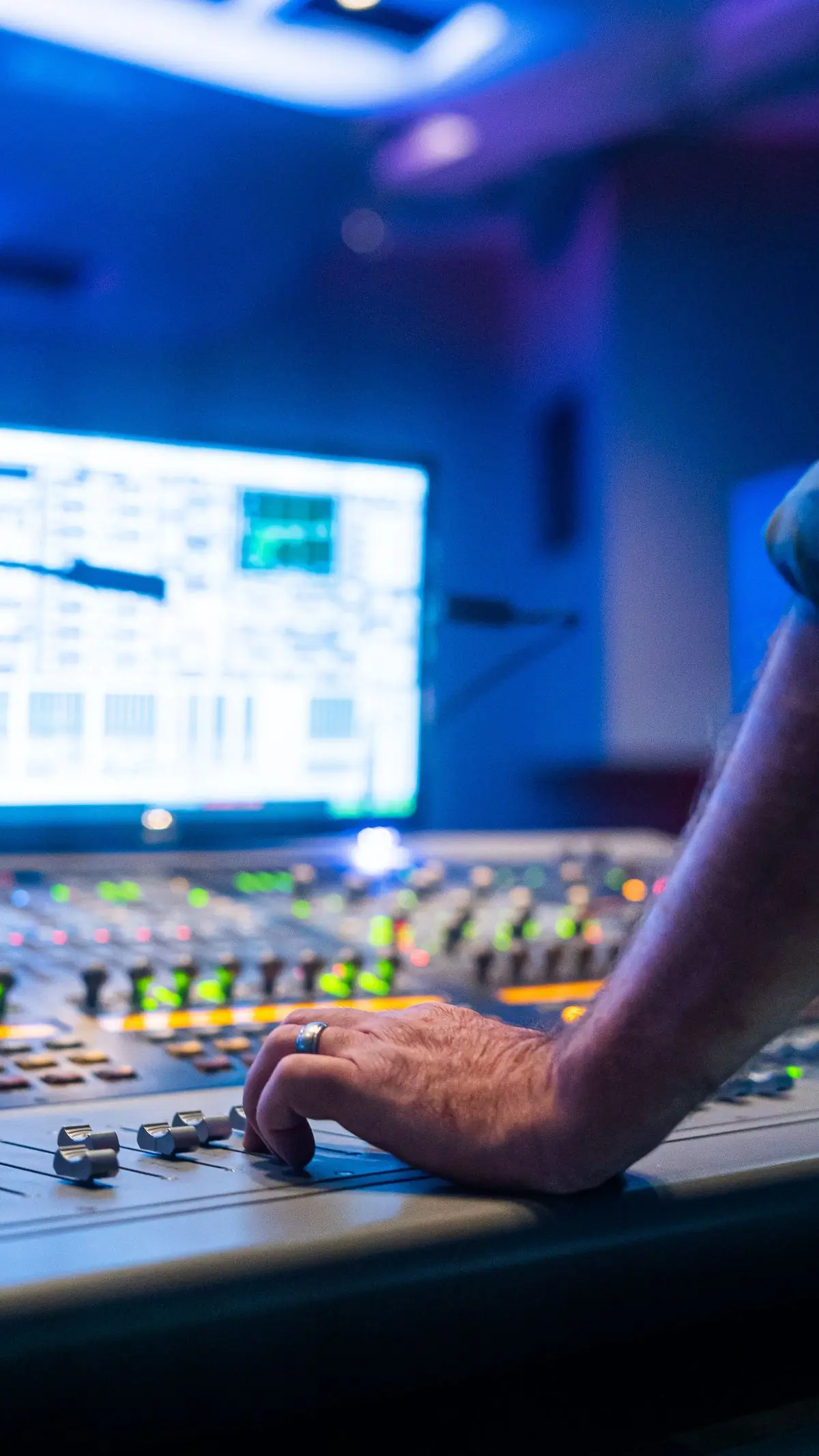
Why your outdoor stage needs two generators
One generator is a single point of failure with a fuel tank. The second one costs less than you think and it is the difference between a pause and a cancelled show.
A durbar is not a concert
Next show
Tell us the date and we will tell you what it takes
A quote inside two working days, with the kit list, the crew call and the number that will appear on the invoice.
