SOLAR FOR ACCRA · SINCE 2014
Power that stays on
Shine designs, installs and looks after rooftop solar across Greater Accra. We survey your roof, size the system to the way your household actually uses power, and hand you a written yield before anything is bolted down. Panels, inverter, batteries and the certificate ECG asks for — one crew, one price, one number to ring afterwards.
Book a roof survey14 Nii Nortei Nyanchi Street
Dzorwulu, Accra
WHAT WE DO
Light is the one input in Ghana nobody has to import
Accra gets about five and a half peak sun hours a day, every day, all year. A roof in Dzorwulu or Spintex is already receiving more energy in a morning than the house under it uses in a week — the only question is whether any of it is being collected. We answer that question with a survey, a shading study and a yield figure in kilowatt-hours, and if the numbers do not work on your roof we say so before you have paid us anything.

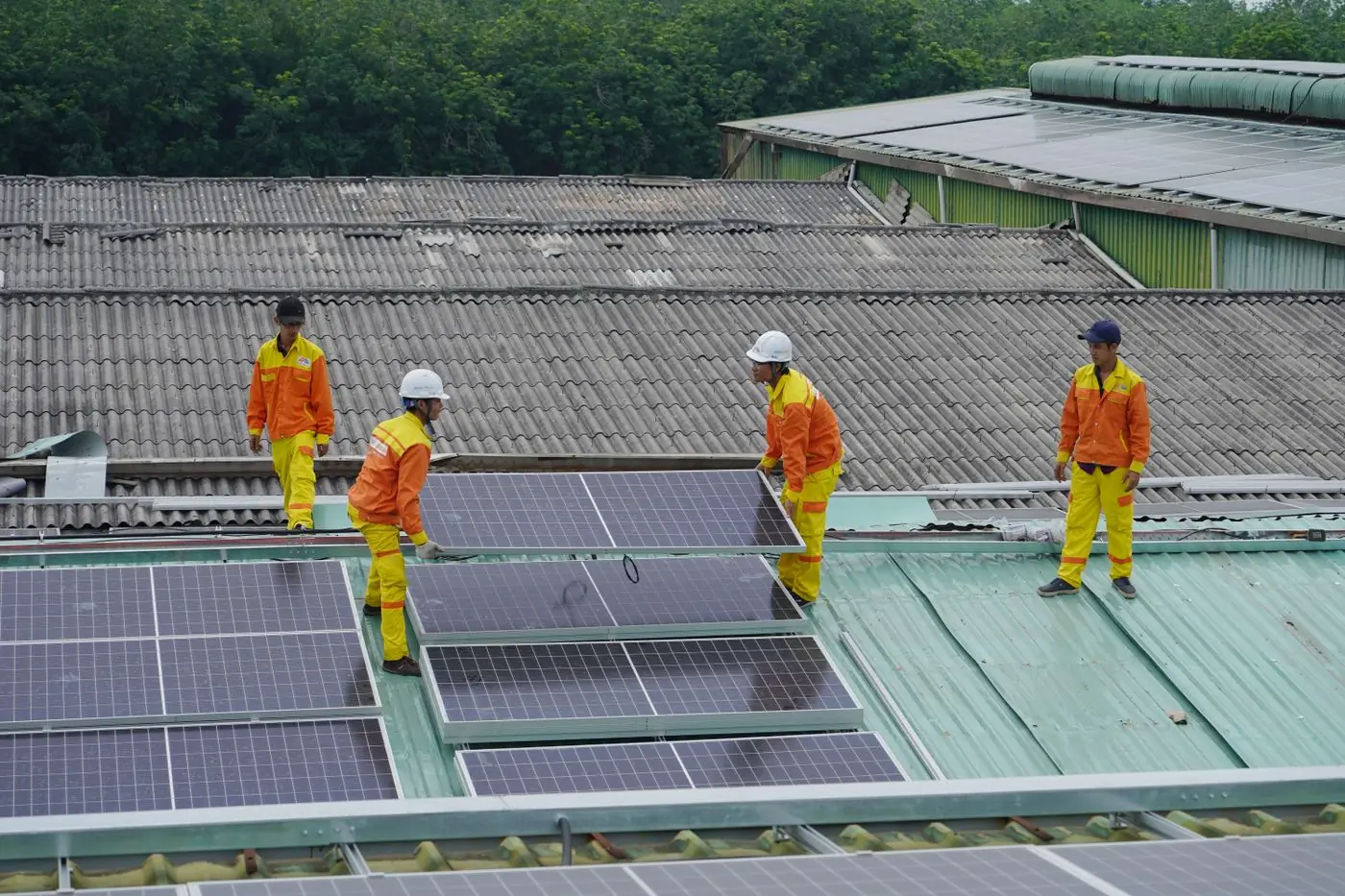
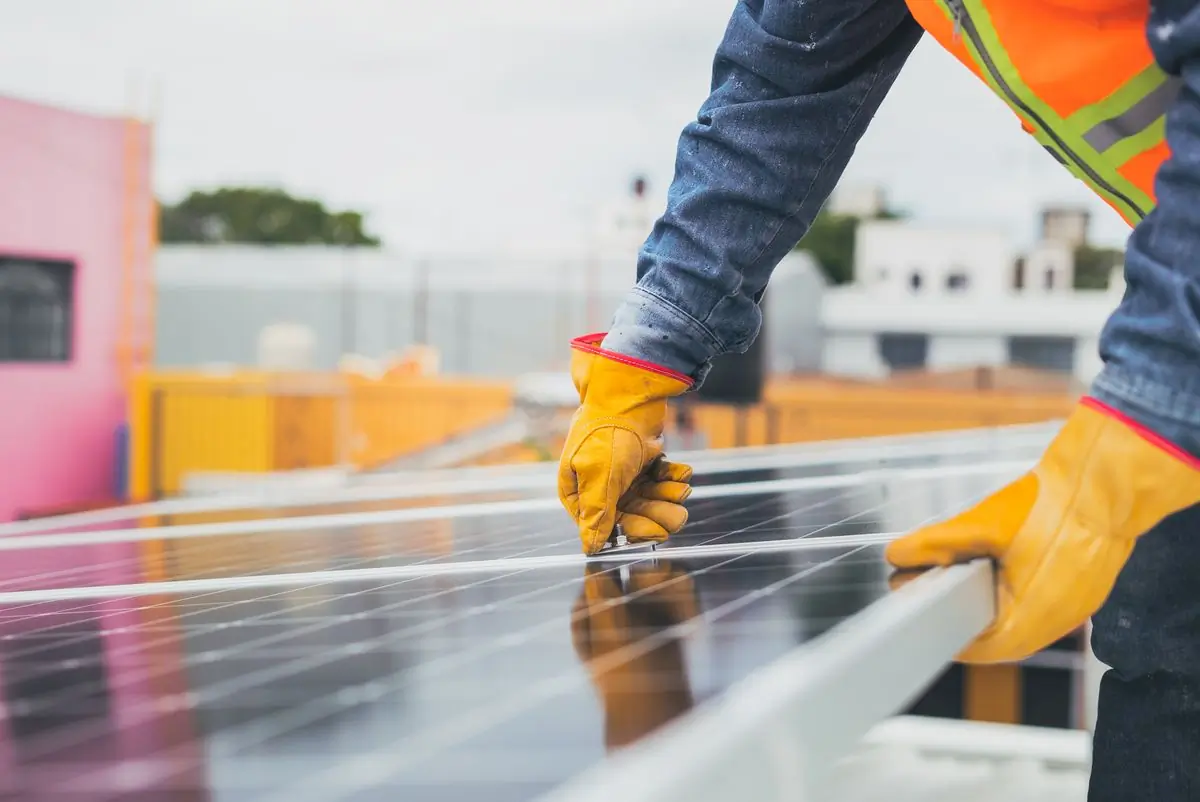
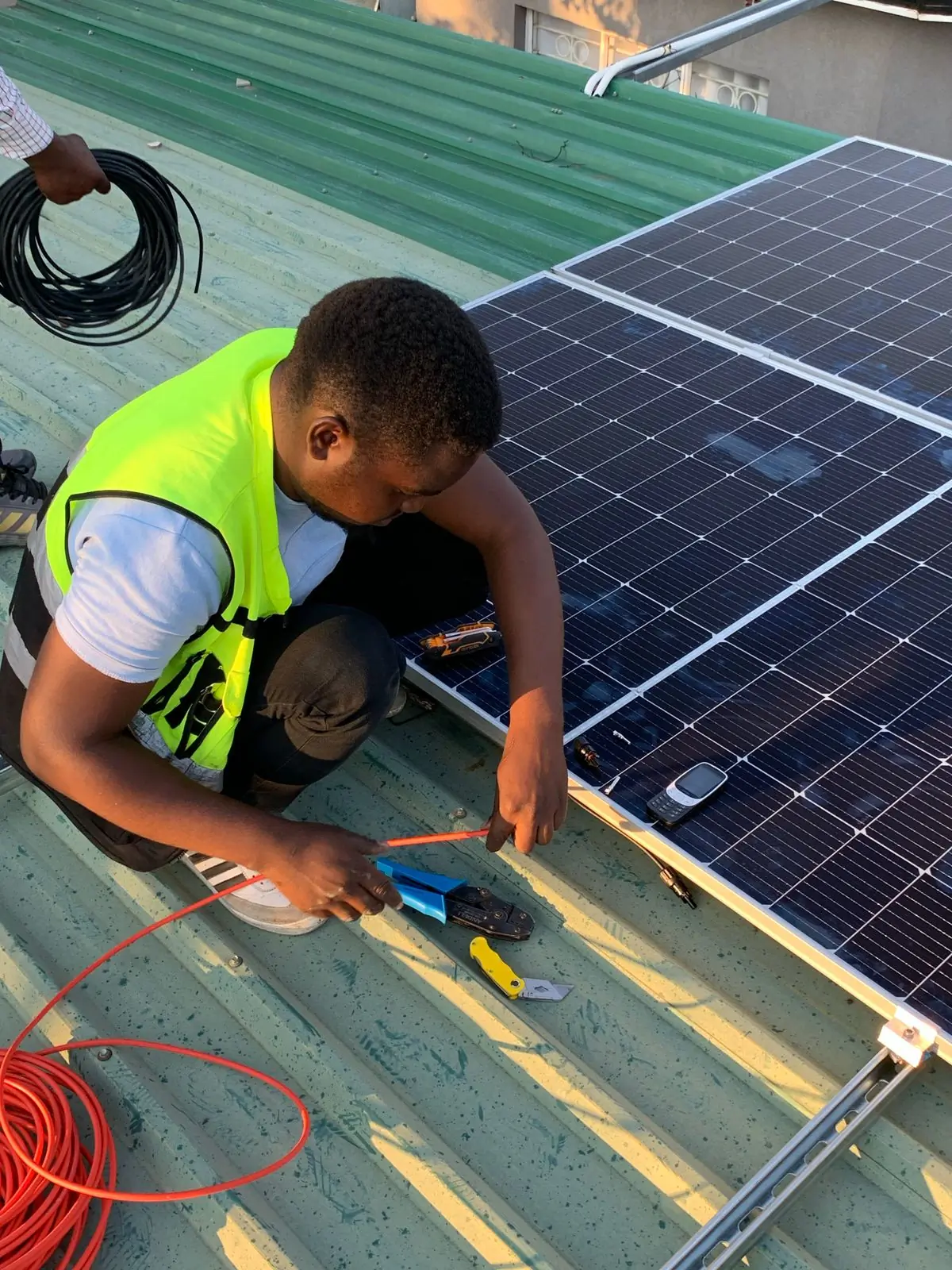
A four-panel extension going onto a shop roof in Osu — two hours on site, no drilling through the sheet.
640
Roofs surveyed across Greater Accra
3.4
MWp
Installed and generating today
12
yrs
On the same roofs, still servicing them
24
hrs
From a fault call to a technician on site
WHAT WE INSTALL
Four systems, and we will tell you which one your roof is
There is no configurator and no package with a name. A surveyor comes, measures the roof and the last six bills, and recommends the smallest thing that solves the problem — which is often not the biggest thing we sell.
Home backup
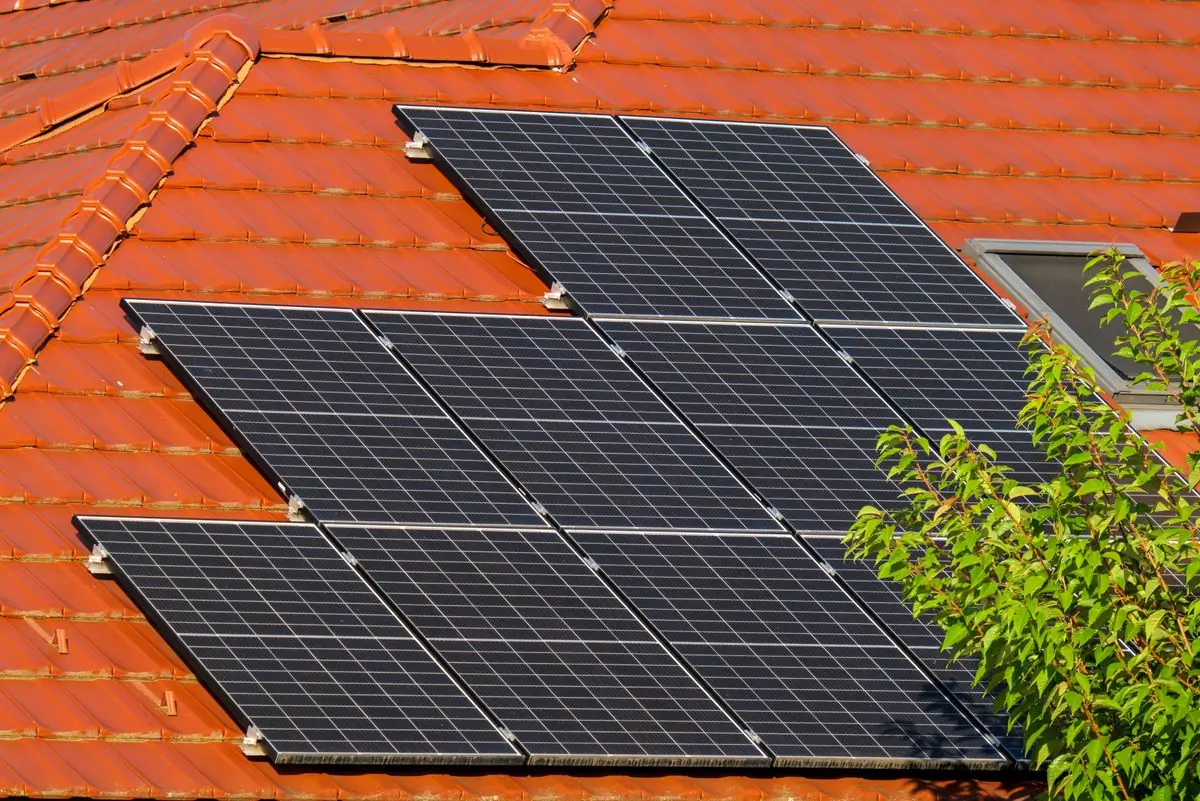
3–6 kWp · 5–10 kWh storage
Panels and a battery sized to carry the fridge, the fans, the lights and the router straight through a cut. The grid stays connected; you simply stop noticing when it goes.
Full off-grid
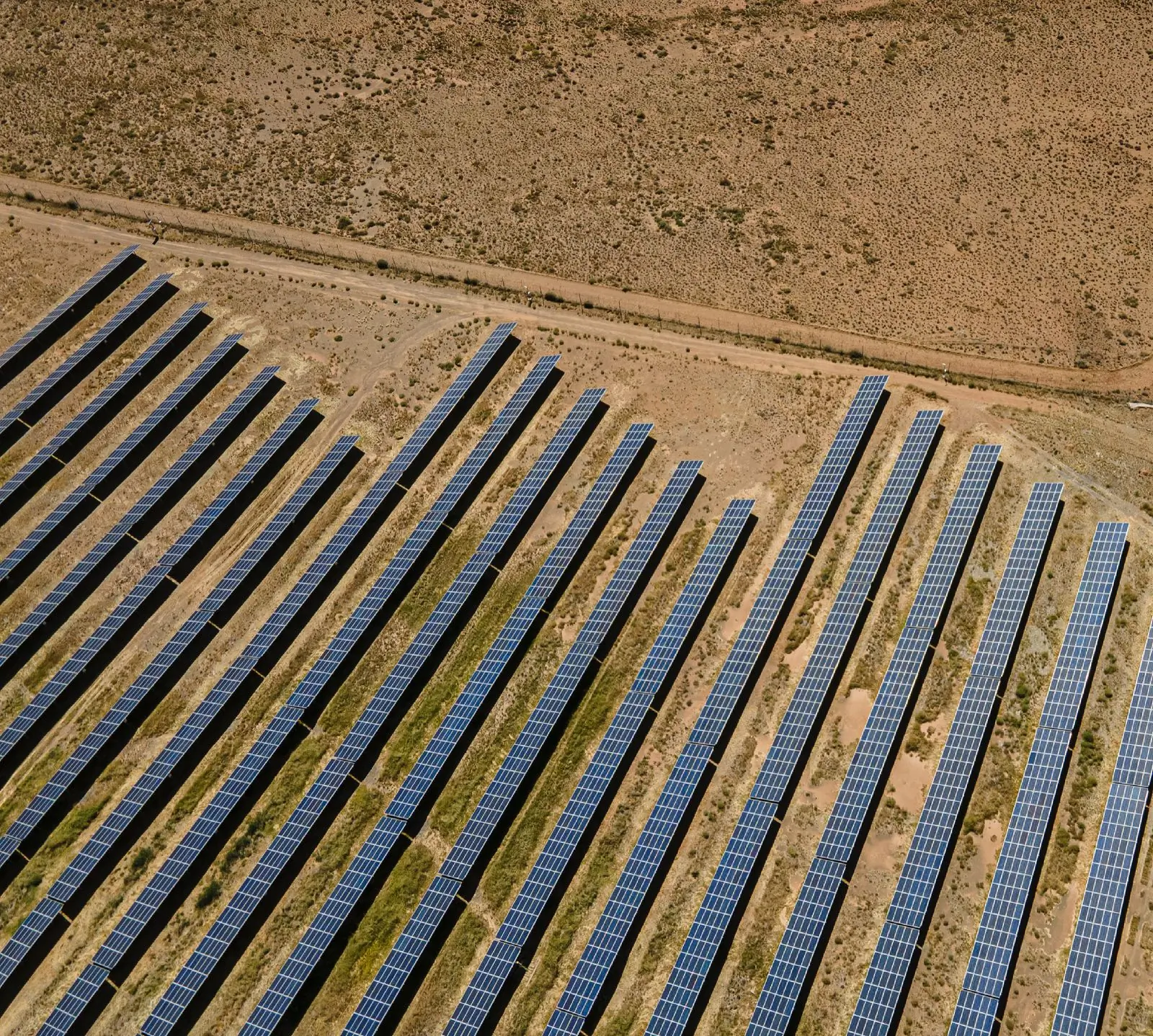
8–20 kWp · 20–40 kWh storage
For sites where the pole is a kilometre away and the generator has become the electricity bill. Enough array and enough storage to run a household or a farm with no meter at all.
Commercial rooftop
20–250 kWp · grid-tied
Warehouses, clinics, schools and cold rooms, where the load runs in daylight and the array pays for itself against the tariff rather than against a battery.
Service and cleaning
Twice yearly · any installer's system
Harmattan dust costs a dirty array a fifth of its output. Two visits a year, a wash, a torque check, a thermal scan of every string and a report you can actually read.
HOW WE WORK
Three promises we put in writing
Solar in Ghana has an honesty problem, and it is not usually about the panels. It is about what was promised on the phone and never written down.
A yield figure before a deposit
Every quote carries the modelled output of YOUR roof in kilowatt-hours a month, with the shading measured rather than assumed. If we are more than ten per cent under it in year one, we add panels at our cost.
Our own crew, never a subcontractor
The five people who install your system are on our payroll and hold Energy Commission certification. Nobody is sent to your roof whose name we cannot tell you the day before.
The paperwork is ours to chase
Net-metering application, ECG inspection, the certificate, the warranty registrations. You sign twice; we queue for everything else.
THE ORDER OF THINGS
Survey, design, install, and then twelve years of us
The whole sequence, with the days it actually takes. Nothing here is a range that means 'we do not know'.
01
The roof survey
Within 3 working days
Ninety minutes on site. We measure the roof, check the sheet or the tiles will take the load, log the shading hour by hour and photograph the distribution board. Free, and yours to keep whether or not you use us.
02
The design and the number
4 days after the survey
A single-line drawing, a panel layout, a modelled monthly yield and one price with nothing under a line marked 'contingency'. If a battery is not worth it for you, the design says so.
03
Installation
1–3 days on site
One to three days for a home, longer for a commercial roof. Rails, panels, DC run, inverter, batteries, changeover and labelling — and the roof swept before we leave it.
04
Handover and after
Twice yearly, thereafter
We walk you through the app, the isolators and what to do if the inverter beeps at 2am. Then two service visits a year, for as long as you want us on the roof.
RECENT INSTALLATIONS
Roofs we have been back to
Every one of these is still under service with us, which is the only claim about an installation worth making.
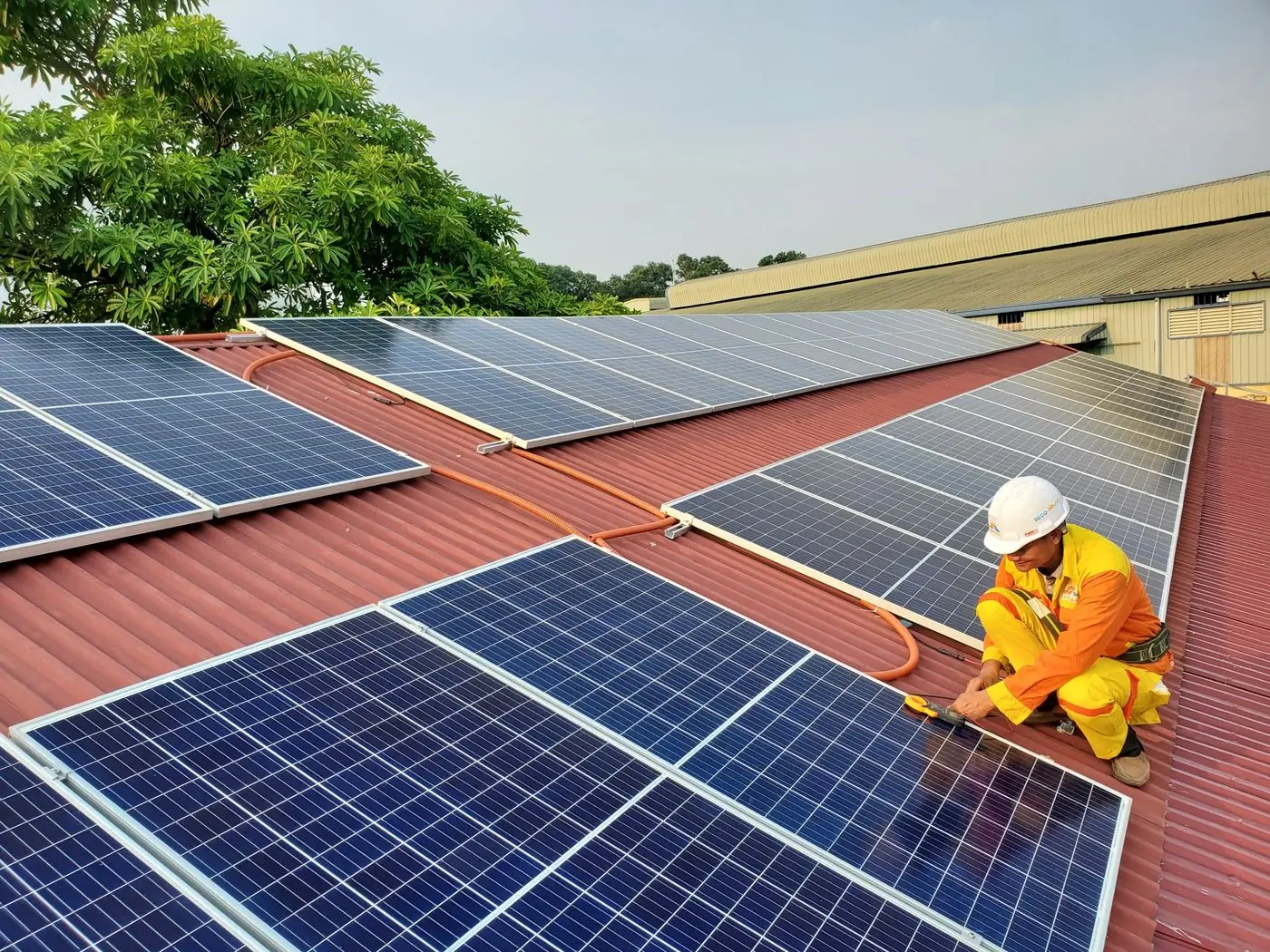
A four-bedroom in Adenta
Two fridges, a borehole pump and a home office that could not afford to blink. The generator has not been started since March.
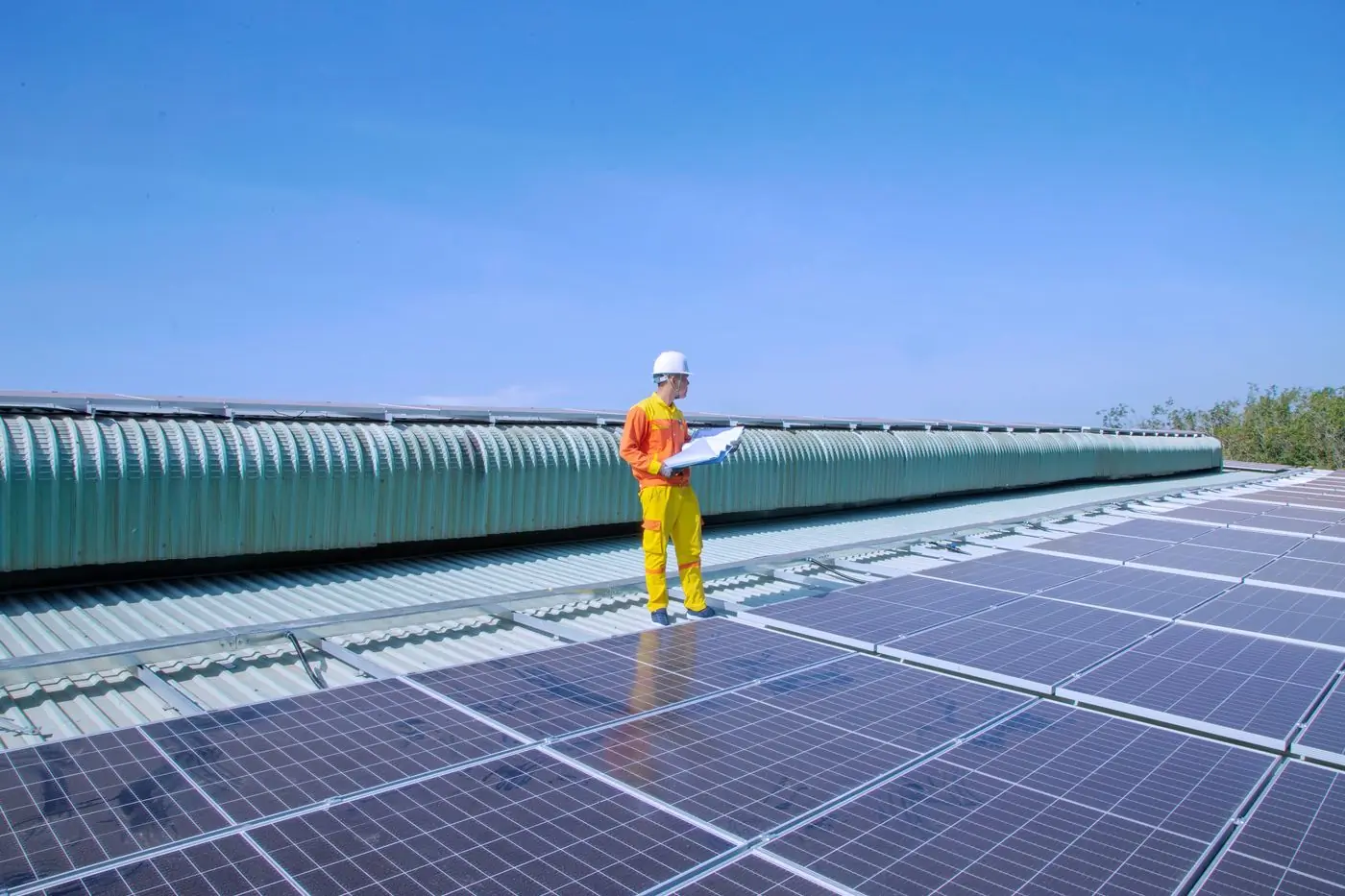
Cold store, Spintex Road
A hundred and forty panels over a warehouse whose compressors run through the middle of the day — the best possible load shape for solar and the fastest payback we have measured.
Clinic at Abokobi
A vaccine fridge, a theatre light and an oxygen concentrator that must not stop. Fully off-grid with a diesel changeover nobody has needed yet.
WHAT THEY SAY AFTERWARDS
“They talked me out of the bigger system. The surveyor looked at my bills and said eight panels would do what I wanted and twelve would just sit there. I have never had a contractor in this country sell me less than I asked for.”
Gifty Mensah
Homeowner, Adenta
QUESTIONS
The six we are asked on every survey
What does a system actually cost?
A 3 kWp home backup with 5 kWh of storage starts around GH₵ 42,000 installed; a 6 kWp with 10 kWh is around GH₵ 78,000. Commercial rooftops are quoted per kilowatt after the survey. Every price includes panels, mounting, inverter, batteries, cabling, labour, the certificate and the first year of servicing.
How long before it pays for itself?
For a household running fridges and fans through the day, five to seven years at current tariffs. For a business whose load is in daylight — a cold store, a workshop, a school — usually three to four. We give you the arithmetic with your quote rather than a slogan.
Do I have to leave ECG?
No, and most customers should not. A grid-tied system with storage uses ECG when it is there and your battery when it is not. Net metering lets you export the surplus; we file that application on your behalf.
Will it damage my roof?
We use non-penetrating clamps on standing-seam and aluzinc sheet, and gasketed hook mounts on tile. Every roof is load-checked in the survey, and if yours will not take an array we will tell you before you have paid anything.
What happens in the rainy season?
Output drops, it does not stop — a well-sized array in Accra still makes about sixty per cent of its dry-season figure through June and July. The storage is specified for those months rather than for the good ones.
What is under warranty, and for how long?
Panels twelve years on the product and twenty-five on performance, inverters five to ten depending on the make, lithium batteries ten years or the stated cycles. Our own workmanship is covered for five years, and that is the one people forget to ask about.
THE JOURNAL
What we have learned on other people's roofs
Measurements, not marketing. Everything here comes from systems we monitor.
Maintenance
What harmattan dust really costs your array
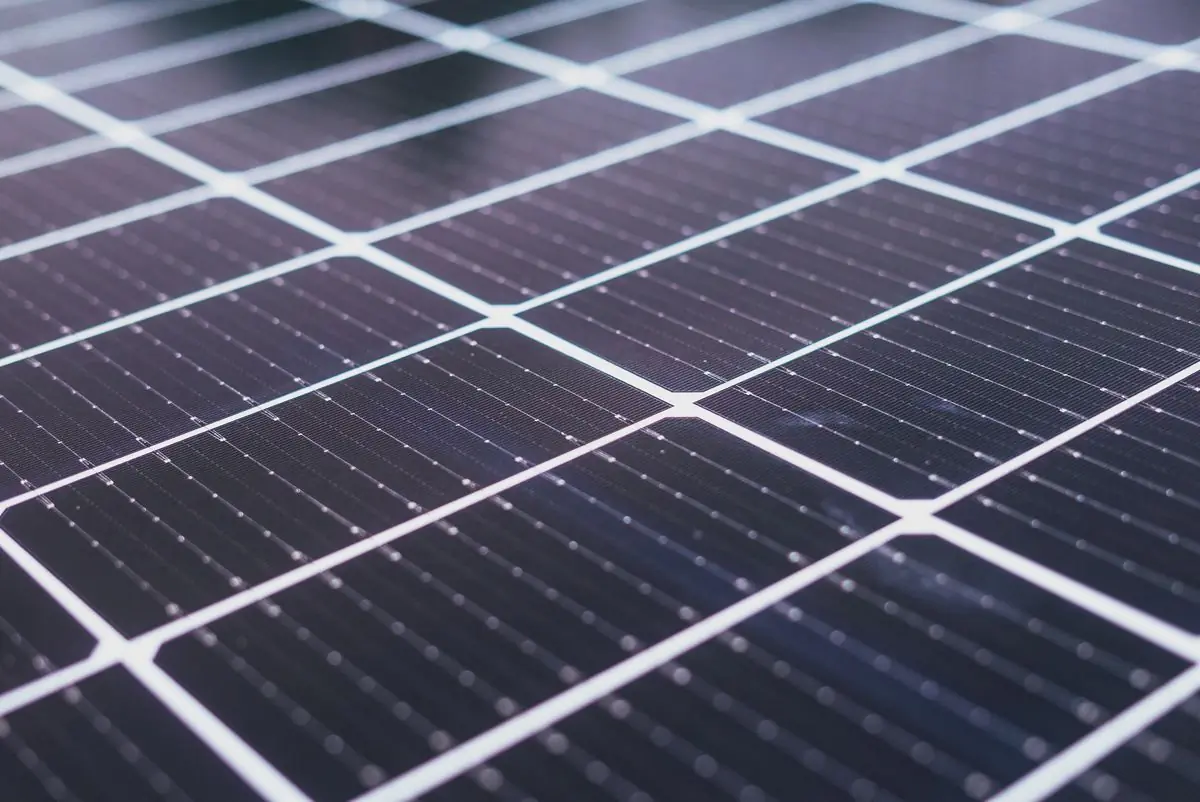
We measured the same twelve roofs before and after a wash in January. The worst had lost twenty-three per cent of its output; the best, still under trees, had lost four.
Read the guide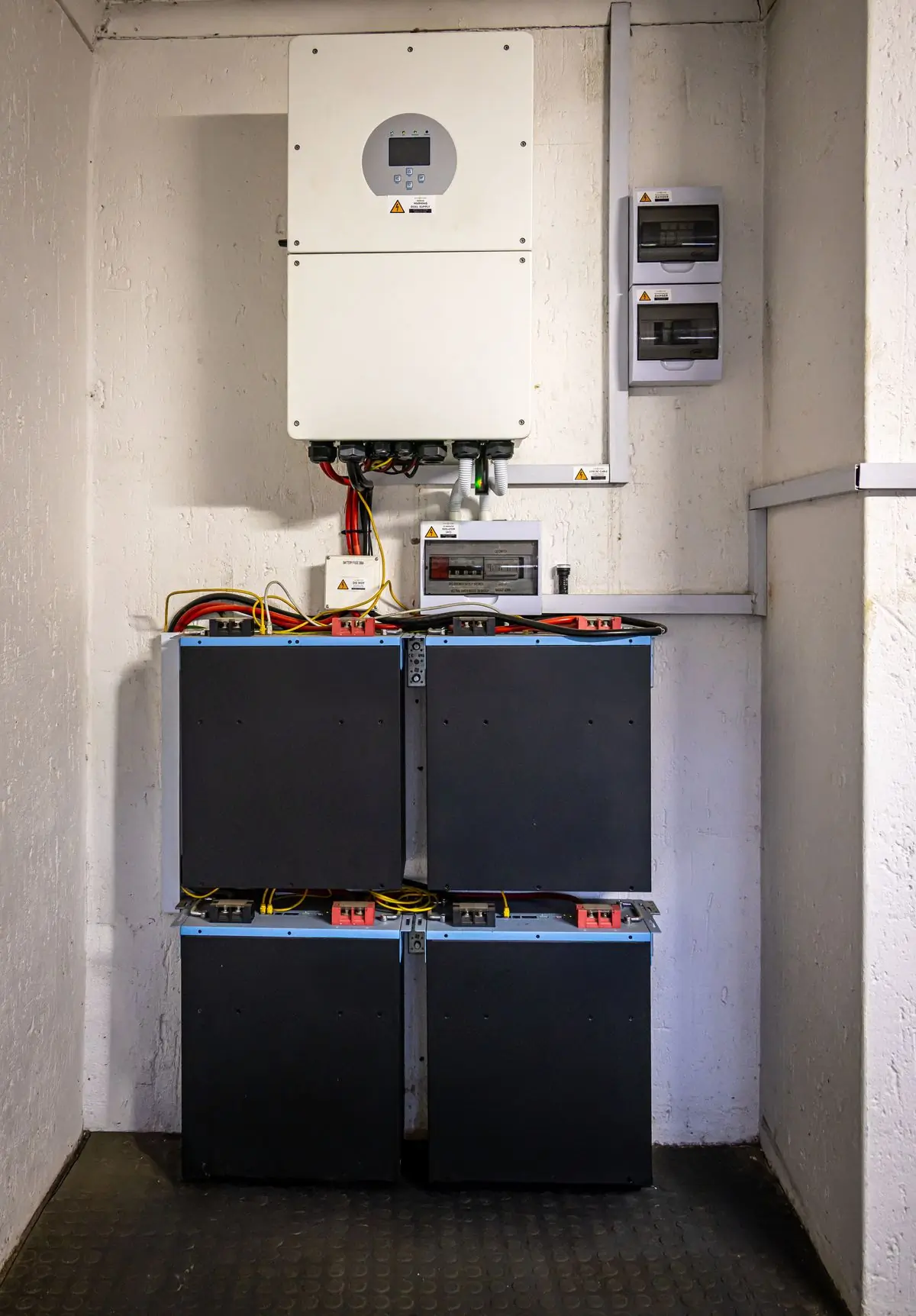
Storage
Lithium or lead: the honest comparison
Lead-acid is half the price and a third of the life. Here is the arithmetic over ten years, with the replacement cycles nobody puts in the quote.
Read the guide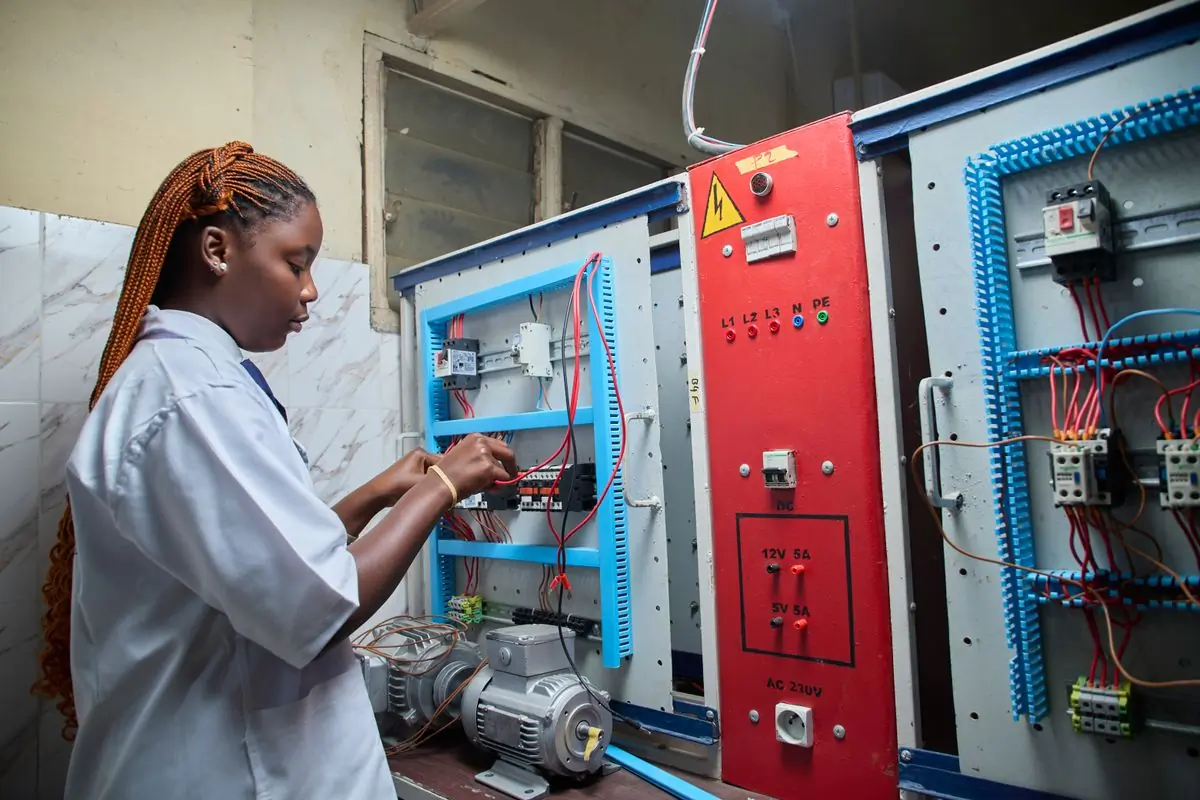
Regulation
Net metering, step by step
The forms, the fees, the inspection and the realistic timeline for a domestic net-metering application in Greater Accra in 2026.
Read the guide
THE SURVEY IS FREE
Find out what your roof is worth
Ninety minutes on site, a shading study, a modelled monthly yield and a written price. Nothing to pay, and the report is yours whether you use us or not.