ABOUT THE FIRM
Nineteen people and six hundred roofs
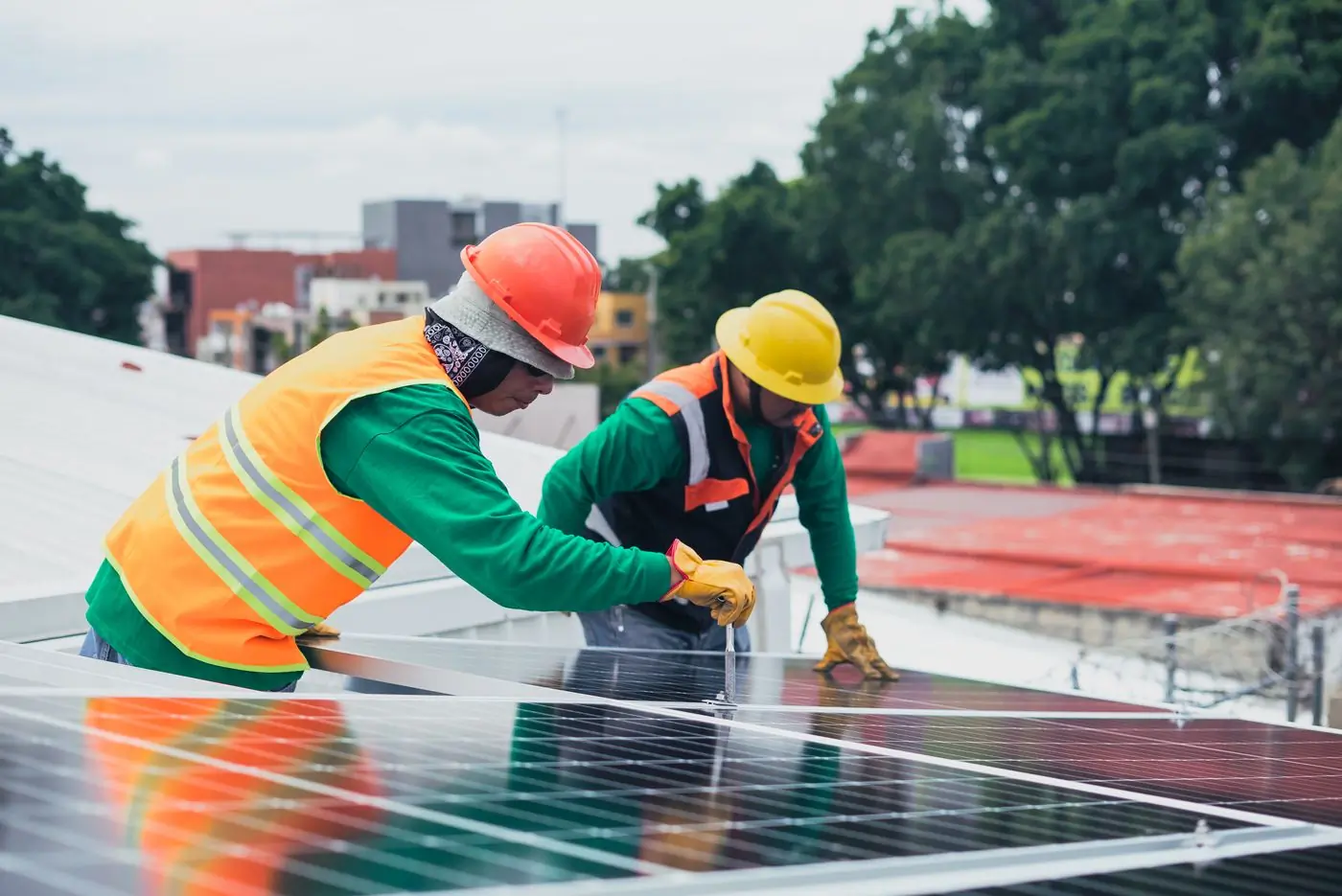
We are a solar contractor in Dzorwulu that has been doing one thing since 2014: designing, installing and looking after rooftop systems in Greater Accra. Not importing, not distributing, not franchising.
HOW IT STARTED
It began with one bad quote for a neighbour
In 2014 Kwabena Ofosu-Mensah was fourteen years into a career at ECG when a neighbour in Dzorwulu showed him a quotation for a rooftop system. It was for twice the array the house needed, priced against a battery bank that would have been dead inside four years, and it carried no yield figure at all — only a photograph of somebody else's roof and a number at the bottom.
He redrew it on paper that evening, at half the size and a third of the price. That drawing is still on the wall in Dzorwulu, and the rule it established has not changed since: nobody is quoted a system before their own roof has been surveyed, and no quotation leaves this office without the kilowatt-hours it is expected to produce printed on it.
Twelve years on there are nineteen of us, we have surveyed something over six hundred roofs across Greater Accra, and we still turn down about one enquiry in six — usually because the roof faces the wrong way, sometimes because a customer wants a system twice the size of their problem. Saying so has cost us work and earned us most of the rest.
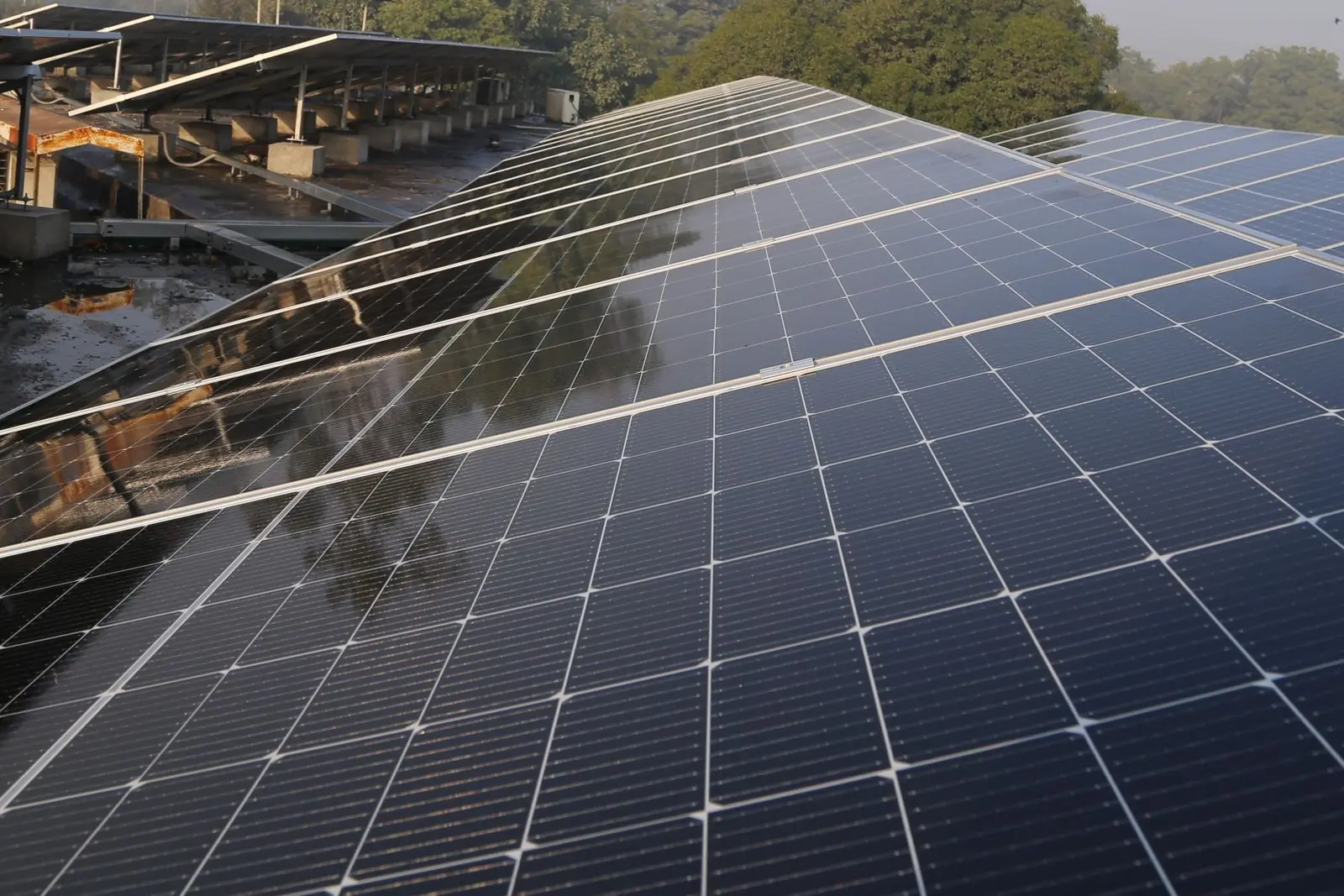
The 2019 array at Kaneshie market: forty-eight panels over the traders' cold room, and the first commercial roof we did not subcontract any part of.
640
Roofs surveyed across Greater Accra
3.4
MWp
Installed and generating today
12
yrs
On the same roofs, still servicing them
24
hrs
From a fault call to a technician on site
WHAT WE REFUSE TO DO
Four rules, and they cost us work
None of these is unusual anywhere else. All of them are unusual here, which is most of why this page exists.
We survey first
No quotation before somebody has stood on your roof
Not a phone estimate, not a satellite photograph, not a price per kilowatt from a table. A surveyor measures the roof, checks what the structure will take, logs the shading through the day and photographs your distribution board. It costs you nothing and it is the reason our installations do not surprise anybody.
We size down
The smallest system that solves the problem
A bigger array is a bigger invoice and, past a point, no more useful power. If four panels and a small battery will carry your fridge and your lights through a cut, that is what the design says — even when you have asked for eight.
We employ our crews
Nobody is sent to your roof whose name we cannot tell you
Every installer is on our payroll and certified by the Energy Commission. Subcontracting is how this industry loses control of its own workmanship, and it is the single most common reason we are called to fix somebody else's system.
We stay
An installation is the start of the relationship
Two service visits a year, monitoring we actually watch, and a fault line answered by the people who built the thing. A solar company that disappears after handover has sold you a decade-long liability and called it an asset.
HOW WE WORK
Three promises we put in writing
Solar in Ghana has an honesty problem, and it is not usually about the panels. It is about what was promised on the phone and never written down.
A yield figure before a deposit
Every quote carries the modelled output of YOUR roof in kilowatt-hours a month, with the shading measured rather than assumed. If we are more than ten per cent under it in year one, we add panels at our cost.
Our own crew, never a subcontractor
The five people who install your system are on our payroll and hold Energy Commission certification. Nobody is sent to your roof whose name we cannot tell you the day before.
The paperwork is ours to chase
Net-metering application, ECG inspection, the certificate, the warranty registrations. You sign twice; we queue for everything else.
THE SURVEY IS FREE
Find out what your roof is worth
Ninety minutes on site, a shading study, a modelled monthly yield and a written price. Nothing to pay, and the report is yours whether you use us or not.