SYSTEMS AND SERVICING
Four systems and the care that follows
Every installation we do is one of four shapes. Which one is right for you is a question about your roof and your bills, and it is settled by a survey rather than by a phone call.
WHAT WE INSTALL
Four systems, and we will tell you which one your roof is
There is no configurator and no package with a name. A surveyor comes, measures the roof and the last six bills, and recommends the smallest thing that solves the problem — which is often not the biggest thing we sell.
Home backup
3–6 kWp · 5–10 kWh storage
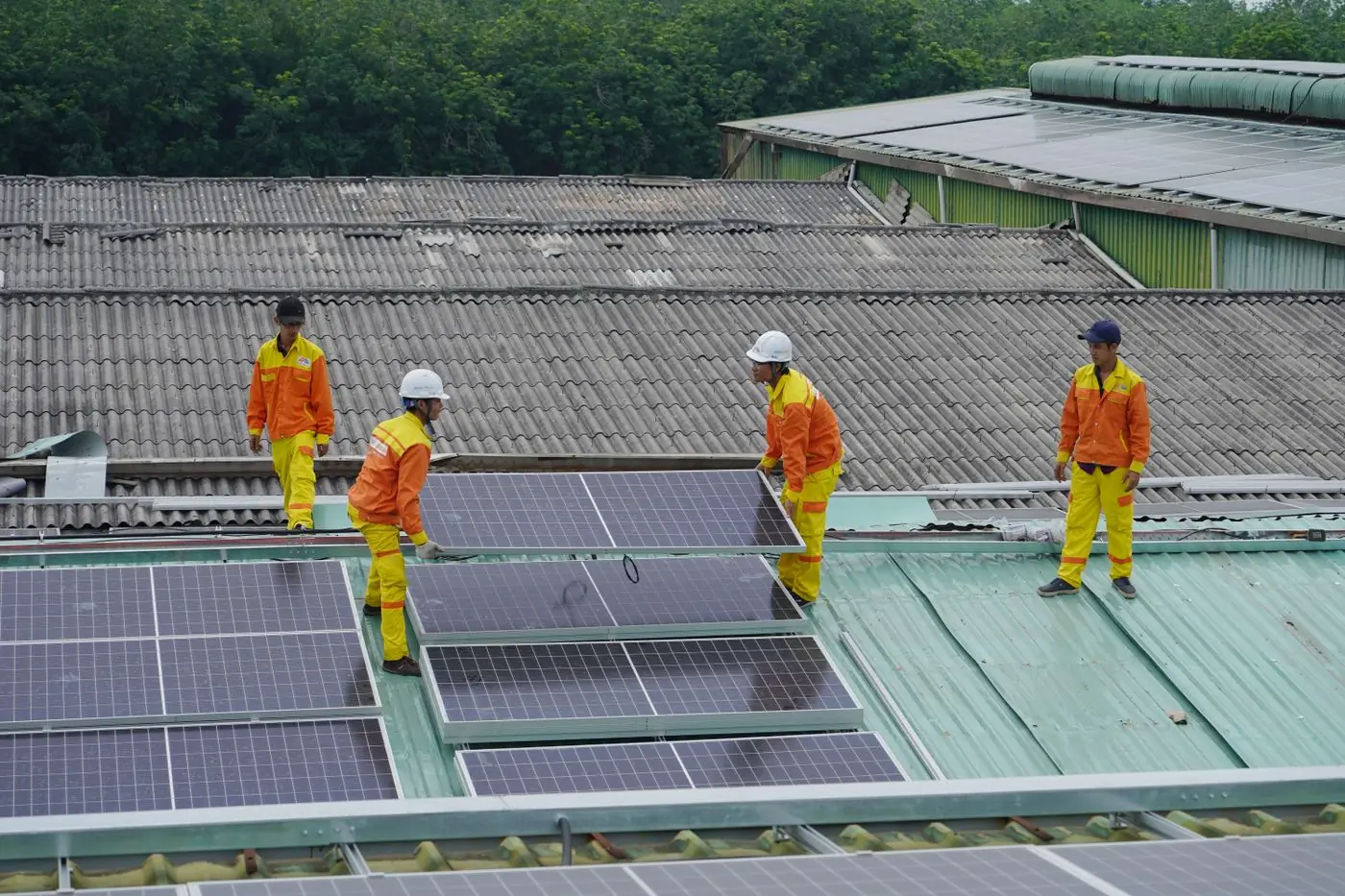
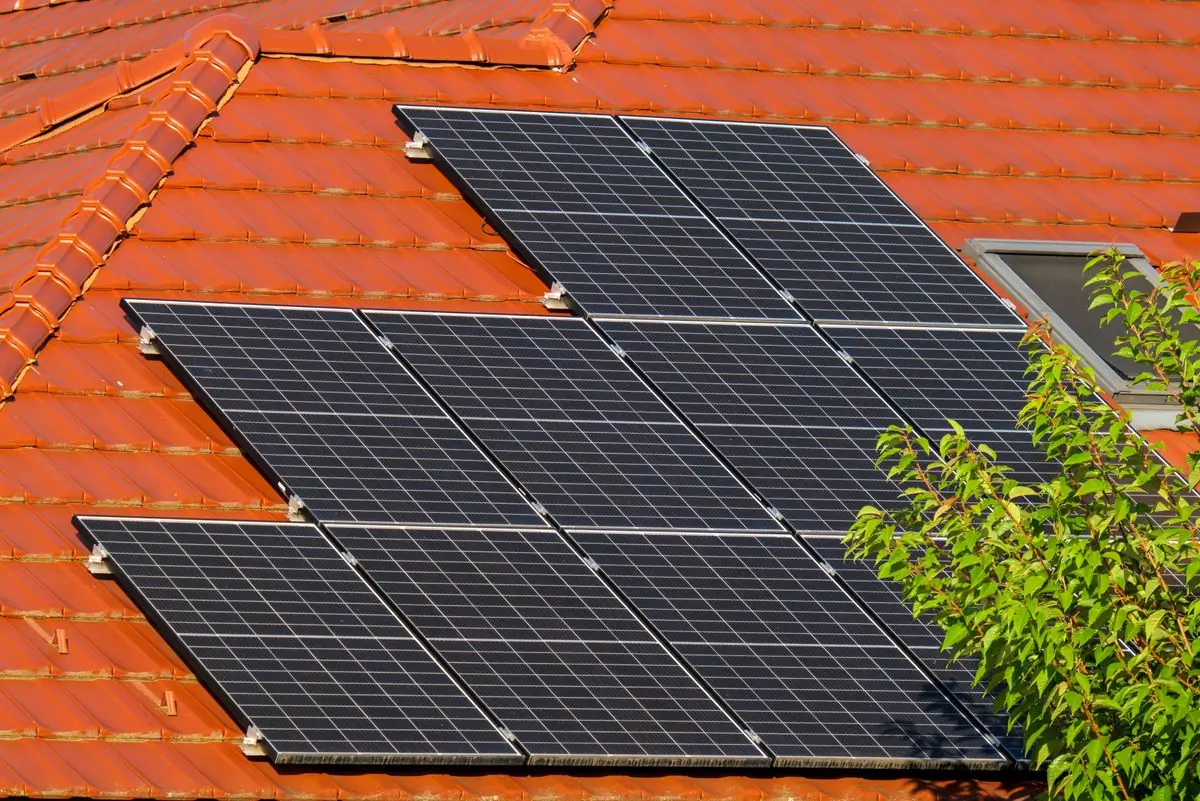
Panels and a battery sized to carry the fridge, the fans, the lights and the router straight through a cut. The grid stays connected; you simply stop noticing when it goes.
Full off-grid
8–20 kWp · 20–40 kWh storage
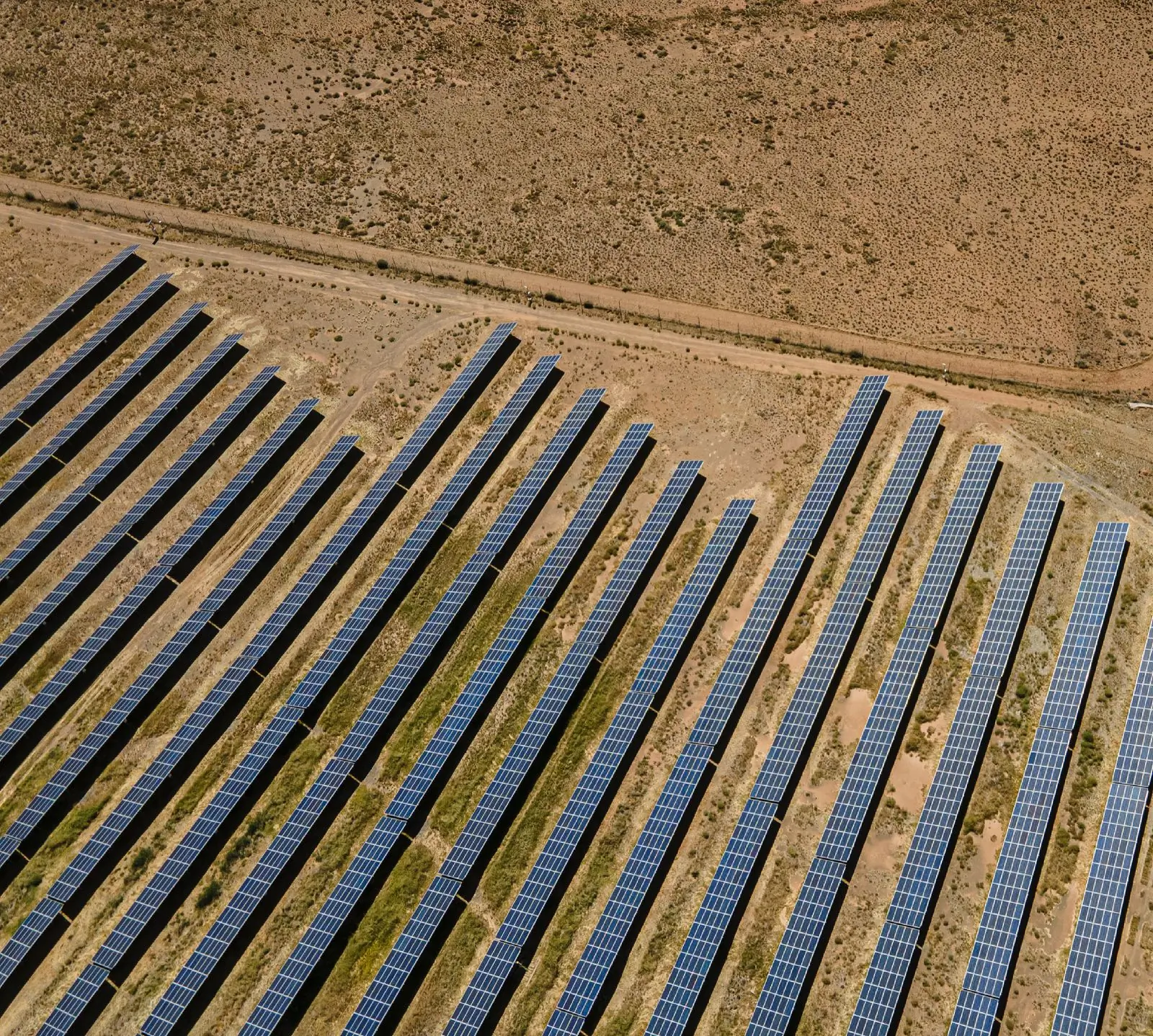
For sites where the pole is a kilometre away and the generator has become the electricity bill. Enough array and enough storage to run a household or a farm with no meter at all.
Commercial rooftop
20–250 kWp · grid-tied
Warehouses, clinics, schools and cold rooms, where the load runs in daylight and the array pays for itself against the tariff rather than against a battery.

Service and cleaning
Twice yearly · any installer's system
Harmattan dust costs a dirty array a fifth of its output. Two visits a year, a wash, a torque check, a thermal scan of every string and a report you can actually read.
IN DETAIL
What is actually included, line by line
Everything below is in the price of a system unless the quotation says otherwise. There is no separate charge for the survey, the drawings, the permit or the first year of servicing.
Survey and design
A shading study, a load profile and a yield in kilowatt-hours
We measure the roof and its pitch, establish what the structure will carry, walk the shading hour by hour with an inclinometer, read your last six bills and photograph the board. What comes back is a single-line drawing, a panel layout and a modelled monthly output — not a brochure.
Installation
Rails, panels, DC run, inverter, storage, changeover, labelling
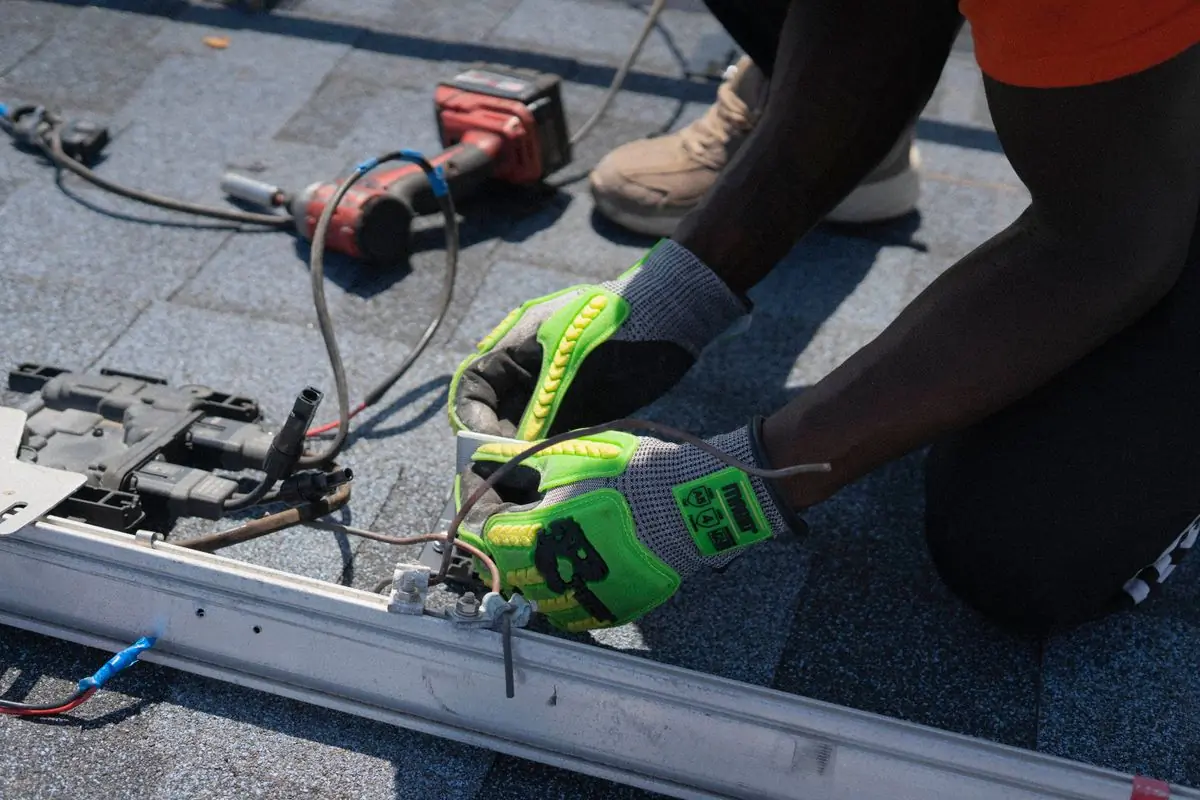
Non-penetrating clamps on standing-seam and aluzinc, gasketed hook mounts on tile, and every cable run in UV-stable conduit rather than cable-tied to a purlin. The roof is swept and the offcuts carried away before the crew leaves.
Storage
Batteries sized for the rainy season, not for the brochure
Lithium iron phosphate as standard, in a ventilated enclosure with its own isolator and a temperature sensor. We size the bank against your worst week in July rather than your best day in January, because that is the week you will remember.
Grid and permits
Net metering, the ECG inspection and the certificate
We complete the net-metering application, book the inspection, meet the inspector on site and hand you the certificate. You sign twice. Customers who file it themselves usually tell us it took four months and two visits to the district office.
Servicing
A wash, a torque check, a thermal scan and a readable report
One visit after harmattan and one before the rains. We clean the array, re-torque the clamps, thermally scan every string for hot cells, check the battery state of health and send you what the system made against what it should have made.
Taking over a system
We will service somebody else's installation
About a fifth of our service book is systems we did not build. We audit it first — mounting, earthing, string voltages, battery health — tell you plainly what is wrong, and quote separately for putting it right. There is no obligation to have us do the remedial work.
THE ORDER OF THINGS
Survey, design, install, and then twelve years of us
The whole sequence, with the days it actually takes. Nothing here is a range that means 'we do not know'.
01
The roof survey
Within 3 working days
Ninety minutes on site. We measure the roof, check the sheet or the tiles will take the load, log the shading hour by hour and photograph the distribution board. Free, and yours to keep whether or not you use us.
02
The design and the number
4 days after the survey
A single-line drawing, a panel layout, a modelled monthly yield and one price with nothing under a line marked 'contingency'. If a battery is not worth it for you, the design says so.
03
Installation
1–3 days on site
One to three days for a home, longer for a commercial roof. Rails, panels, DC run, inverter, batteries, changeover and labelling — and the roof swept before we leave it.
04
Handover and after
Twice yearly, thereafter
We walk you through the app, the isolators and what to do if the inverter beeps at 2am. Then two service visits a year, for as long as you want us on the roof.
BEFORE YOU ASK
Four questions that come up on the roof
Do I have to leave ECG?
No, and most customers should not. A grid-tied system with storage uses ECG when it is there and your battery when it is not. Net metering lets you export the surplus; we file that application on your behalf.
Will it damage my roof?
We use non-penetrating clamps on standing-seam and aluzinc sheet, and gasketed hook mounts on tile. Every roof is load-checked in the survey, and if yours will not take an array we will tell you before you have paid anything.
What happens in the rainy season?
Output drops, it does not stop — a well-sized array in Accra still makes about sixty per cent of its dry-season figure through June and July. The storage is specified for those months rather than for the good ones.
What is under warranty, and for how long?
Panels twelve years on the product and twenty-five on performance, inverters five to ten depending on the make, lithium batteries ten years or the stated cycles. Our own workmanship is covered for five years, and that is the one people forget to ask about.

THE SURVEY IS FREE
Find out what your roof is worth
Ninety minutes on site, a shading study, a modelled monthly yield and a written price. Nothing to pay, and the report is yours whether you use us or not.