About
The House
Est. 2014
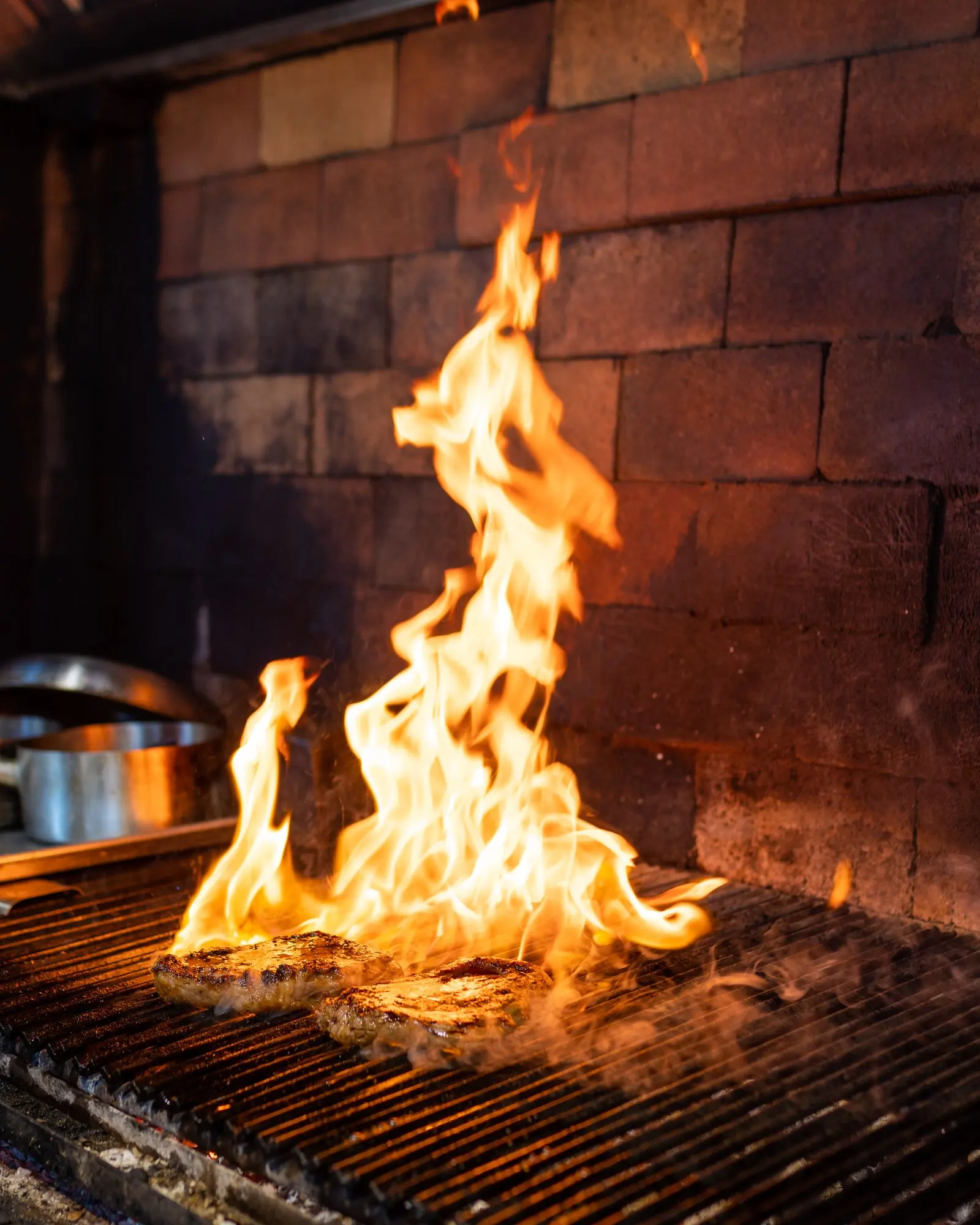
A drum grill behind a bar on Cantonments Road, then a queue, then a building. What has not changed in ten years is what we buy and how long we are willing to wait for it.
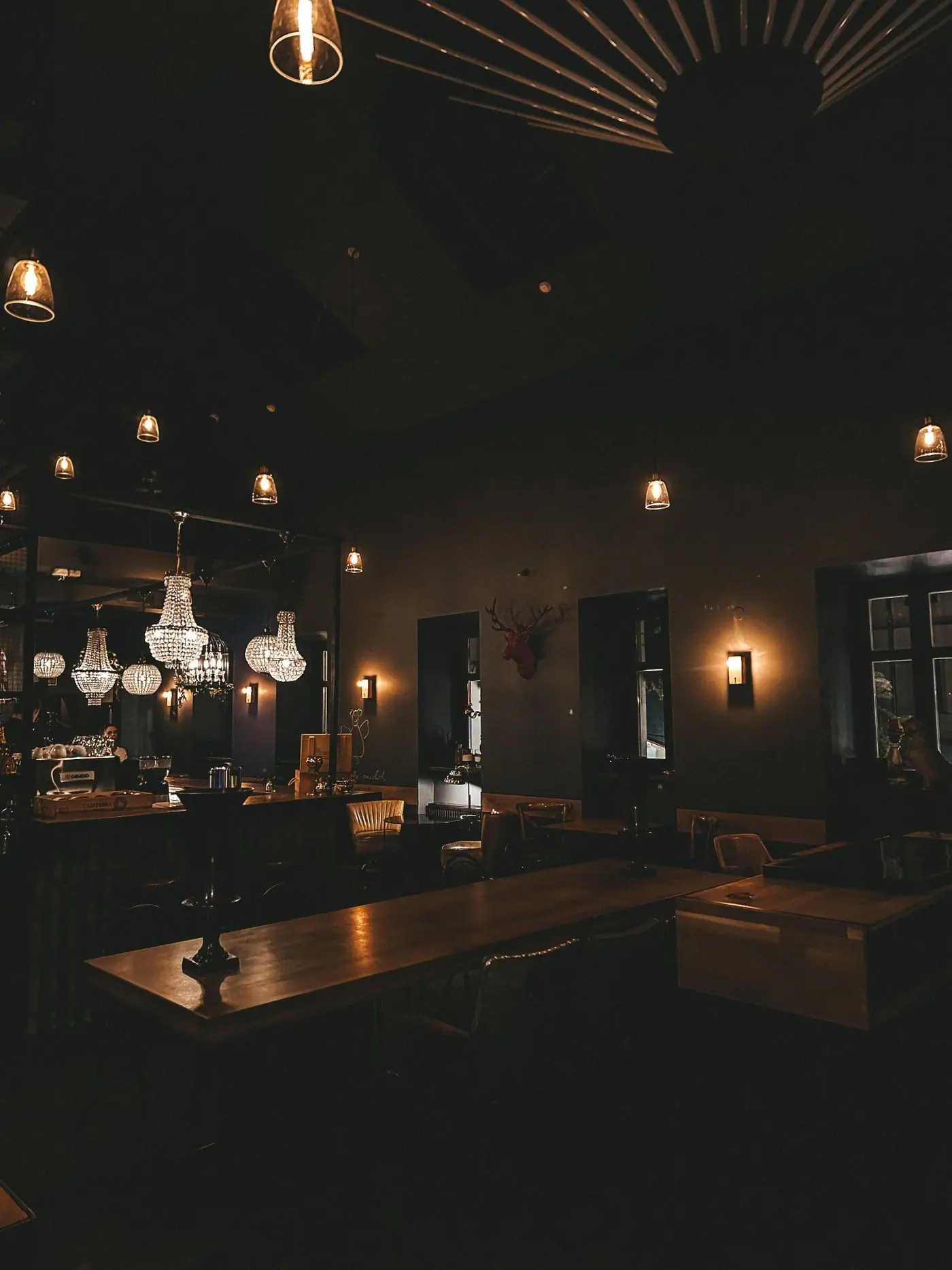
We buy the whole animal or we do not buy it.
Buying a case of ribeye is easy and it makes a restaurant that tastes like every other restaurant. Buying the animal means somebody has to find a use for the shin, the shoulder and the belly — which is how the braised section got written, and why the board is different in March than it is in September. It is more work. It is also the entire reason people come back.
Whole animals, four farms
Since 2014
Volta hardwood, no charcoal
Always
Dry-aged upstairs
28 days
The board is rewritten
Weekly
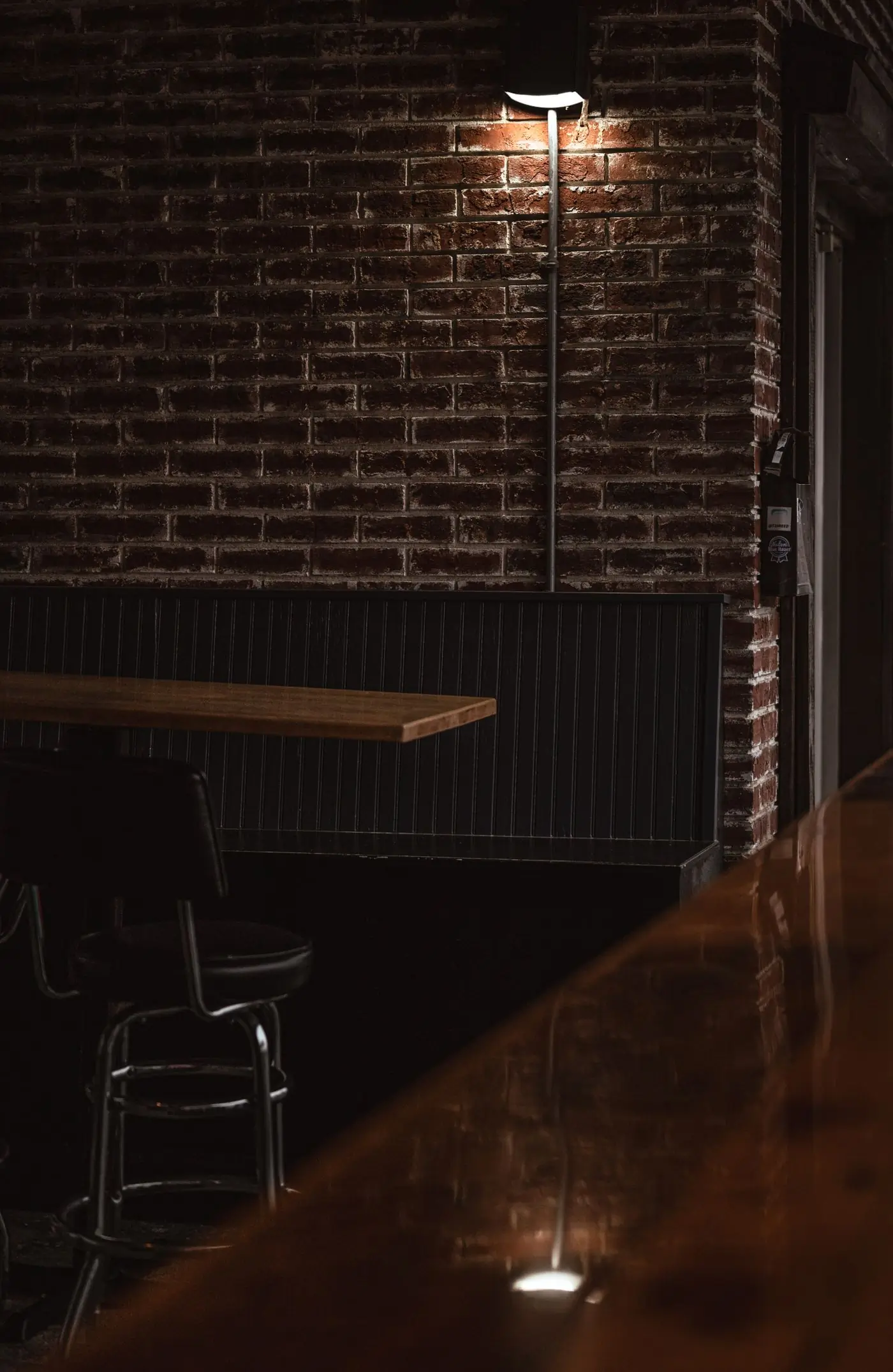
The room came second. The fire came first.
The pit was built before the floor went down, and everything else in the building was arranged around it — the pass, the counter seats, the extraction, the door the wood comes through. It is not a feature of the room. It is the reason there is a room.
4
Farms we buy from, all visited
31
People on the payroll
6t
Hardwood burned in a year
10
Years on Oxford Street
Who Works The Pit
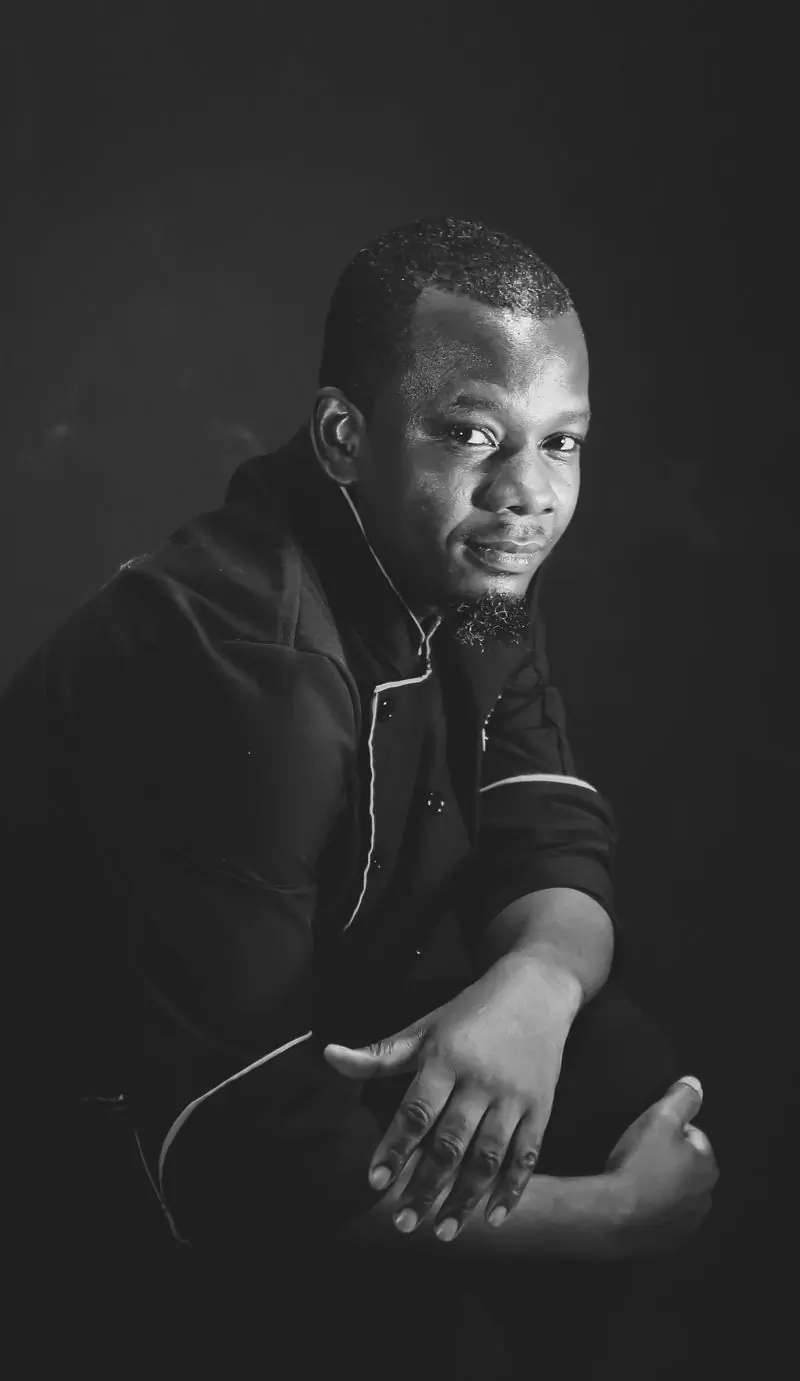
Kwabena Asare
Pitmaster. Lights the fire at six, sleeps near it when brisket is on.
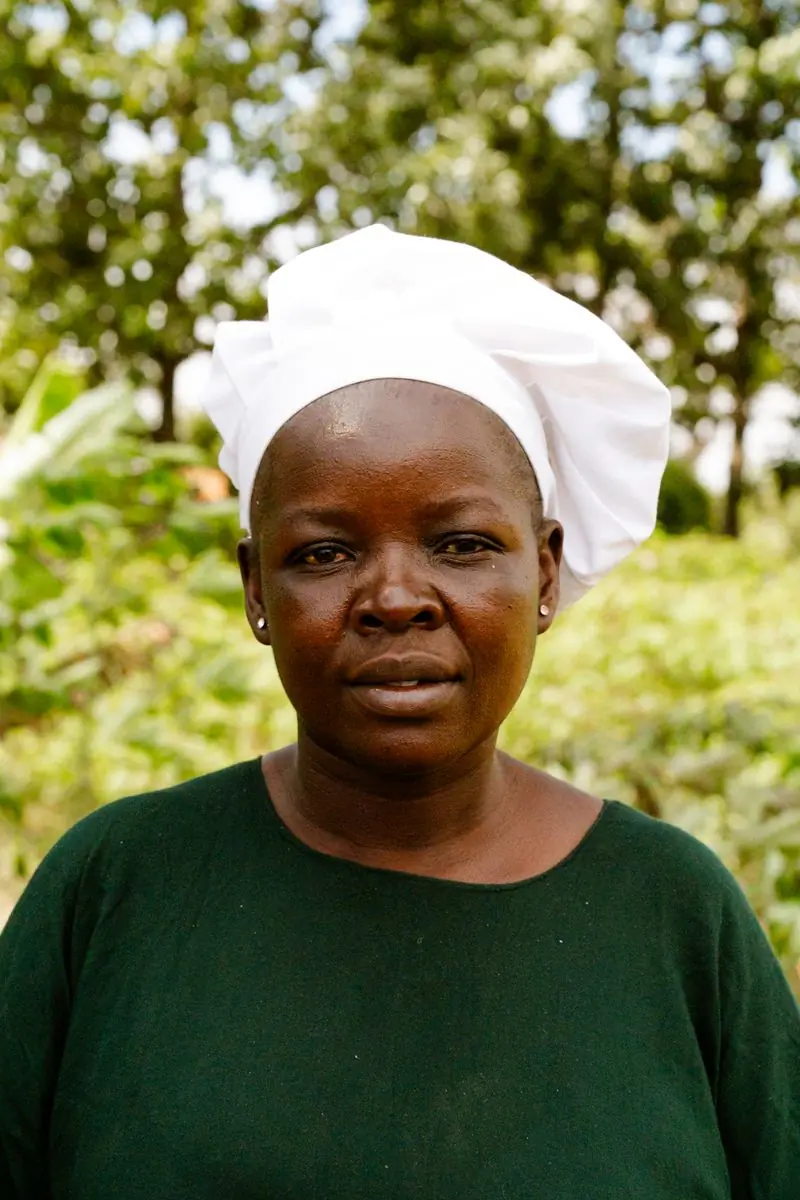
Afia Bediako
Head chef. Wrote the rubs; refuses to write any of them down.
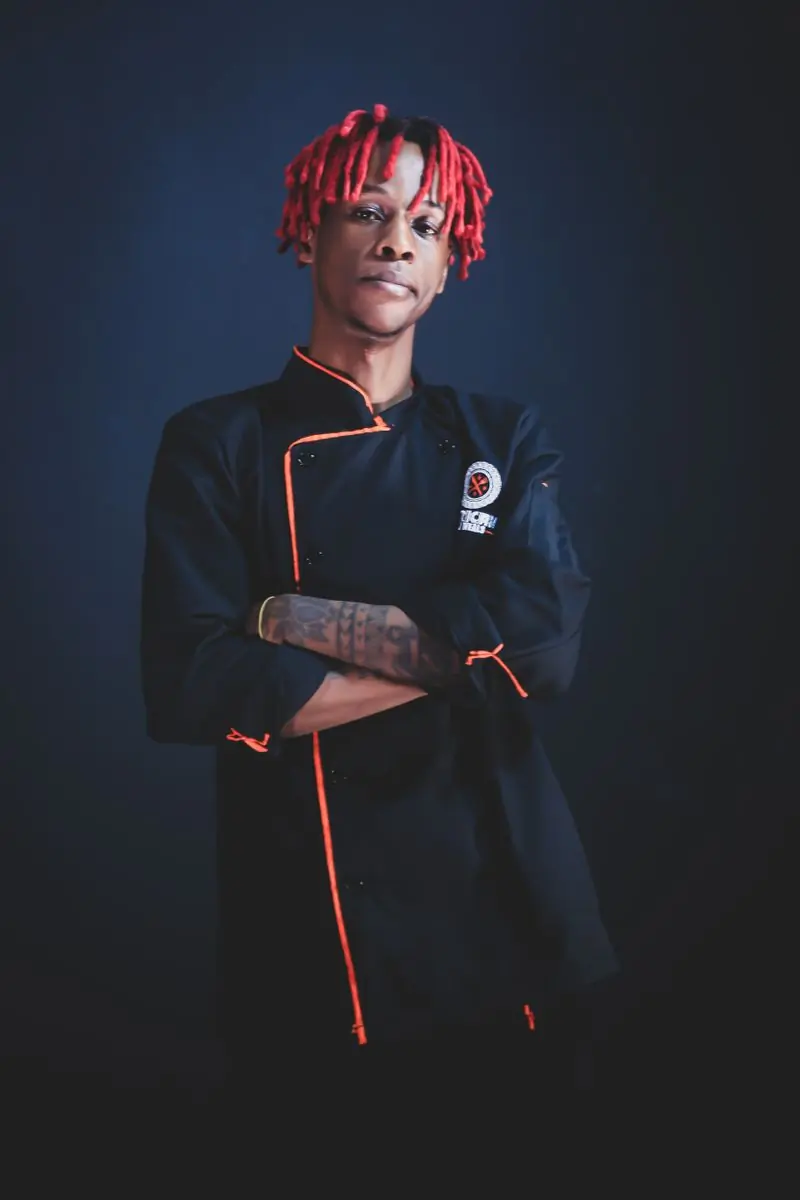
Selorm Agbeko
Sous chef. Runs the grill section and the four o'clock tasting.
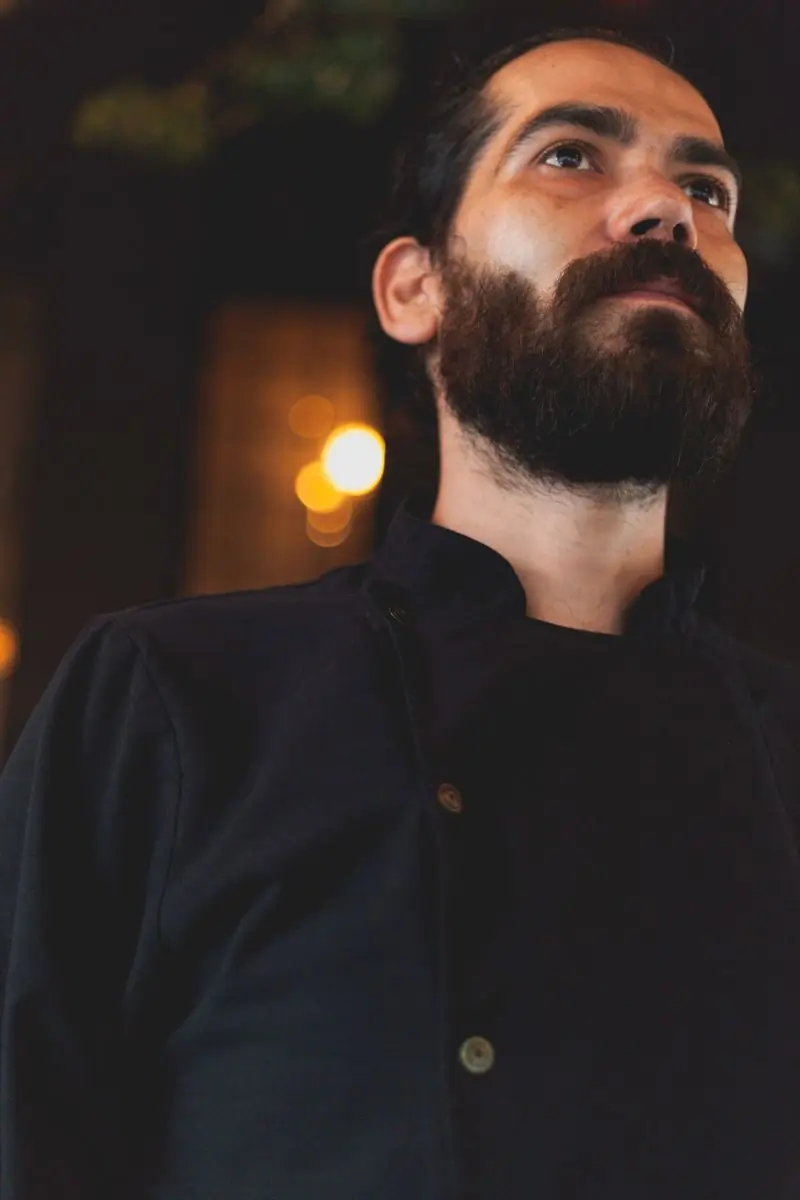
Nii Tettey
Butcher. Breaks down every carcass that comes through the back door.
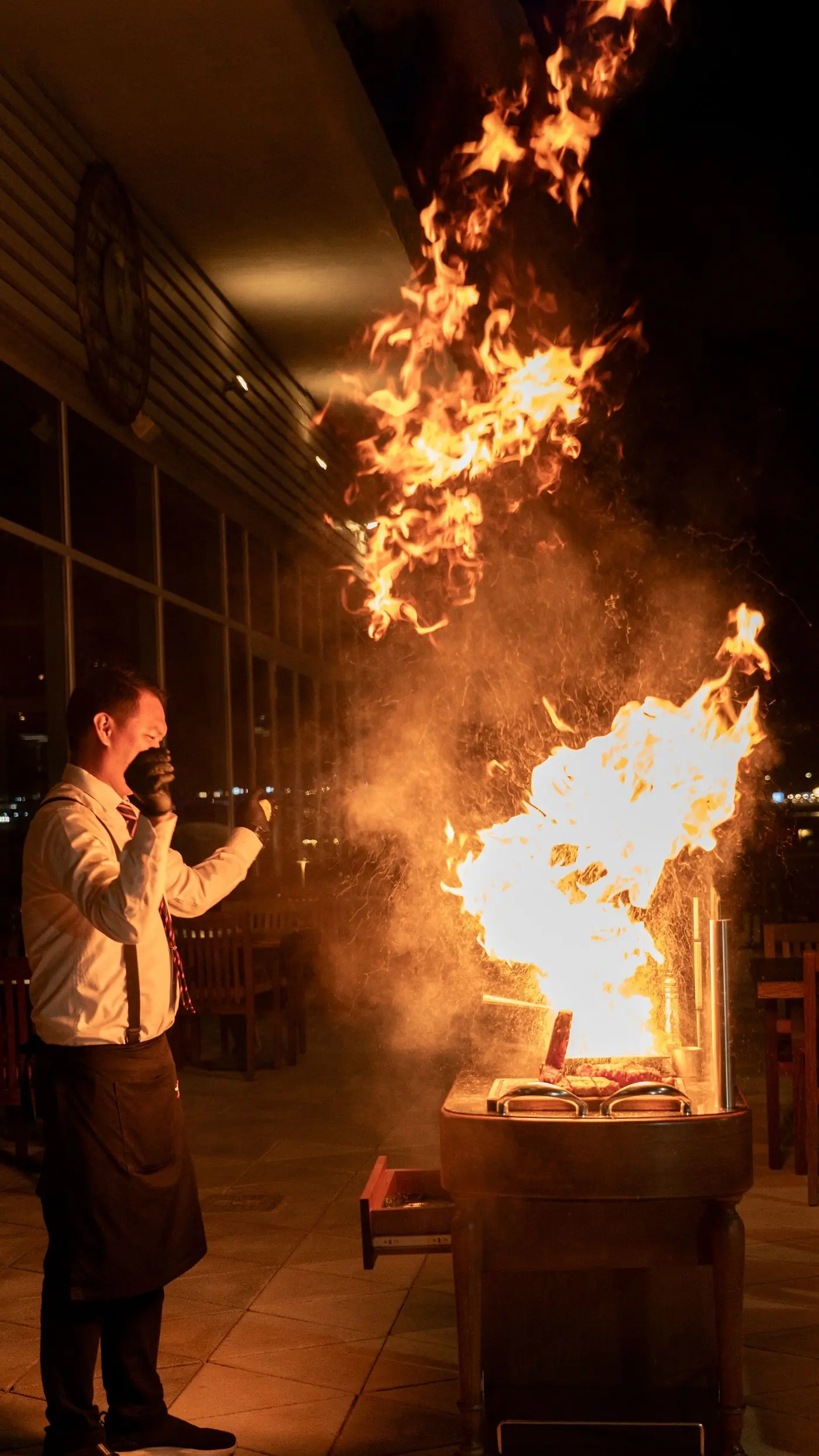
Ten years in, the fire is still lit by hand at six every morning.
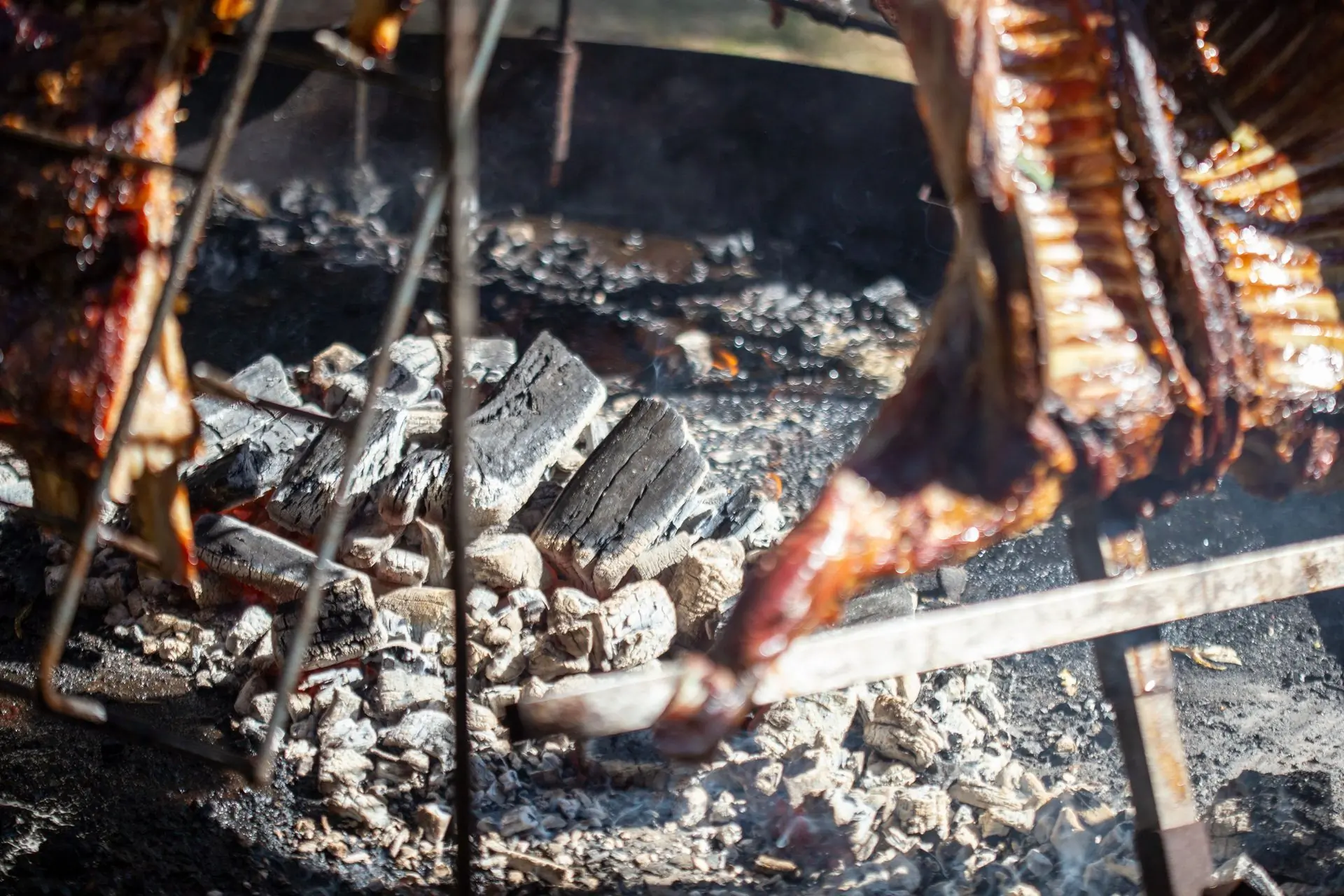
Come hungry. Leave slowly. We keep a table by the pit for whoever books it first.
Book a tableJoin Us Fireside
18 Oxford Street, Osu — Accra
+233 30 274 1180
Tue–Thu: 12:00 — 22:00
Fri–Sun: 12:00 — 23:30
