What we do
Six ways of working, one standard
Most couples start in the middle and move. Read all six, then tell us which part of the last twelve months you would most like to give away.
What we plan
Six ways of working. Most couples start in the middle and move.
Full planning
From the first conversation to the last car leaving. Budget, suppliers, contracts, the running order, and a person at your elbow for every decision in between.
Partial planning
You have started and you would rather not finish alone. We take it from wherever you are, keep what is already working, and carry the rest.
On-the-day coordination
We arrive before the tent does and leave after the chairs. You hand over a plan six weeks out and stop answering your phone.
Design and styling
Colour, cloth, flowers, light and the shape of the room. Drawn properly, costed honestly, and built by people who have built it before.
Traditional rites
Knocking, engagement and the customary ceremony, held the way your families expect and timed so that the day does not run into the night.
Guests and logistics
Travel, rooms, transfers, the aunties arriving a day early. Everything your guests will ask, answered before they ask it.
How it looks
Every scheme starts from the venue and the season rather than from a mood board. A room that is beautiful at noon and impossible at seven has not been designed, it has been decorated.
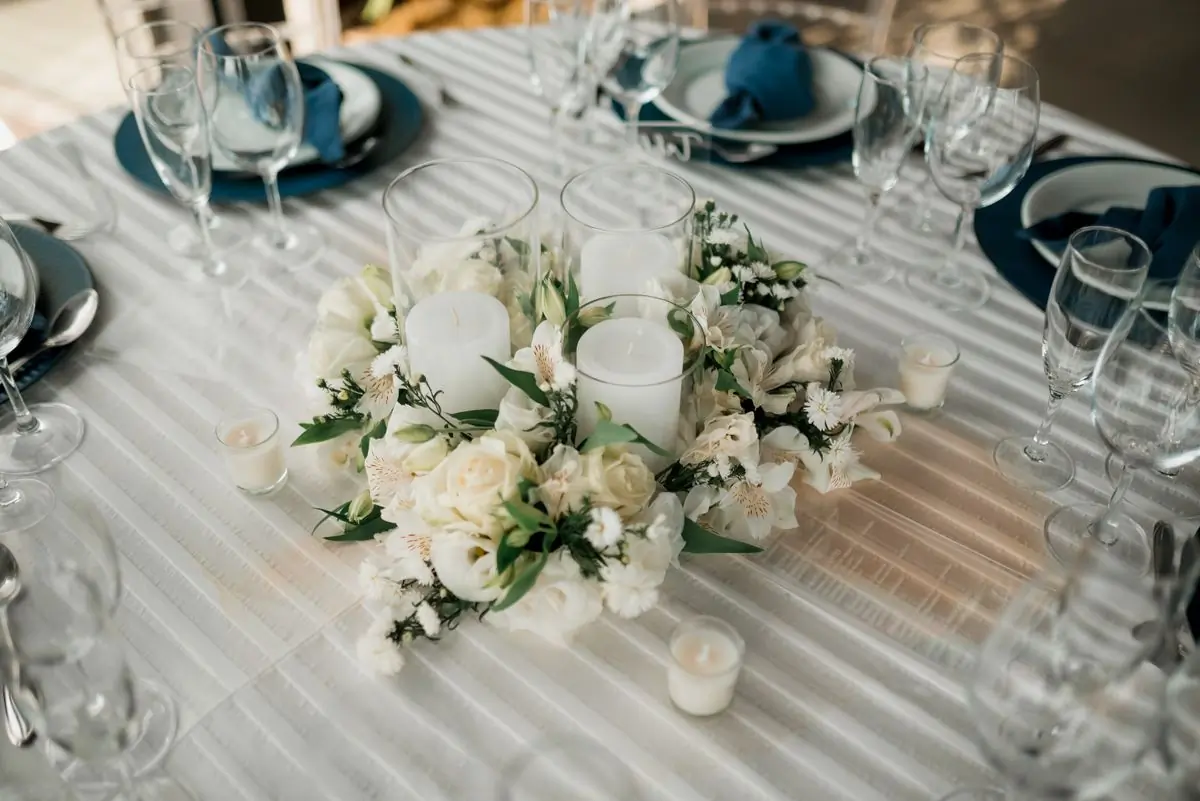
Low, so people can see each other
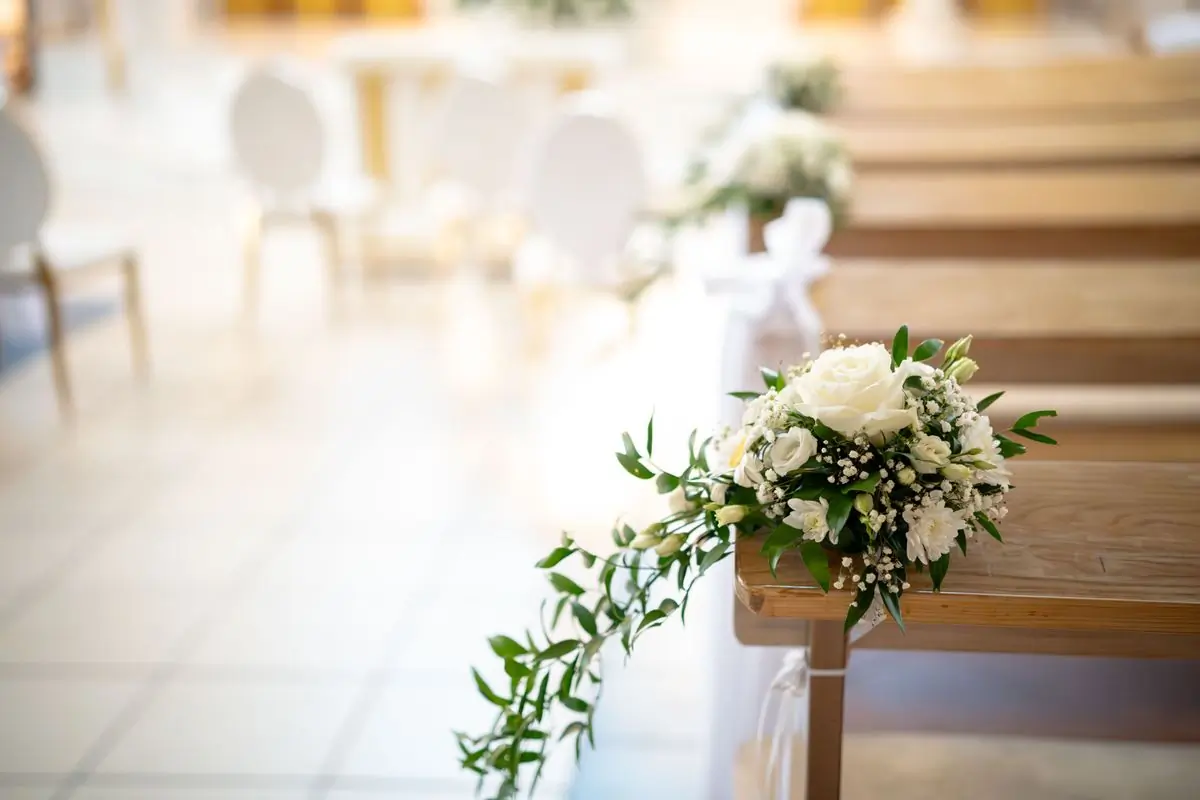
The aisle, from the photographer's mark

Cloth chosen with the family

Imported only where the stems demand it

Sourced at the Accra market that morning

The detail the photographer will want
Design and styling
Taken on its own, or folded into a planning package at no extra fee.
The scheme
One colour story, one fabric decision and one flower decision, drawn to scale before anybody is asked to quote for it.
Tables and settings
Cloth, chargers, glass, napkins, place cards, the height of the centrepiece and whether people can see each other over it.
Flowers
Sourced at the Accra market on the morning where the stems allow it, and imported only where they do not. Costed both ways so you choose.
The ceremony setting
Arch, aisle, seating plan and the shape of the space so the photographs work from where the photographer will actually stand.
Light and sound
Where the generator goes, what the room looks like after six, and a sound system matched to the space rather than to the invoice.
Paper and signage
Invitations, orders of service, table plans and the small printed things that make a compound feel like a wedding.
How it works
One — the conversation
A first meeting | 60–90 minutes | No charge
We ask what the day should feel like before we ask what it should cost.
You leave with an honest budget range and a note of what we would do first.
Two — the plan
Design, suppliers and a running order | 4–8 weeks
A drawn scheme, a costed supplier list and a schedule that survives contact with a real morning.
Every quote comes to you as it comes to us. We take no commission from any supplier, ever.
Three — the day
Rehearsal, set-up and the day itself | From dawn
We are on site before the tent, and one of us stays until the last chair is on the lorry.
You are handed a phone number in the morning and asked not to use it.
Scope
The questions that decide which of the six you need.
We have planned it all. Can you just run the day?
That is exactly what on-the-day coordination is. You hand everything over six weeks out, we spend those weeks reading it properly, and on the morning we are the only number anybody calls.
We are only having forty people. Is that too small?
It is often the best work we do. A short guest list buys detail rather than scale, and the planning is no less involved — the fee scales with the work, not with the head count.
Do you work outside Accra?
Regularly. Aburi, Peduase, Ada, Cape Coast and Kumasi are all within a normal weekend for us. Anything further carries travel and a night for the crew, and it is quoted before you agree to it.
Do you take commission from suppliers?
No, and we never have. Every quote reaches you exactly as it reaches us. Our fee is our income, which is the only arrangement under which our advice about a supplier is worth anything.