Plain writing about teeth
Written by the people who do the work, for patients rather than for search engines. If something here worries you, ring the practice rather than reading further.
Explore our latest articles.

Ten habits that keep a Ghanaian smile healthy
Understanding oral and maxillofacial surgery
What has actually changed in implant dentistry
Ten habits that keep a Ghanaian smile healthy
Most of what protects your teeth happens at home, in about four minutes a day. Here is what we actually ask patients to do.
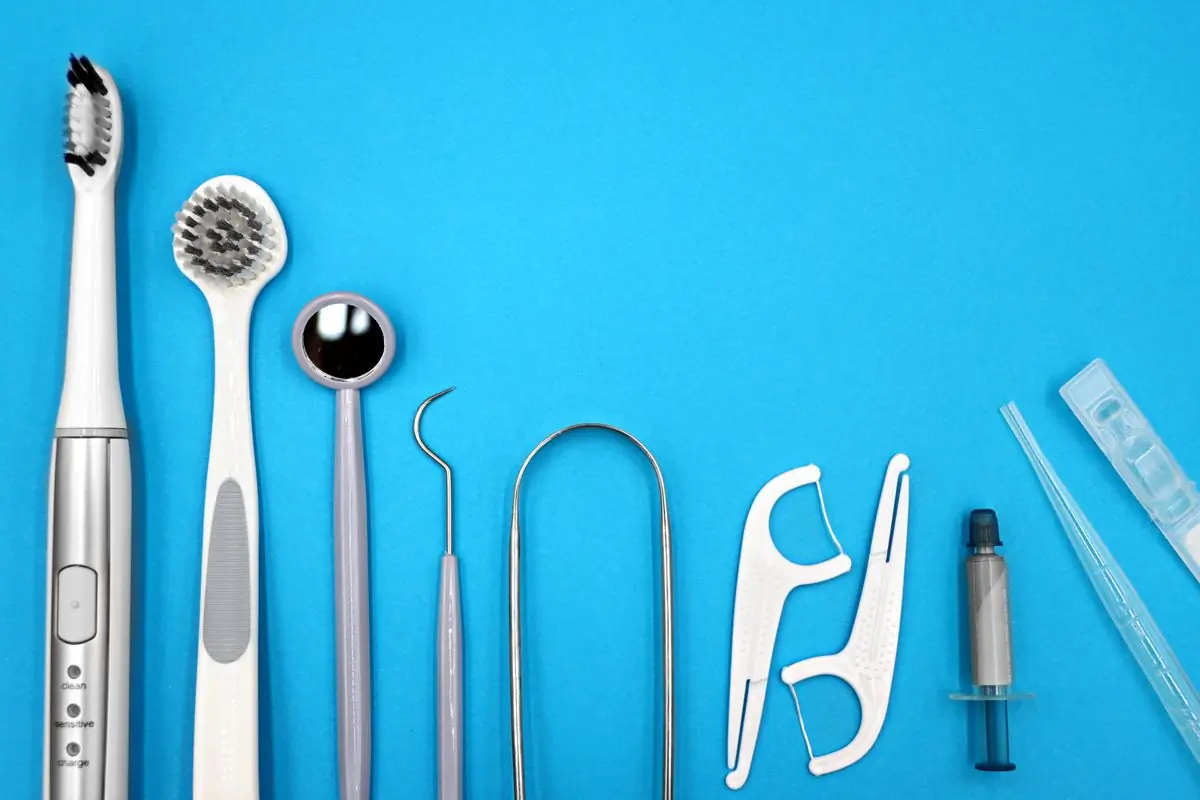
Brush twice, for two minutes, with a fluoride paste — and spit rather than rinse, so the fluoride stays where it is useful. A soft brush at the right angle beats a hard brush at the wrong one every time.
Clean between the teeth once a day. Floss if you can manage it, interdental brushes if you cannot; the point is that a toothbrush only ever reaches three of the five surfaces of a tooth.
Watch the sugar in what you drink rather than what you eat. A bottle of minerals sipped across an afternoon does more damage than the same sugar taken at once, because it is the number of acid attacks that counts, not the total.
And come in twice a year even when nothing hurts. Almost everything we treat is cheap and quick when it is found early and neither of those when it is not.
Understanding oral and maxillofacial surgery
The phrase sounds alarming and usually means a wisdom tooth. What it involves, and what it does not.
Oral surgery covers anything that involves lifting the gum rather than working on the tooth from above: wisdom teeth, buried roots, the bone graft that sometimes precedes an implant, and the biopsy of anything that looks unusual.
Almost all of it happens under local anaesthetic, in a chair, in about forty minutes. You drive yourself home. Sedation is available for the two or three cases a month that genuinely need it, and it is discussed beforehand rather than offered on the day.
The recovery matters more than the procedure. Swelling peaks on the second day, not the first, which surprises people; ice, soft food and the painkillers we send you home with cover almost every case. Ring us if it is worse on day four than on day three.
What has actually changed in implant dentistry
Implants have been routine for thirty years. What has changed is how they are planned.
The implant itself is not new. What is new is that we scan first: a low-dose 3D scan shows exactly where the bone is, so the position is decided on a screen rather than judged in the chair.
That planning is why a single implant is now a ninety-minute appointment and a follow-up rather than a morning. It is also why we can tell you, before you commit to anything, whether you have enough bone or whether a graft comes first.
The part nobody mentions is the maintenance. An implant does not decay, but the gum around it can become inflamed exactly like a natural tooth, and it is looked after in exactly the same way. Twice a year, same as everything else.
Get in touch to book your first appointment
One phone call is usually all it takes. Tell us what is bothering you — or that nothing is, and it has simply been a while — and we will find you a time this week.
Contact us
+233 24 618 2290Email us
hello@smile.com.ghWhat happens when you do
We call you back the same working day with two times to choose between.
Your first appointment is forty minutes, and half of it is talking.
GHS 180 for the examination, whatever we find — and a written plan before anything is booked.
NHIS, Nationwide, Acacia and Glico are all settled here directly.
