Our journal
Latest news and insights
What things cost, how long the paperwork takes, and which expensive decisions are worth making. Written by the people who will be on your site.
Ask us something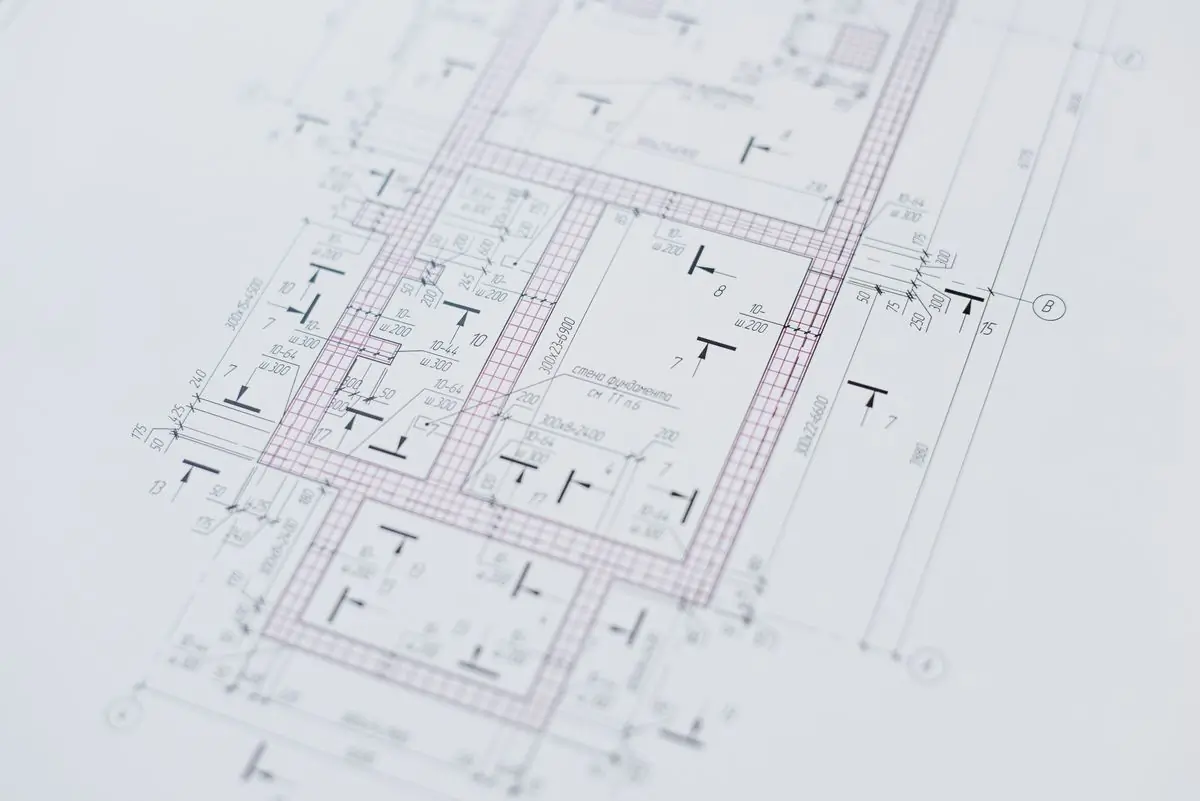
What a commercial fit-out in Accra actually costs
Everyone asks for a figure per square metre. Here is the honest version, with the four things that move it most.
A basic office fit-out — partitions, ceilings, power, paint, no joinery worth the name — lands between GHS 2,800 and GHS 3,600 per square metre at today's prices. A good one, with proper acoustics, decent doors and lighting somebody has actually designed, runs from GHS 5,000. A showroom is its own animal and starts higher.
Four things move that number more than anything else. The state of the shell you are given; the power you need and whether the building already has it; how much joinery is bespoke; and how long you have. A programme squeezed by a month costs more than the same work done at a normal pace, every time.
What does not move it much: the tiles. Clients spend weeks on finishes worth two per cent of the contract and ten minutes on the services that are twenty.
Ask for the cost plan broken into trades rather than a single figure. Anyone unwilling to show you that is protecting something.
More from the yard
Two more worth ten minutes
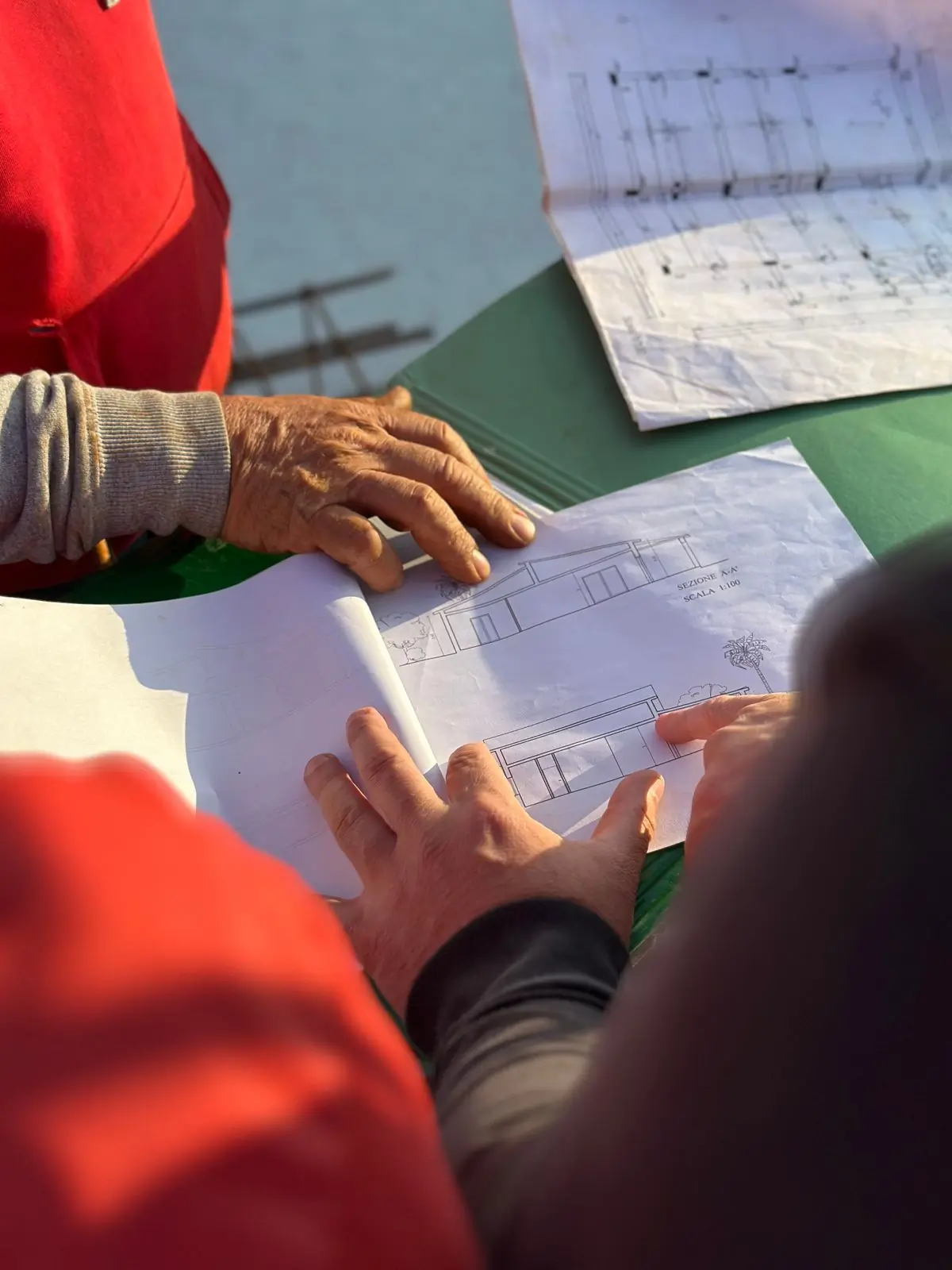
Six steps from a bare plot to a building permit
The permit process in Accra is not difficult. It is sequential, and almost every delay comes from doing step four before step two.
First, confirm the title. An indenture, a site plan signed by a licensed surveyor and a search at the Lands Commission — before you pay anybody for a drawing.
Second, get the zoning right. The Assembly will tell you what the plot is zoned for, and a design that fights that is a design you will redraw.
Third, commission the drawings — architectural, structural and services — as one coordinated set. Submitting architectural drawings alone to save time reliably costs a month.
Fourth, submit to the Assembly with the title documents, the drawings and the fee. Fifth, expect comments and answer them in writing rather than by visit. Sixth, collect the permit and put a copy in the site hut, because you will be asked for it.
Budget three to five months for the whole sequence, and start it while the design is still being finalised rather than after.
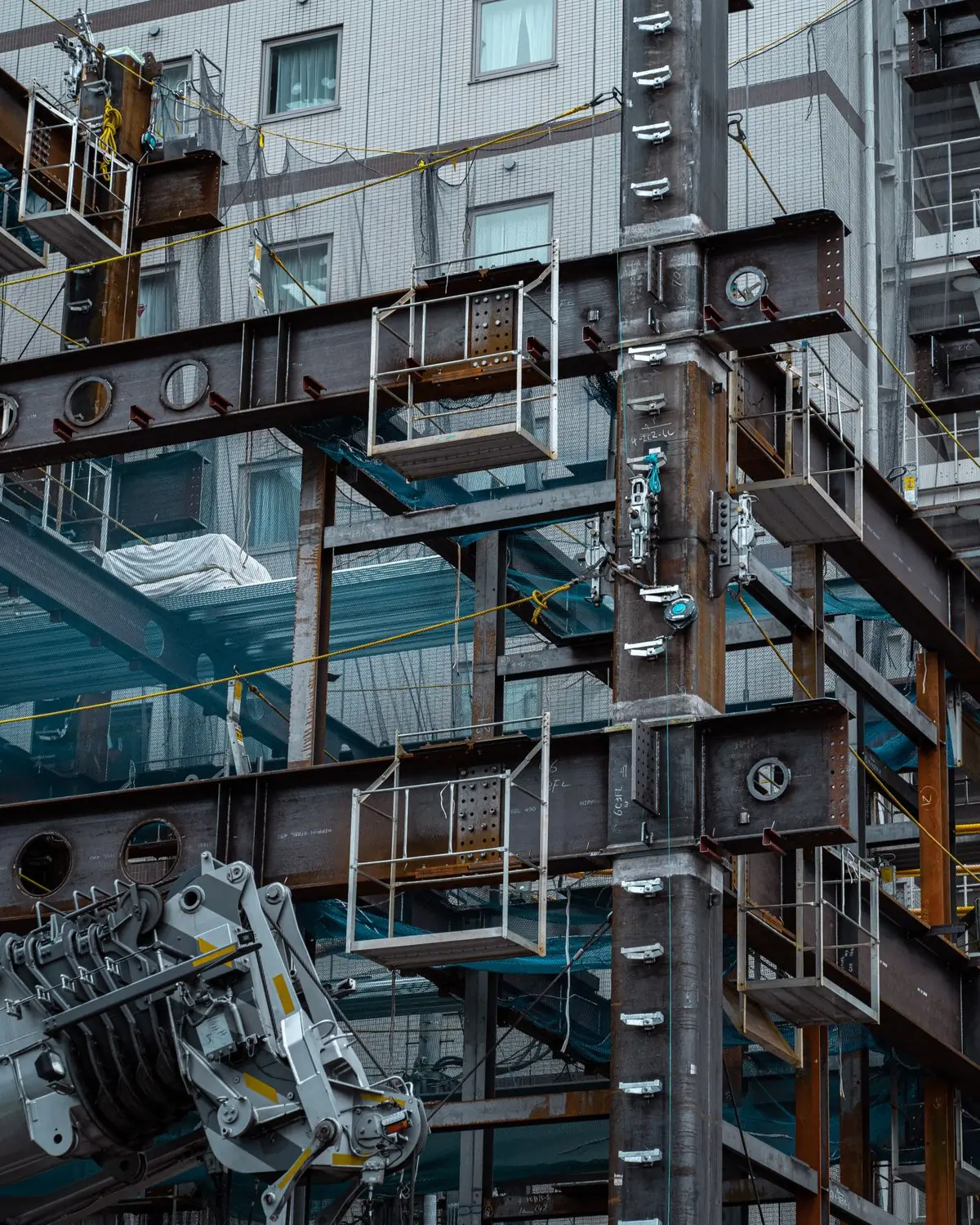
Why steel frames are arriving on Ghanaian sites
Concrete still wins on most houses. On warehouses and mid-rise offices the arithmetic has quietly changed.
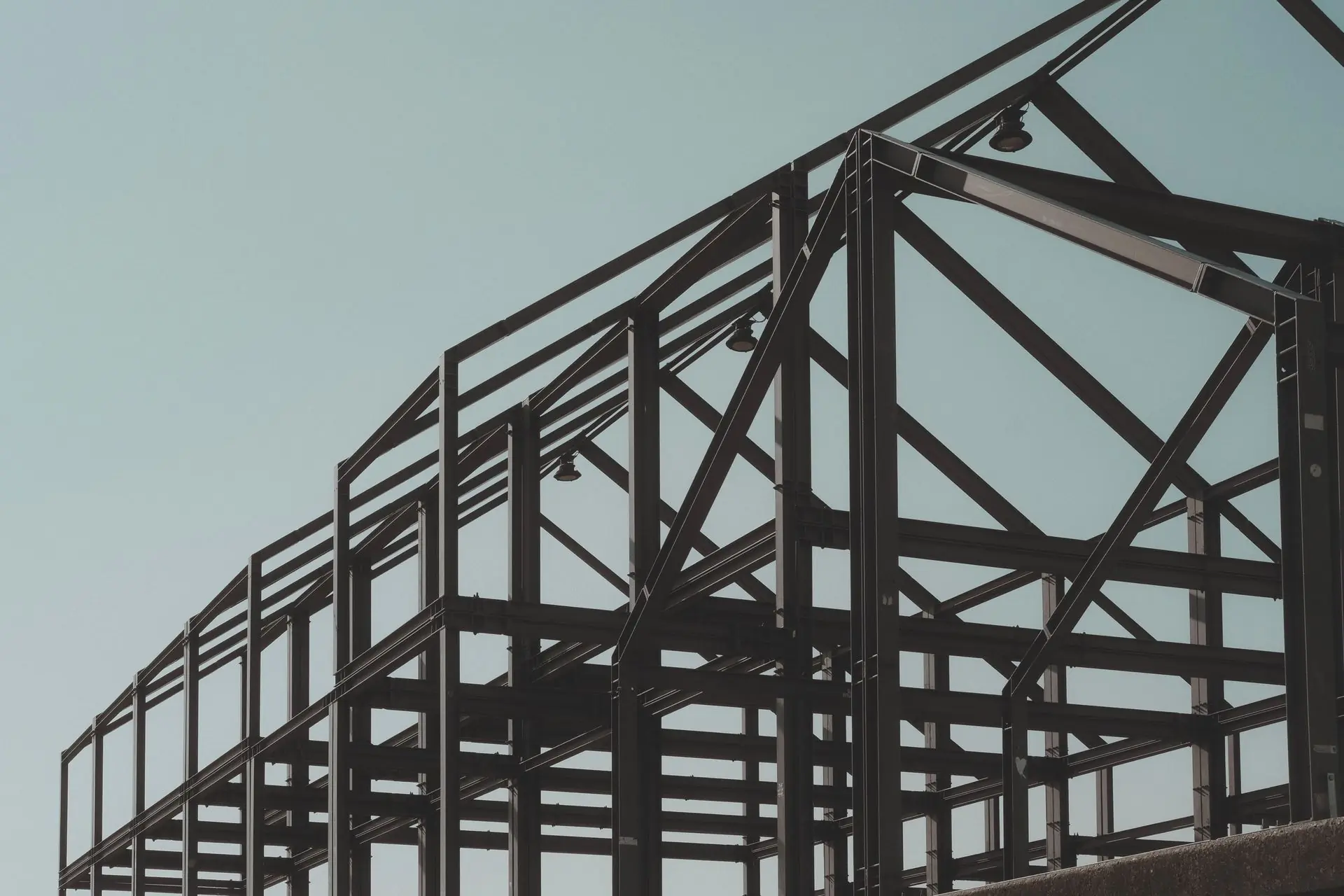
A steel frame goes up in a fraction of the time a reinforced-concrete one takes, and time on site is the cost nobody puts in the estimate. On a nine-storey office we topped out in eleven months where the concrete alternative was priced at seventeen.
It is not free. Steel wants a fabricator who can hold a tolerance, a crane, and a designer who understands connections. Where any of those is missing, concrete is still the right answer and we will say so.
The other change is fire protection. Intumescent coatings that used to be specialist are now available locally, which removes the argument that killed most steel schemes here a decade ago.
For a single house, none of this applies. Build it in blockwork and spend the difference on the roof.
Why choose us
Building trust through quality and experience
Experienced team
Site managers with fifteen years each, and tradesmen who have been with us since the first block went down.
Modern methods
Steel frames, dry lining and prefabricated elements where they save weeks — and blockwork where they do not.
Reliable delivery
A programme you can plan around, a weekly report you can read, and a snag list closed before we leave the site.
Start building with confidence
Turn a plot and an idea into a building you can stand in, with a contractor who tells you the truth about what it will cost.
Get started
Rise