Oral health notes
Short pieces answering the questions we are actually asked at the desk — written by the people who answer them.
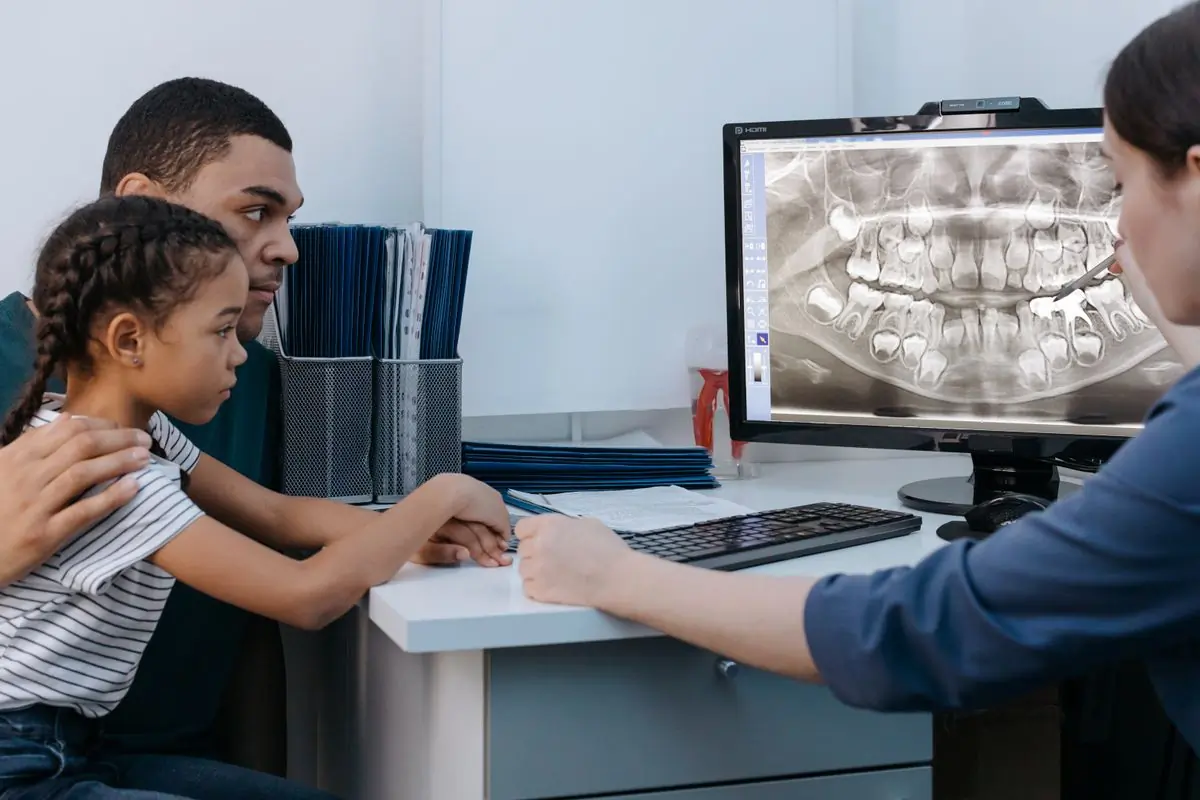
What we are actually looking for on an x-ray
Most of a tooth is hidden — the roots, the bone around them, and the space between teeth where decay starts. This is a plain-language tour of what a dentist reads on the film, and why we take one at your first visit and rarely after that.
Read the note
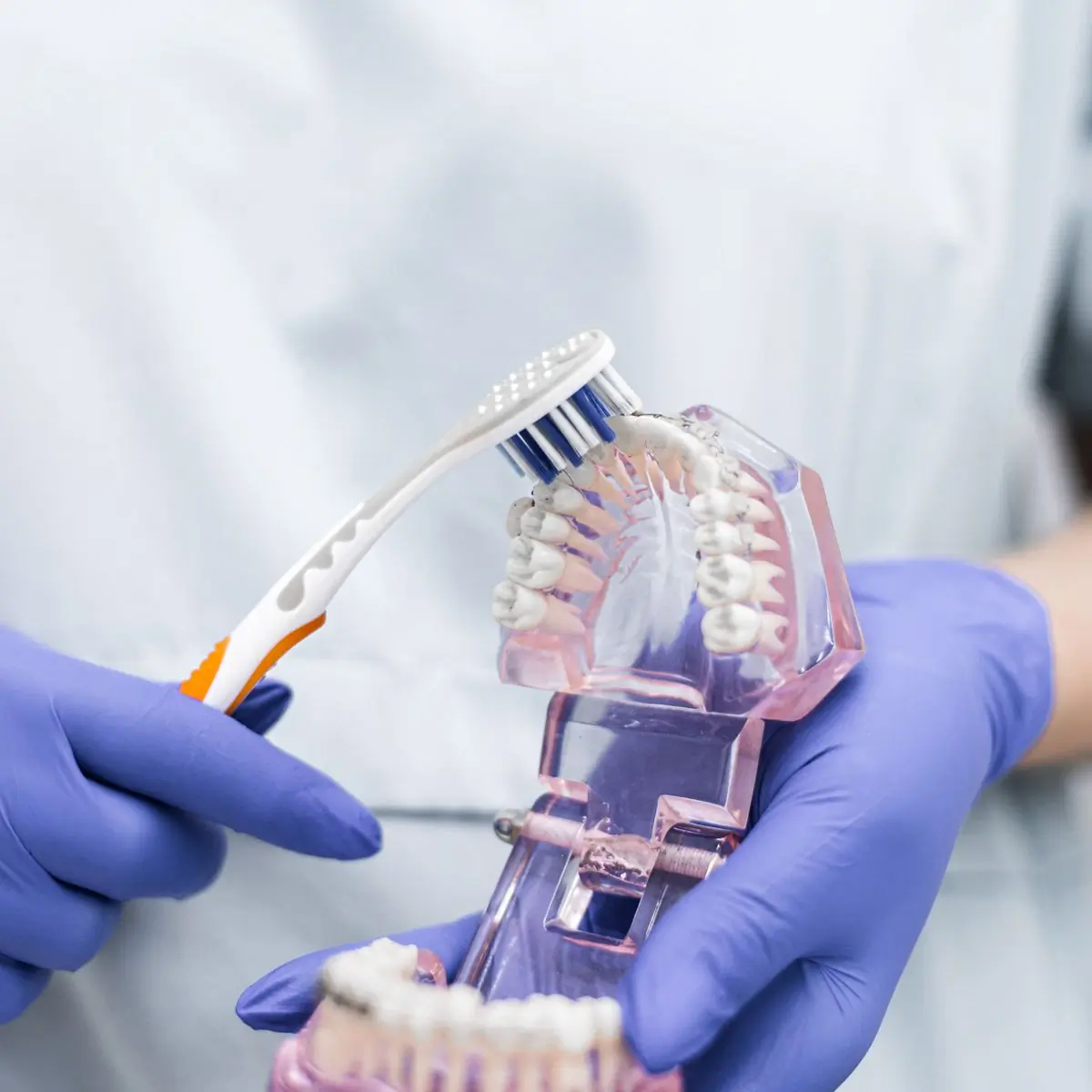
Two minutes, twice, and the bit everyone skips
Brushing is not the problem. Nearly everybody who comes in with gum disease brushes twice a day and has never once cleaned between their teeth. Here is the technique we teach at the chair, written down so you can do it at home.
Read the note
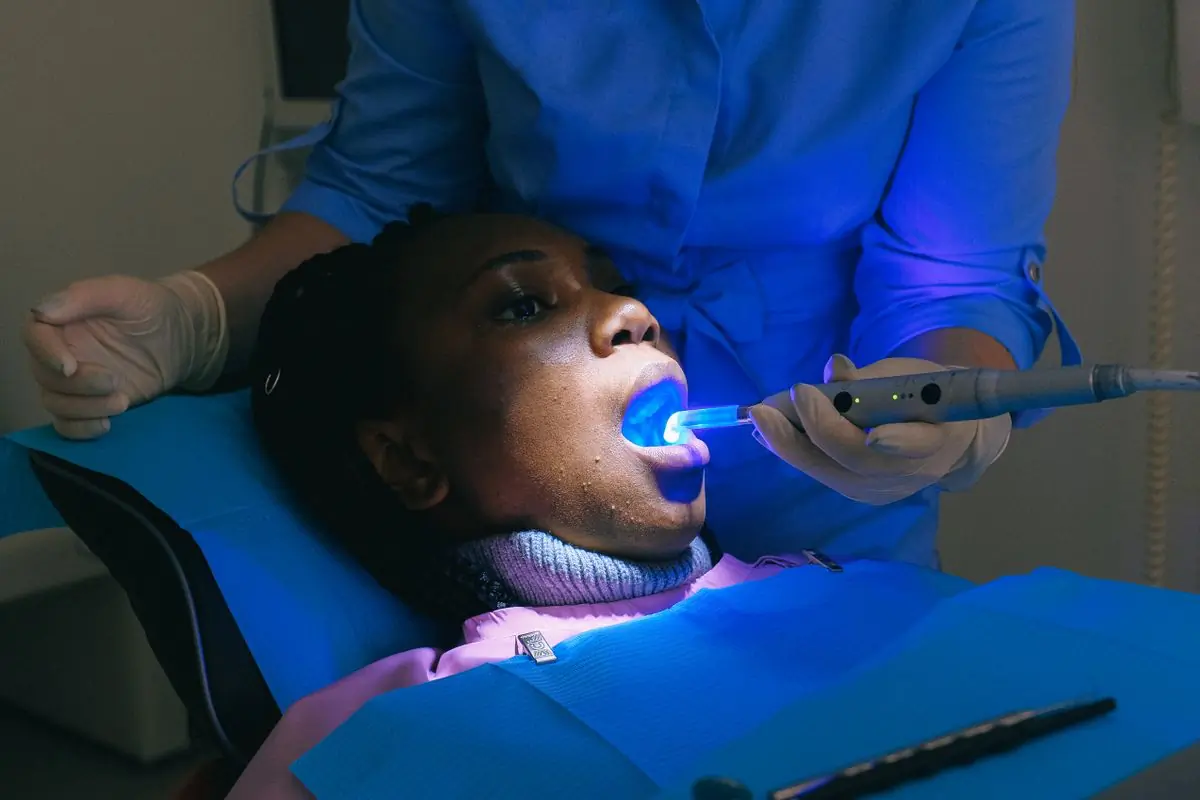
Whitening: what it can and cannot do
Whitening lifts stain from enamel. It does not change the colour of a crown, a filling or a tooth that has darkened from the inside after trauma — which is why we look before quoting, and sometimes say no.
Read the note
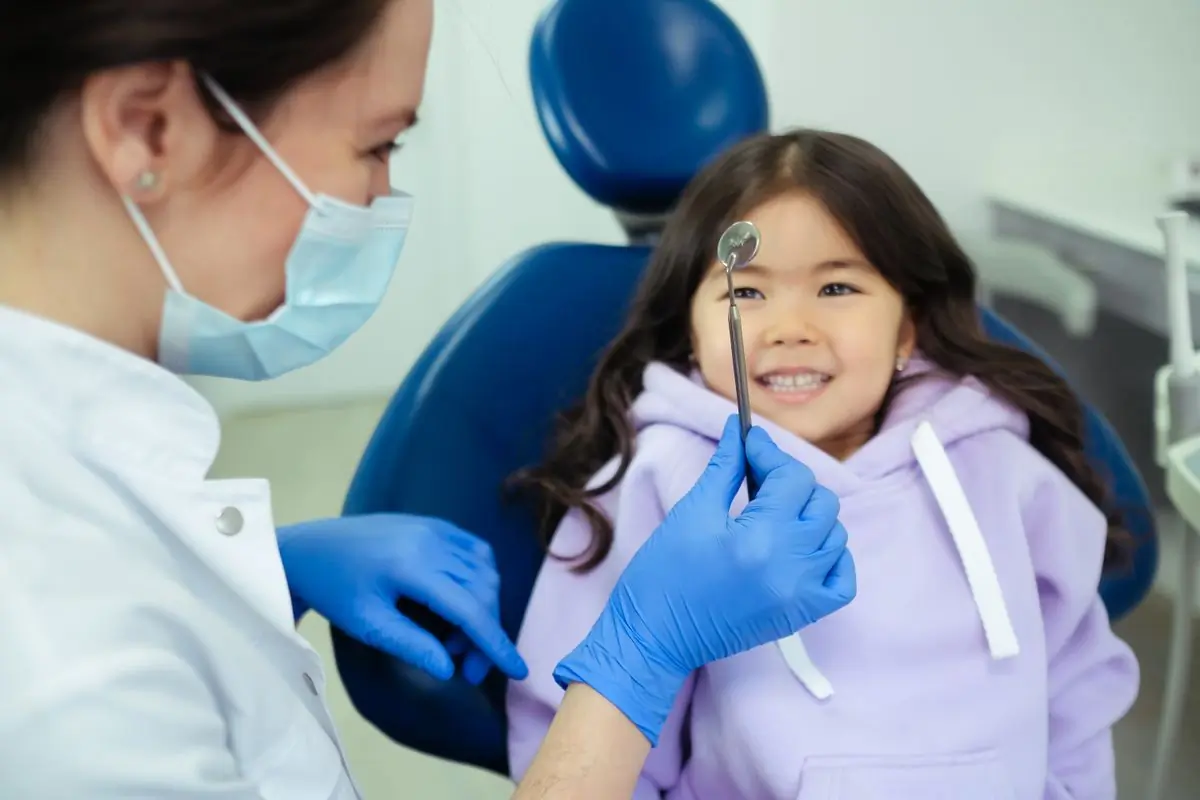
When to bring a child for the first time
At one year old, or when the first tooth arrives — whichever is sooner. Not because there will be anything to treat, but because a child who has been in the chair five times before anything happens is a child who is not afraid of it.
Read the note
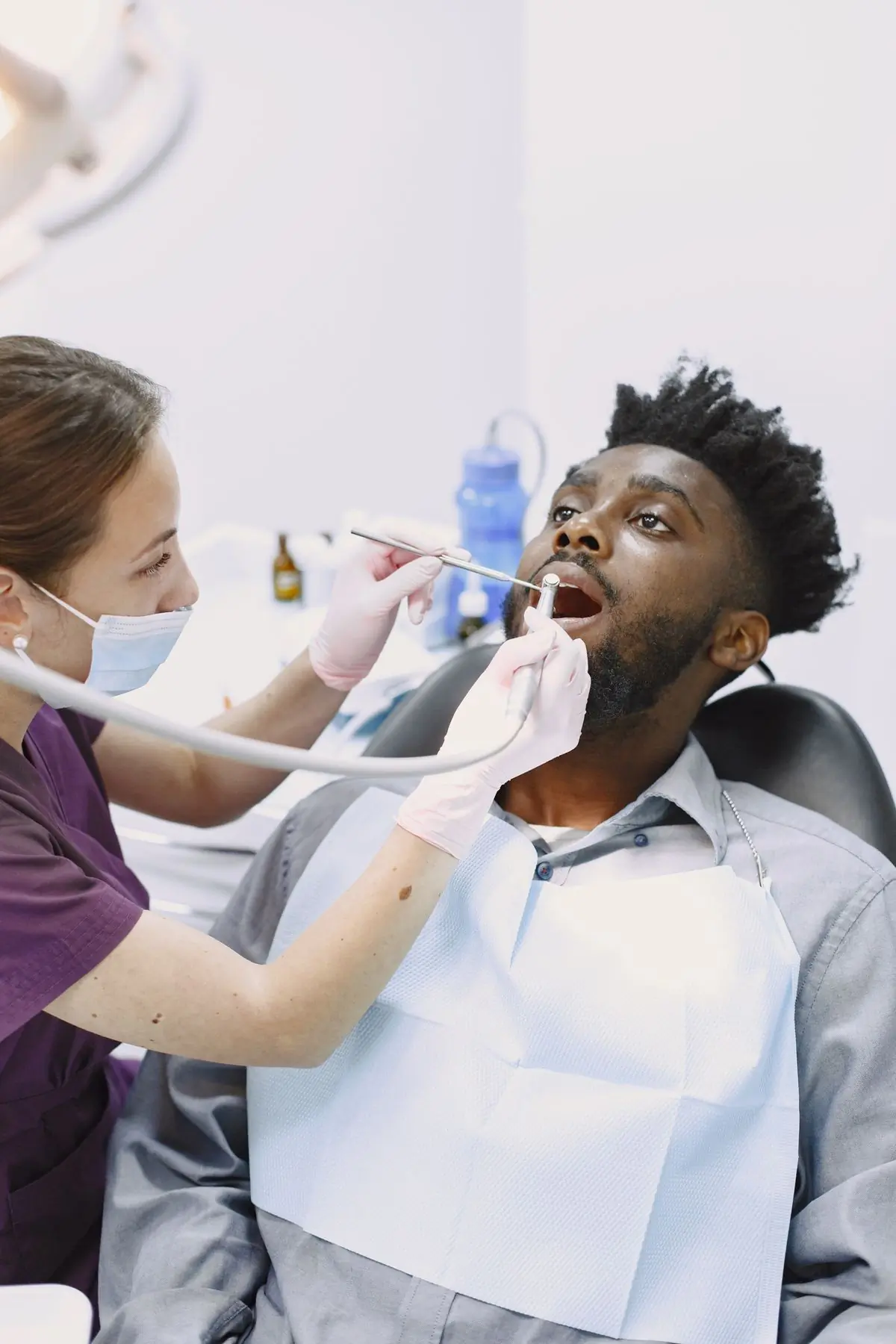
A knocked-out tooth: the first ten minutes
Hold it by the crown, never the root. Rinse it in milk if it is dirty — not water, and never scrub it. Put it back in the socket if you can, or keep it in milk, and call us. Ten minutes decides whether it survives.
Read the note
Sensitive teeth are telling you something
A twinge on something cold that passes in seconds is usually exposed dentine and is treatable in one visit. Pain that lingers for minutes, or wakes you at night, is a different problem and does not wait. This is how to tell them apart.
Read the note
Your smile starts here
Same-day emergency slots every day we open, and a first appointment that costs GHS 150 whatever we find.