About Suede
Our story
An architect who could not buy the bag she wanted, and eleven people upstairs who make it now.
Osu, since 2016
Suede began because Naa Adjeley Tetteh could not buy the bag she wanted.
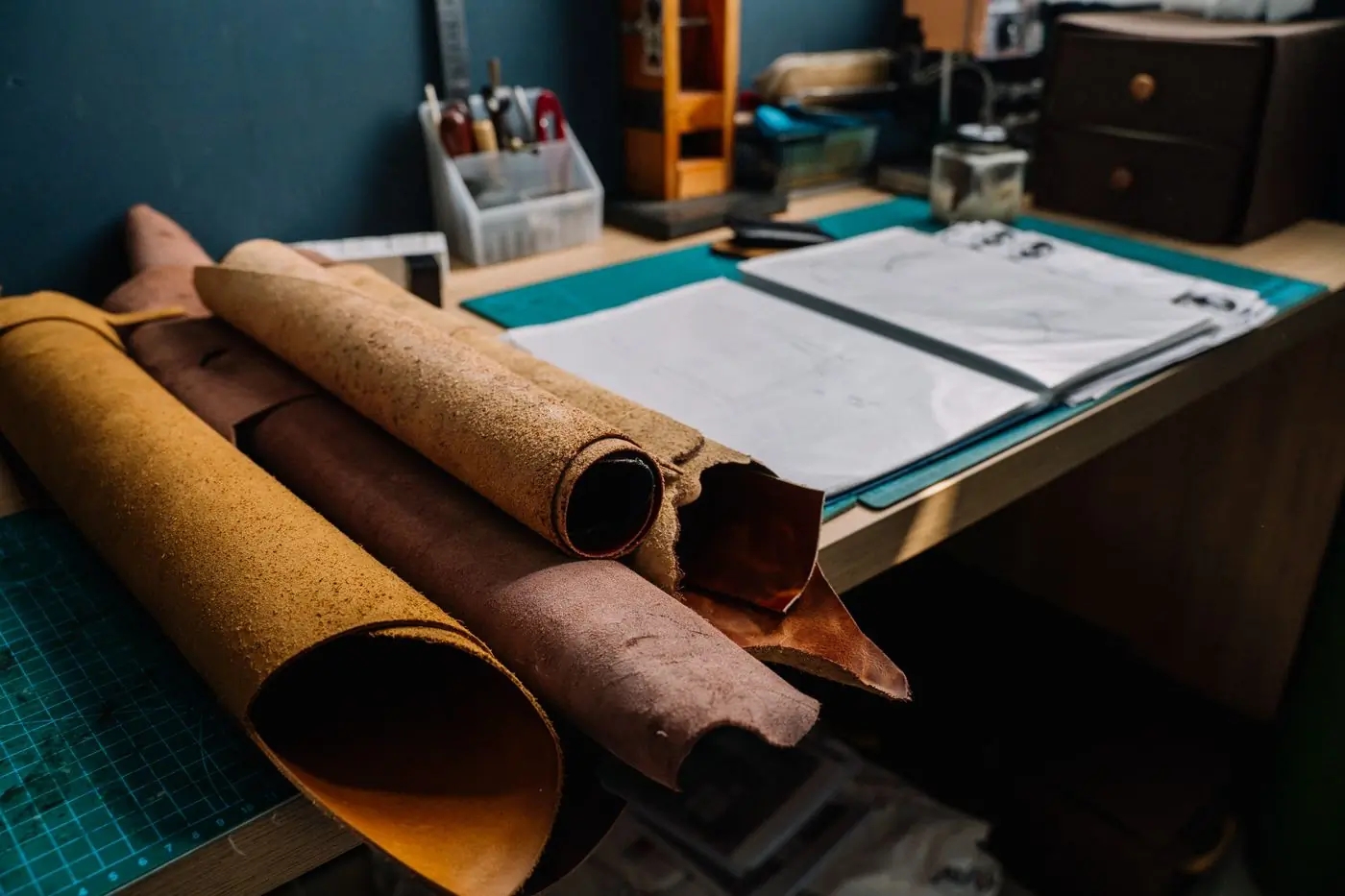
She trained as an architect and drew buildings for a living before she took two rooms on Ninth Lane in 2016, with one machine, a cutting table and a stack of hides she had chosen herself.
The first bags were for her. The next were for the people who stopped her to ask where hers had come from, and by the end of that year there were more of those than there were hours to cut them in.
Ten years on, the workshop is the floor above the shop and eleven people work in it. Every bag, belt, coat and dress that carries our name is cut, sewn and finished up there, and nothing is made anywhere else.
Materials
What we make, and what it is made of
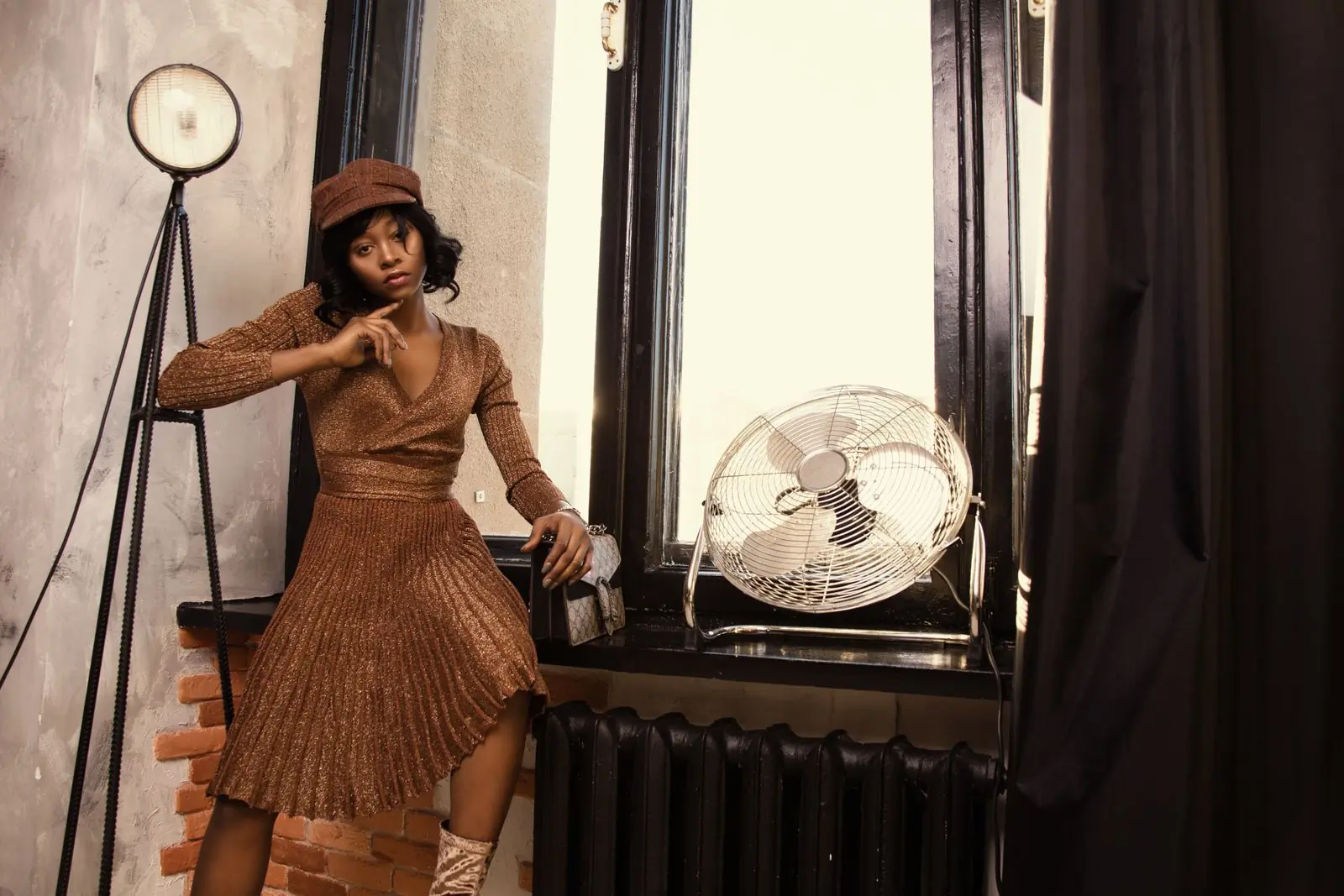
Coats, knitwear, tailoring and dresses. Bags, belts and the small leather goods, cut upstairs.
Leather
Full grain, tanned with bark
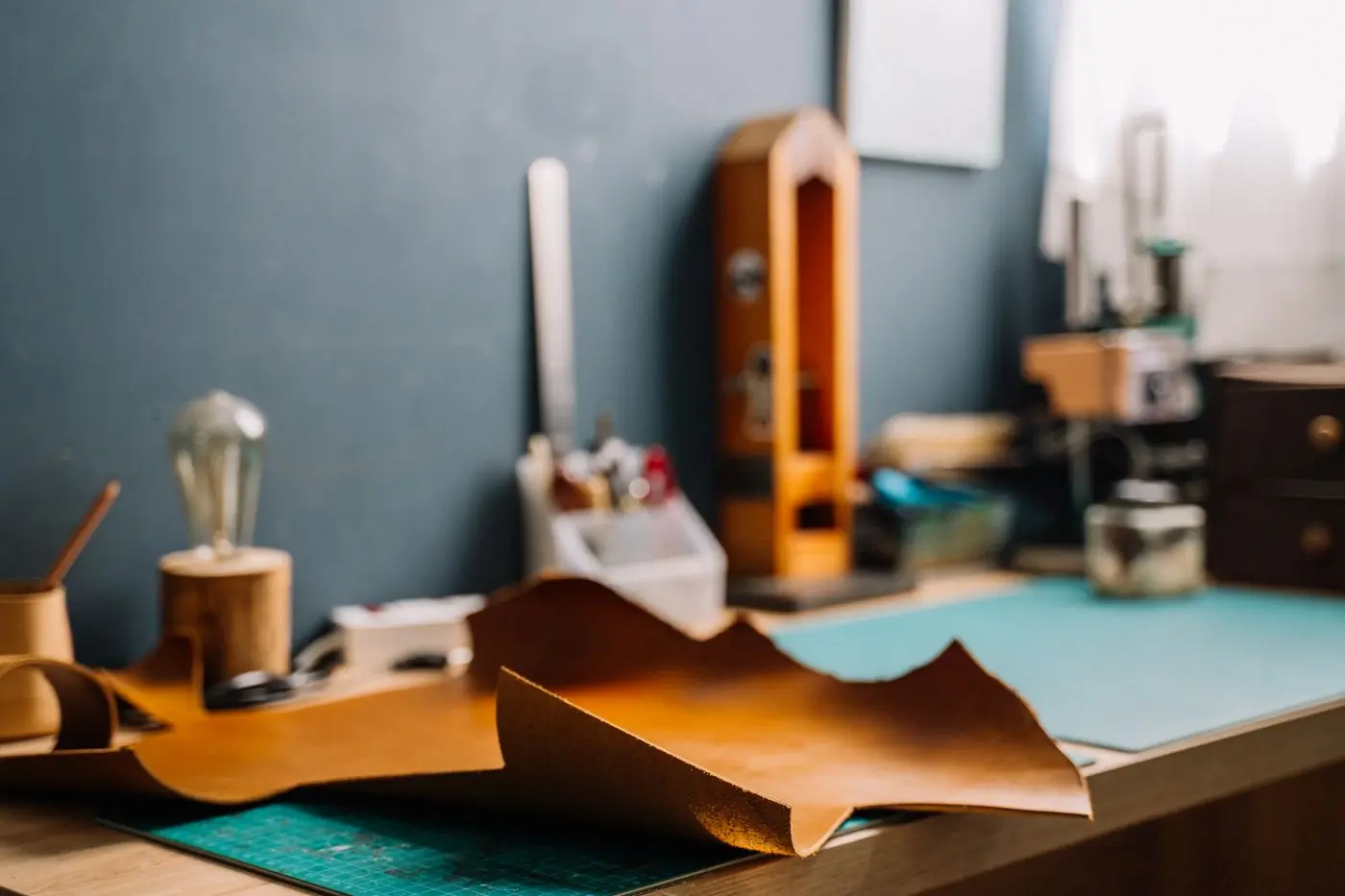
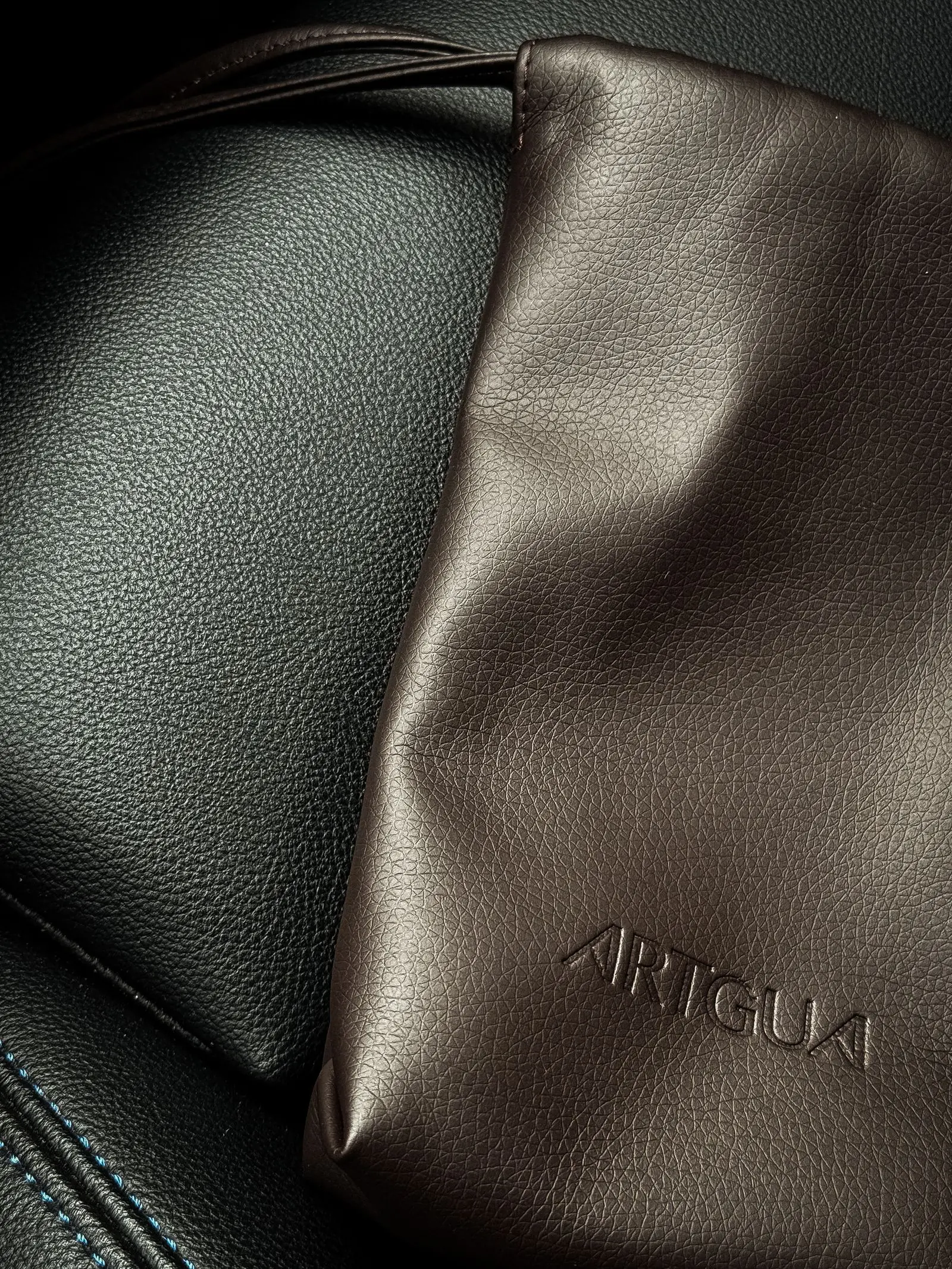
Every hide comes from one tannery in Kumasi and is tanned with bark rather than chrome. Nothing is corrected, sprayed or embossed, so the grain you can see is the animal's own, and a bag two years old looks used rather than tired. We buy by the skin and cut so the grain runs the way the piece will wear.
Cloth
Wool at 420 grams
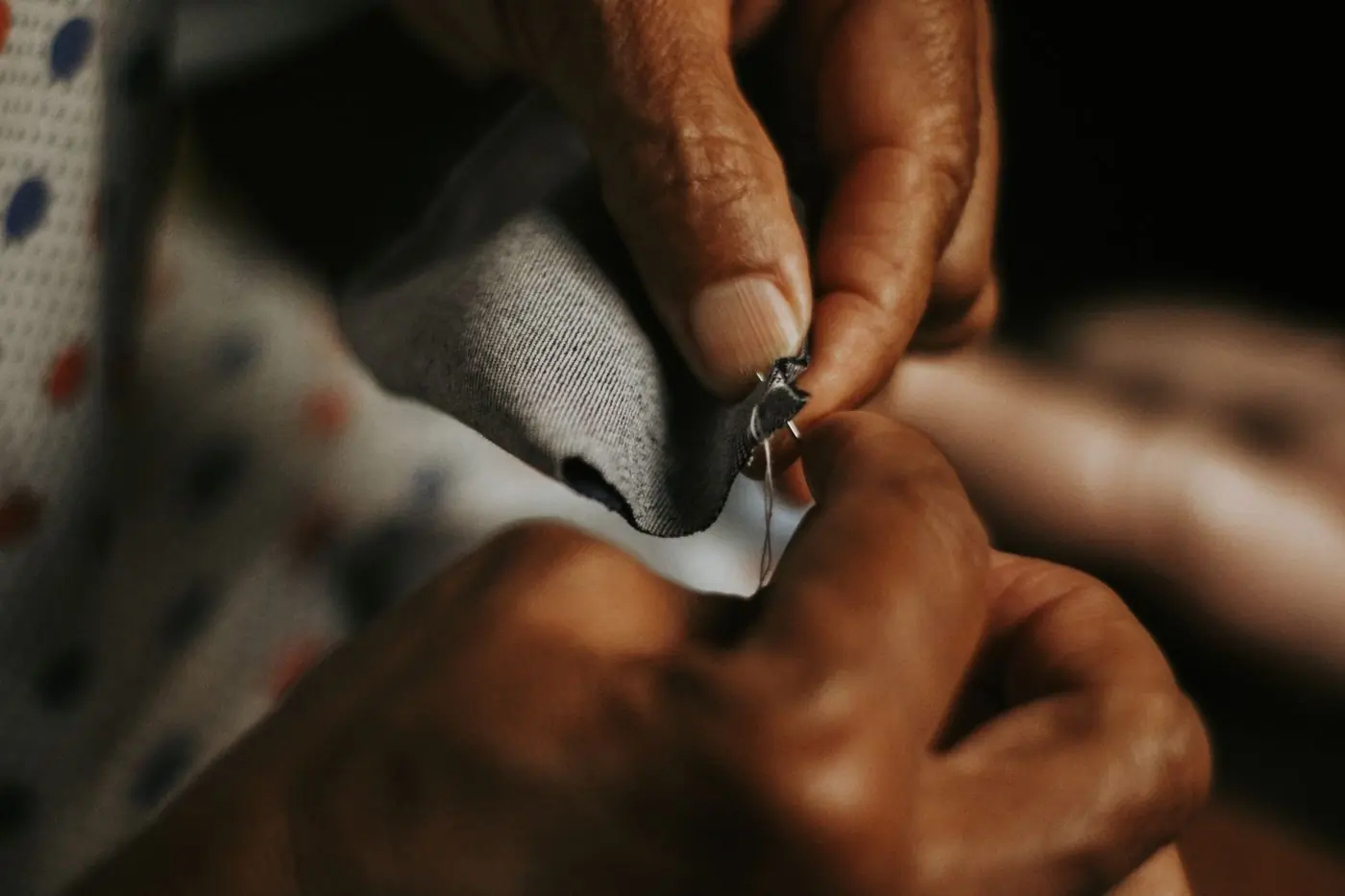
The Aburi Coat is cut from a 420gsm wool, heavy enough to hold a shoulder line and worth carrying onto an aeroplane. The knitwear is lambswool and does not pill by March. The Airport Shirt is washed silk, and the Ridge Trouser is cut to sit rather than to hang.
The workshop
The people who make it
Eleven people work above the shop. These five decide what gets cut, what gets sewn, and who calls you back.

Naa Adjeley Tetteh
Founder
Trained as an architect. Started cutting bags because she could not buy one she liked, and still draws every new piece full size before it is cut.

Kofi Mensah-Bonsu
Head of the workshop
Twenty two years a leatherworker, and came to Suede from a saddlery in Kumasi. Cuts every Elmina Weekender himself.

Ama Serwaa Boateng
Head of tailoring
Cuts every pattern upstairs and takes the measurements for made to measure. Four to six weeks, and she will tell you if it should be five.

Selorm Agbeko
Store manager, Osu
Opens the shop at ten, and knows what came down the stairs from the workshop this week and what is still on the bench.
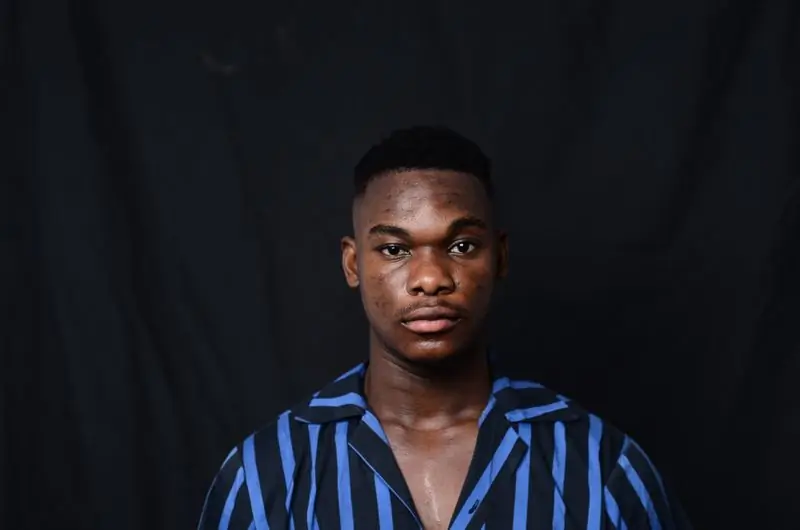
Yaw Owusu-Ansah
Client care and repairs
Answers the phone and the WhatsApp, and books in every piece that comes back through the door. Repairs are free for two years.
Ten years
Where things stand
Four numbers we are asked for often enough to put on a page.
The year we started
People in the workshop
Hours in a Labadi Tote
Countries we have shipped to
Come and see it made
The workshop runs above the shop from Monday to Saturday. On a Saturday morning, by appointment, you can come up and watch a bag being cut.
Delivery
Accra and Tema by tomorrow
Two to four working days everywhere else in Ghana, five to eight across West Africa and seven to twelve beyond it. Free in Accra and Tema over GHS 800.
Returns
Twenty-one days to change your mind
Unworn, in the box it came in, and we pay nothing towards the post. Made-to-measure and monogrammed pieces stay yours.
Repairs
Two years of mending, at no cost
On anything made in the workshop. After the second year we charge what the materials and the hours cost, and tell you the figure first.