Leather goods
The bag we make most of
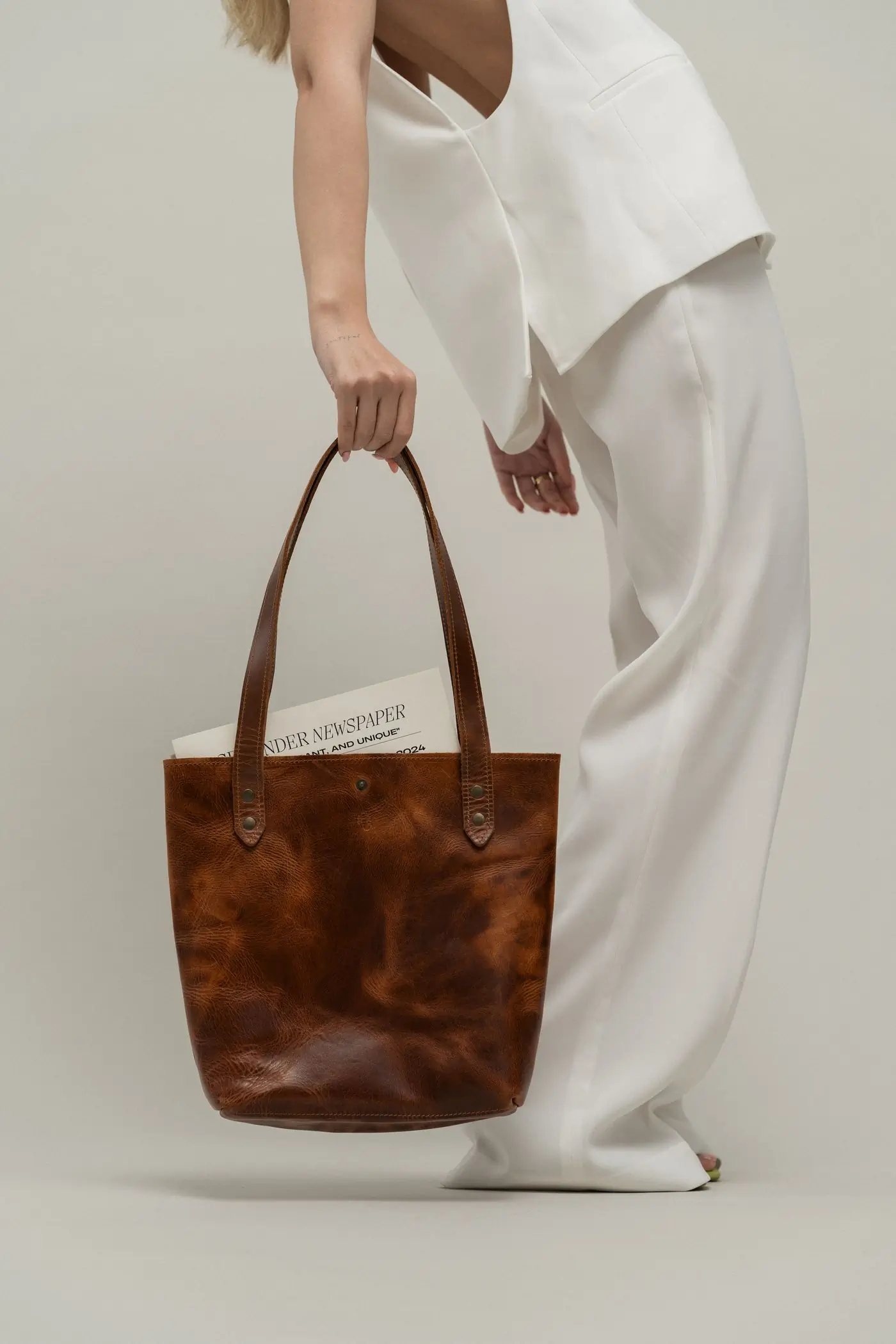
Full-grain, unlined, and cut from one hide in a morning. Everything below is the same tote: what is in it, what it measures, and how it reaches you.
Leather goods
The Labadi Tote
GHS 2,450
Full-grain and unlined, so it takes the shape of whatever you carry in it and keeps it. Eleven hours at one bench, and two years of repairs on the house.
Quantity
Add sends one. Quantities change in the bag.
Leather
Tobacco
Black
Sand
Cognac
Tobacco is on the shelf. The other three are cut to order in four to six weeks — ring 030 274 1180 and Yaw will start one.
Materials
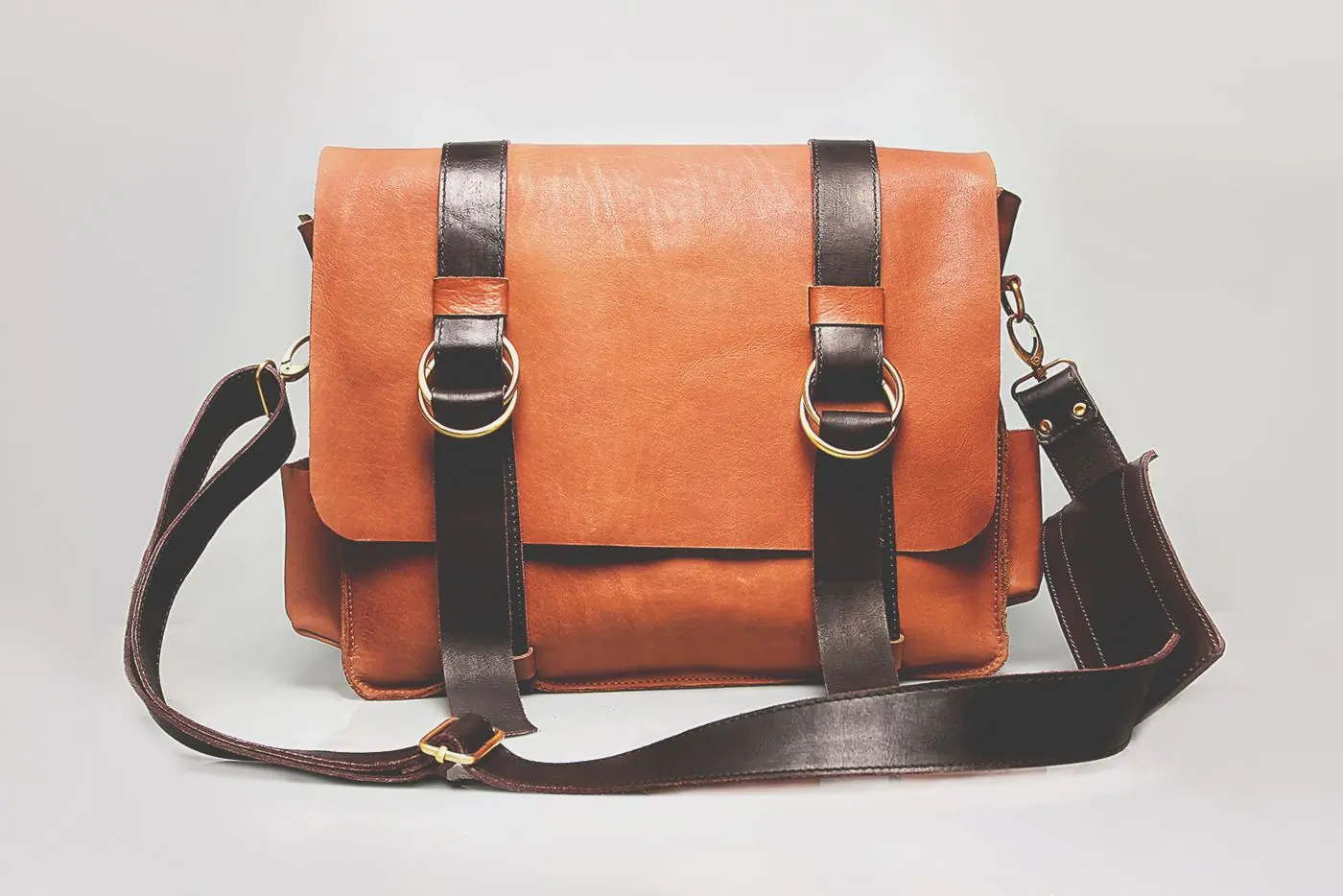
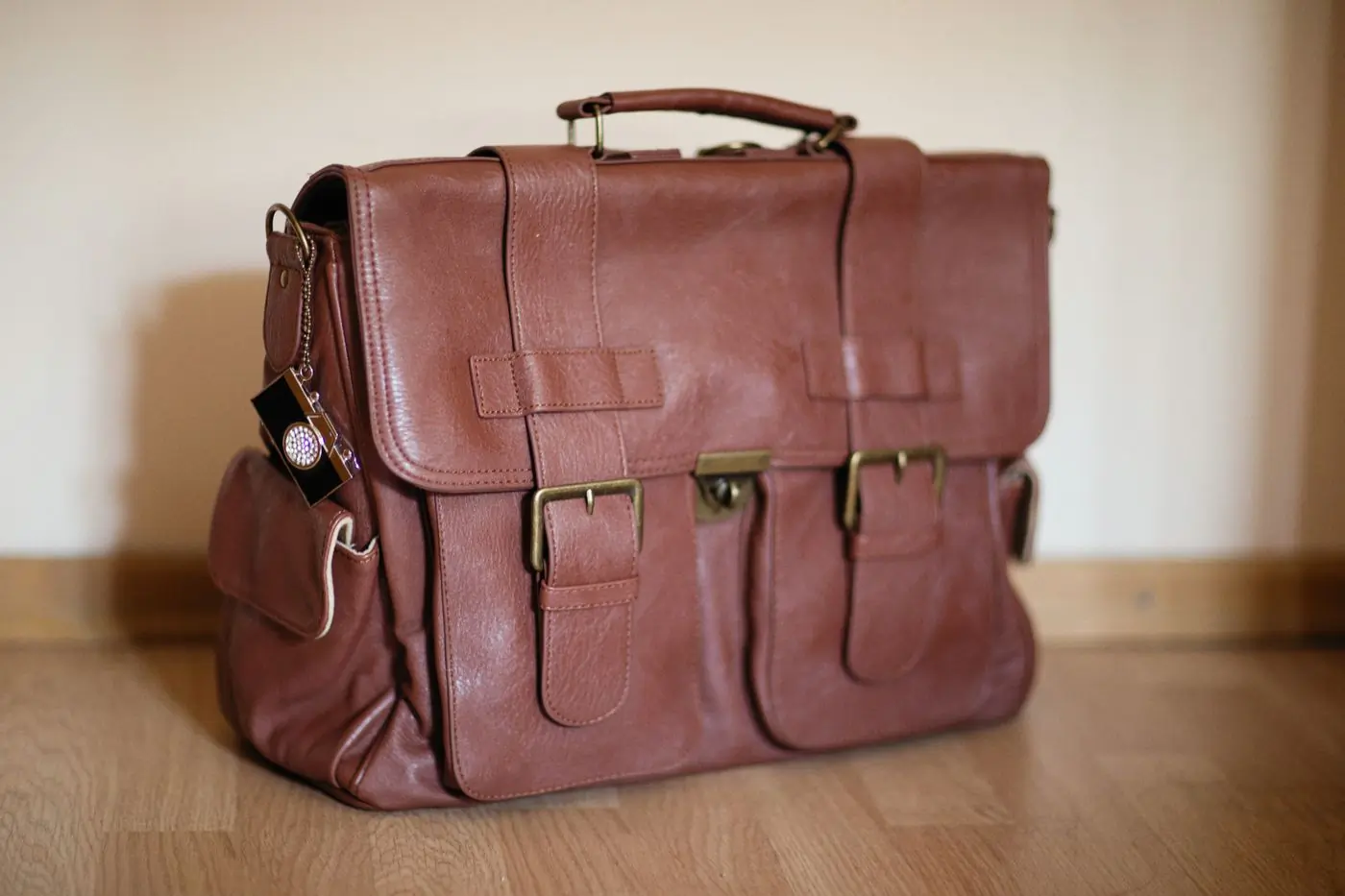
Full-grain hide, vegetable-tanned at a tannery in Kumasi and cut from the shoulder. Unlined, so the leather you see inside is the leather you see outside. Solid brass hardware, and waxed linen thread stitched by hand everywhere the bag takes weight.
Measurements
38cm across the top, 30cm tall and 14cm deep. The handles drop 24cm, which clears a shoulder over a coat. It weighs 780 grams empty, and it holds a laptop, a folder and a pair of shoes without going out of shape.
Delivery and returns
Free delivery in Accra and Tema on orders over GHS 800. Accra and Tema arrive the next working day, the rest of Ghana in two to four. West Africa is five to eight working days and the rest of the world seven to twelve. Returns within 21 days, unworn, in the original box.
Care
Dry air is harder on a bag than rain is. Keep it out of the sun, wipe it with a dry cloth, and feed it with a colourless cream twice a year, once before Harmattan and once after. Anything made in the workshop is repaired free for the first two years.
How it is made
Eleven hours, at one bench
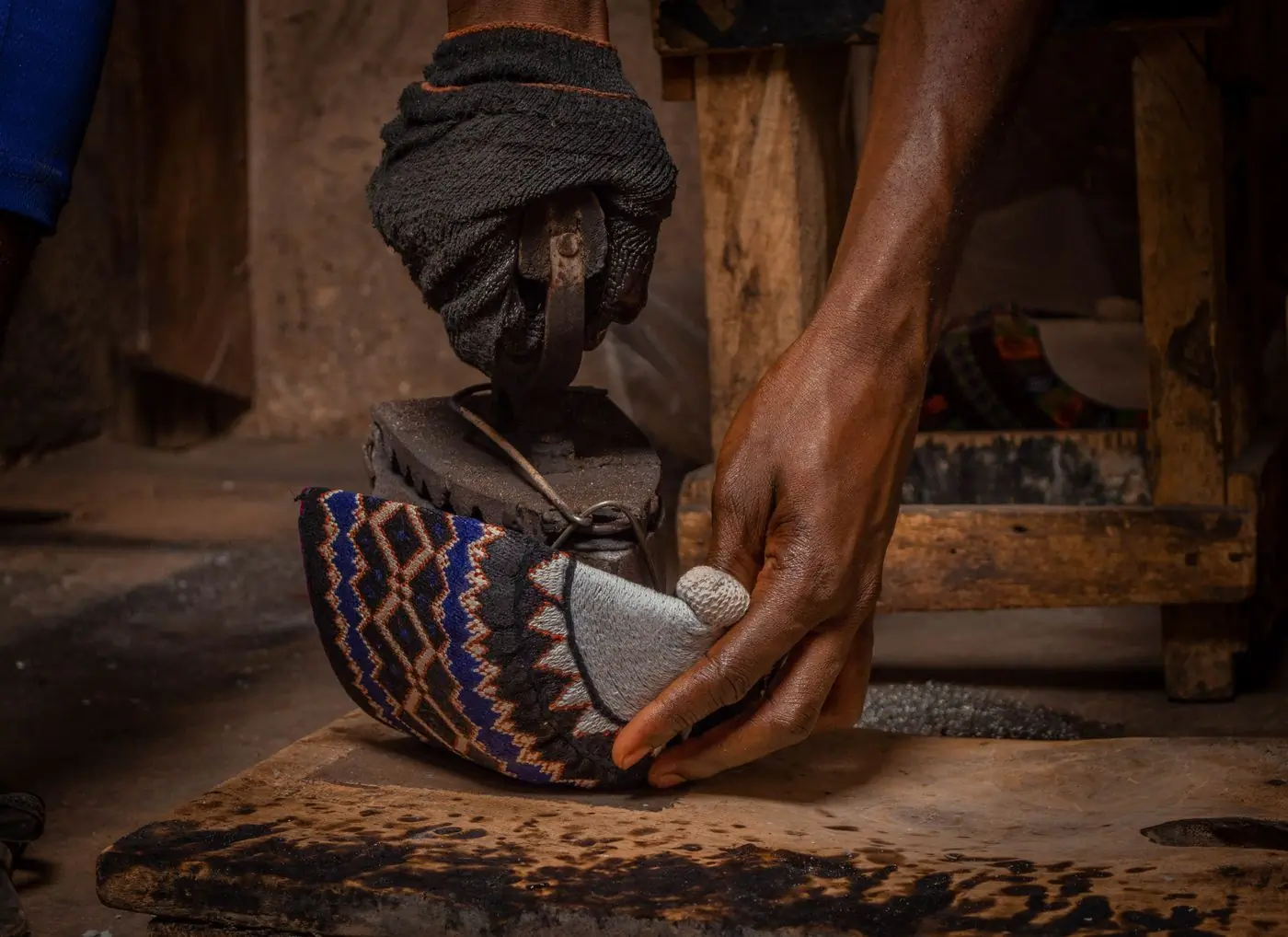
One person carries a tote the whole way through rather than passing it down a line, which is why the workshop makes four a week and not forty.
Hours one to three
Cutting
One hide on the table, the panels chalked around the marks the animal made, and the tote cut so that none of them land where a hand goes.
Hours four to six
Skiving and edges
Every edge pared thin where it folds, then sanded, dyed and burnished four times. It is the slowest part and the first thing to go wrong on a cheap bag.
Hours seven to ten
Stitching
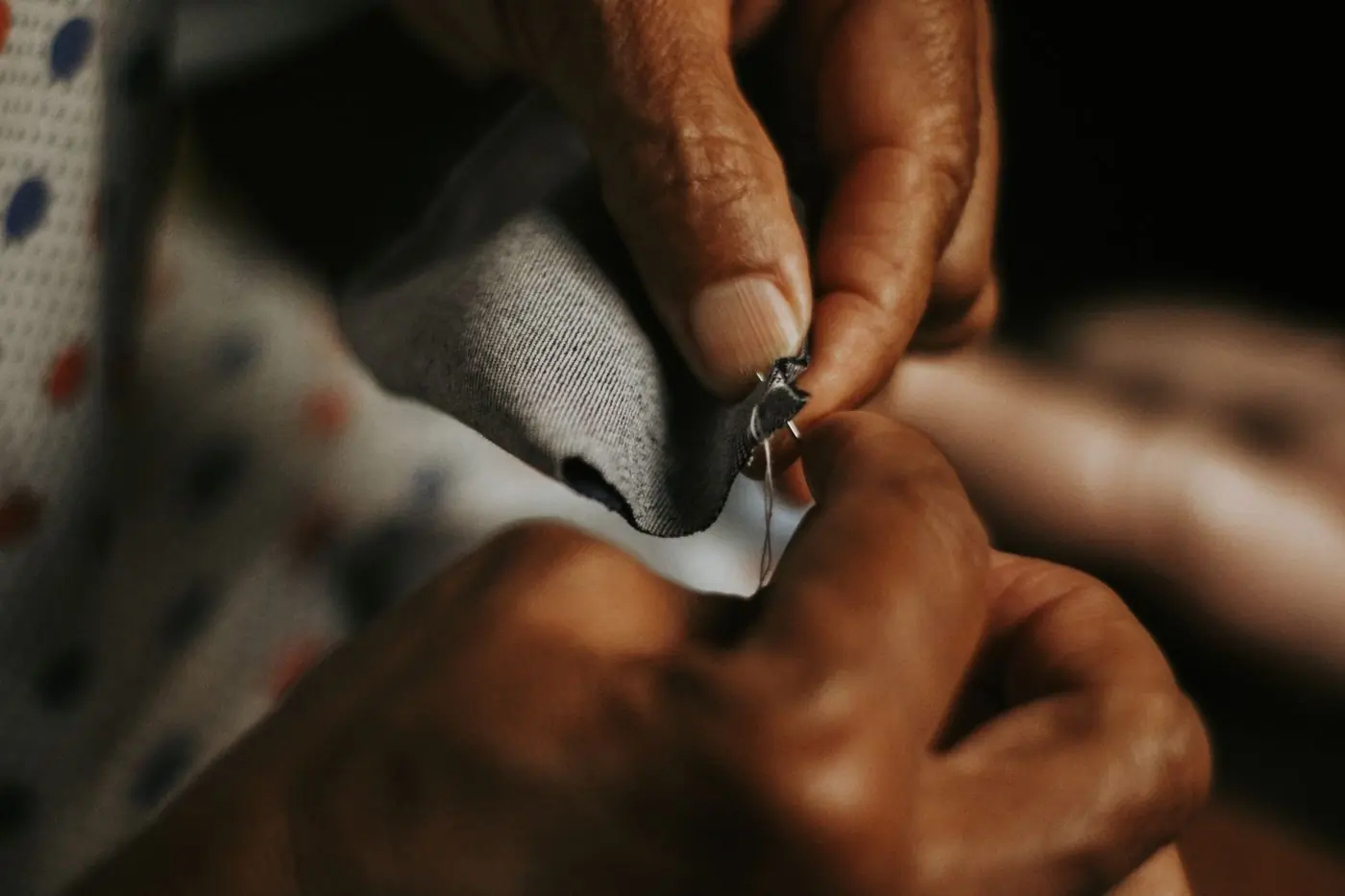
Saddle-stitched by hand with waxed linen, two needles and one thread. If a stitch breaks the row beside it holds, which is why a machine is not used here.
Hour eleven
Finishing
Hardware set, interior stamped with the year, and the whole bag checked by Kofi before it is wrapped and boxed for the shop downstairs.
Cut in the same room
The rest of the leather
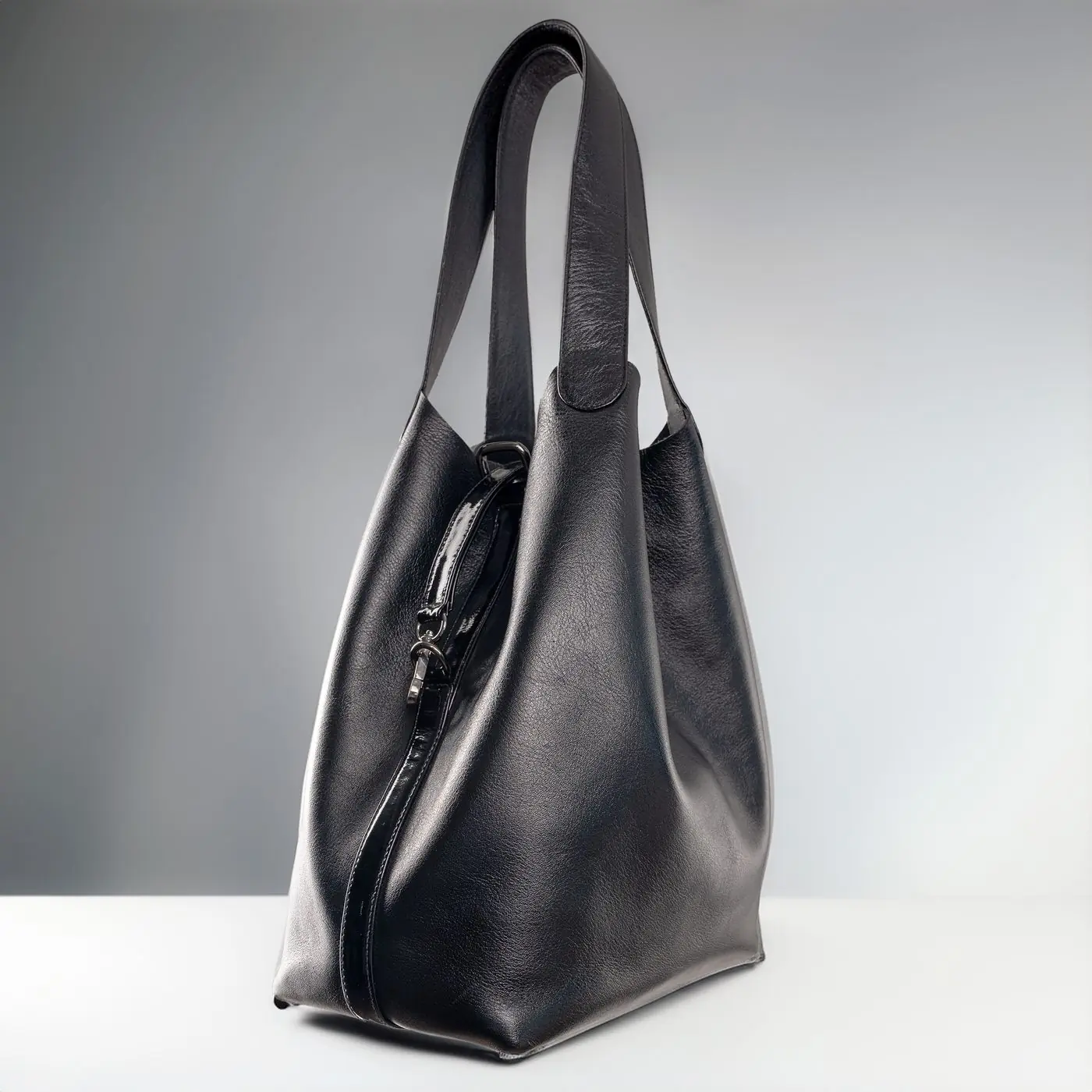
Four more pieces off the same hides, in the sizes we have on the shelf today.
Delivery
Accra and Tema by tomorrow
Two to four working days everywhere else in Ghana, five to eight across West Africa and seven to twelve beyond it. Free in Accra and Tema over GHS 800.
Returns
Twenty-one days to change your mind
Unworn, in the box it came in, and we pay nothing towards the post. Made-to-measure and monogrammed pieces stay yours.
Repairs
Two years of mending, at no cost
On anything made in the workshop. After the second year we charge what the materials and the hours cost, and tell you the figure first.